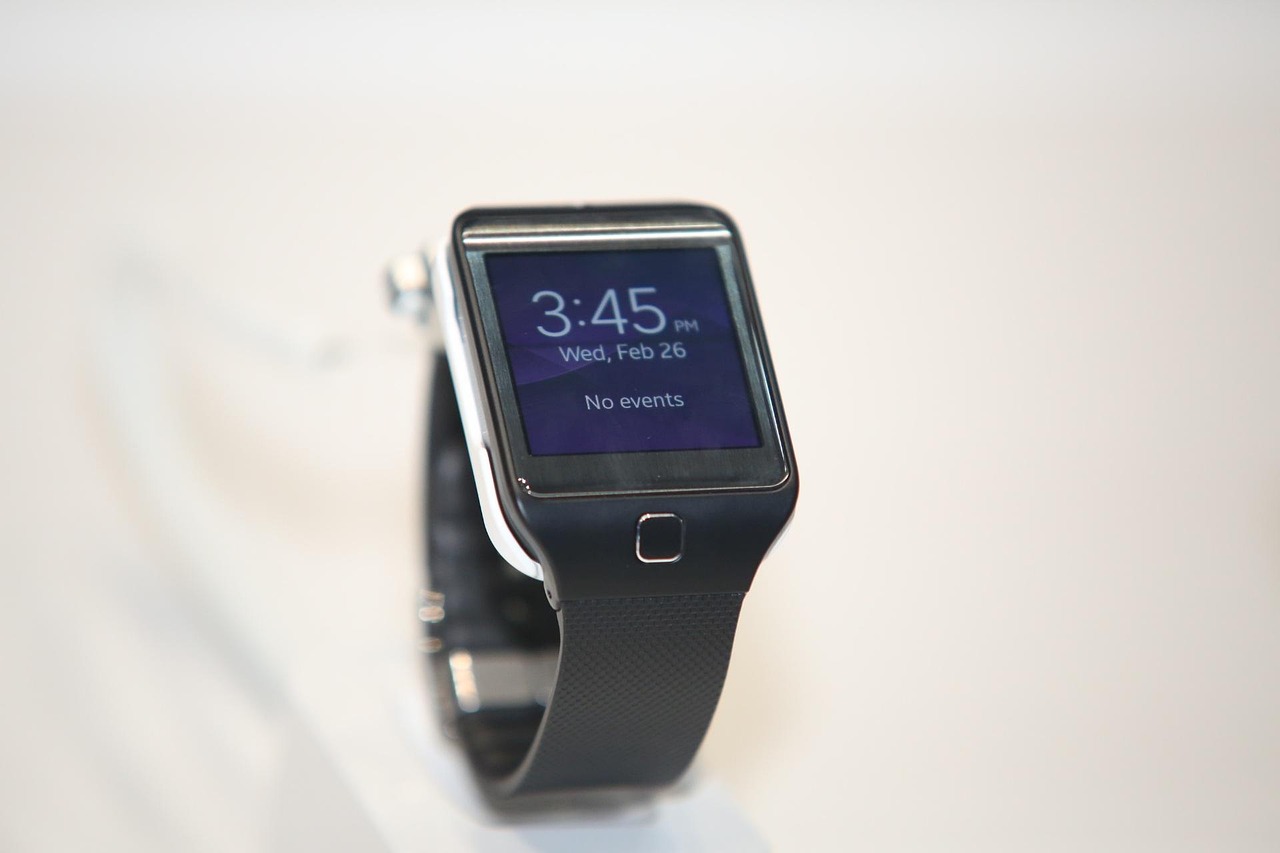

The Role of Wearable Devices in Enhancing Adaptive Fitness Programs
Wearable devices are becoming increasingly important in the field of adaptive fitness, particularly for individuals with disabilities. These innovative tools offer various features that enable more effective and personalized fitness programs. With the implementation of wearable technology, individuals can monitor vital statistics in real-time, such as heart rate, calories burned, and physical activity levels. This real-time data is essential as it provides valuable feedback to both the user and their trainers, allowing adjustments to be made quickly. By using these devices, individuals can engage in adaptive fitness activities tailored to their specific needs and capabilities. Furthermore, the integration of fitness apps with wearables enhances user experience by providing customized workout suggestions. Overall, the combination of wearable devices and adaptive fitness opens up new avenues for improving health outcomes and increasing participation rates among individuals with disabilities.
One significant advantage of wearable devices is their ability to track progress over time. These devices often come with advanced analytics, allowing users to set realistic goals and monitor their achievements. By visualizing their progress through graphs and statistics, individuals can stay motivated and hold themselves accountable. This feature is particularly useful in adaptive fitness programs, where maintaining motivation can be challenging. Additionally, some wearables incorporate social sharing capabilities, enabling users to connect with friends and support networks. Engaging with like-minded individuals can foster a sense of community and belonging, which is crucial for sustained participation in fitness programs. In conclusion, wearable technology not only enhances the efficacy of adaptive fitness programs but also encourages social interaction, fostering a more inclusive fitness environment.
Customization and Personalization
Customizability is another key aspect of wearable devices that significantly enhances adaptive fitness programs. Many wearable devices allow users to alter settings based on their personal preferences and fitness levels. For instance, heart rate zones can be modified to suit individual fitness plans, ensuring safety and maximizing effectiveness. Furthermore, wearables can be programmed to offer reminders for hydration, exercise breaks, or even medication schedules. These features help streamline the fitness experience, particularly for users with cognitive or physical challenges. Utilizing personalized settings ensures that each user receives the feedback they need to stay engaged in their workout plans. Adaptive fitness programs that leverage these capabilities can lead to better compliance and improved health outcomes. Therefore, the customization options available in wearable devices play a crucial role in making fitness more accessible and enjoyable for everyone, regardless of their abilities.
Wearable technology has also begun to integrate advanced features like AI and machine learning, making them even more effective in adaptive fitness settings. These technologies analyze user data to recommend targeted exercises tailored to individual capabilities, thus providing a highly personalized experience. AI algorithms can adapt workouts based on how users respond to various activities, ensuring optimal performance and safety. Additionally, some devices offer voice guidance and real-time coaching, which is particularly beneficial for users who may need additional assistance during workouts. By incorporating AI-driven insights, adaptive fitness practitioners can elevate their programs to empower users. This approach demonstrates the potential of wearables not just as tools for tracking activity but as active partners in adaptive fitness journeys. As this technology continues to evolve, we can expect even more innovative features that will further enhance the quality of adaptive fitness programs.
Enhancing Rehabilitation Efforts
Wearable devices are particularly effective in rehabilitation efforts for individuals recovering from injuries or surgeries. They can monitor specific metrics that indicate recovery progress, such as joint range of motion or muscle engagement levels. These metrics are crucial for healthcare providers who need in-depth insights into their patients’ recovery trajectories. By providing this information, healthcare professionals can make informed decisions regarding rehabilitation protocols. Moreover, wearables can remind users to adhere to their rehab exercises, ensuring that patients do not skip necessary activities crucial for their healing process. As a result, the level of accountability increases, and users feel more engaged in their own recovery. Consequently, the collaboration between healthcare and wearable technology leads to enhanced rehabilitation outcomes and improved quality of life for individuals post-injury.
Moreover, the use of wearables allows for continuous feedback in real time, which is essential for adaptive fitness programs. Immediate feedback helps users recognize their achievements and areas needing improvement. Wearable devices can communicate with arm bands, smart shoes, or fitness trackers to gauge physical exertion levels accurately. This dynamic interaction offers participants personalized guidance that enhances their exercises. The possibility of developing customized plans based on current fitness levels and goals contributes significantly to user satisfaction and long-term commitment to fitness routines. This ensures that adaptive fitness programs remain engaging and relevant, addressing the individual needs of users. With the potential for ongoing personalization, wearables transform fitness from a generic approach to a more tailored solution that can profoundly impact each user’s health and wellbeing.
Future Implications of Wearable Technology
Looking ahead, the implications of wearable technology in adaptive fitness are promising and transformative. As technology continues to advance, we can expect even more integration of features that cater specifically to individuals with disabilities. Future developments may include better biometric sensors and health monitoring capabilities that can give real-time updates on physical and emotional states. This information could be vital for adjusting workouts and overall fitness plans accordingly. Additionally, virtual reality integration may emerge, offering immersive workout experiences tailored to different abilities. Such innovations will not only facilitate inclusivity but also enhance the motivation and enjoyment participants derive from engaging in adaptive fitness programs. By leveraging advancements in wearable technology, we can create a more inclusive fitness landscape for everyone.
In conclusion, the role of wearable devices in adaptive fitness programs is invaluable. Their unique features, which incorporate tracking, customization, and real-time feedback, empower users to take charge of their fitness journeys. The convergence of technology and fitness holds the potential to redefine how individuals with disabilities engage in physical activities. As we continue to explore the innovations available in adaptive fitness, it is essential to encourage the adoption of wearable technology as a central component. By fostering a community that embraces inclusivity and support, we can provide individuals with the tools and motivation needed to lead healthier lives. In the future, the synergy between wearable devices and adaptive fitness initiatives will continue to evolve, ensuring that physical fitness is accessible to all individuals, regardless of their challenges.