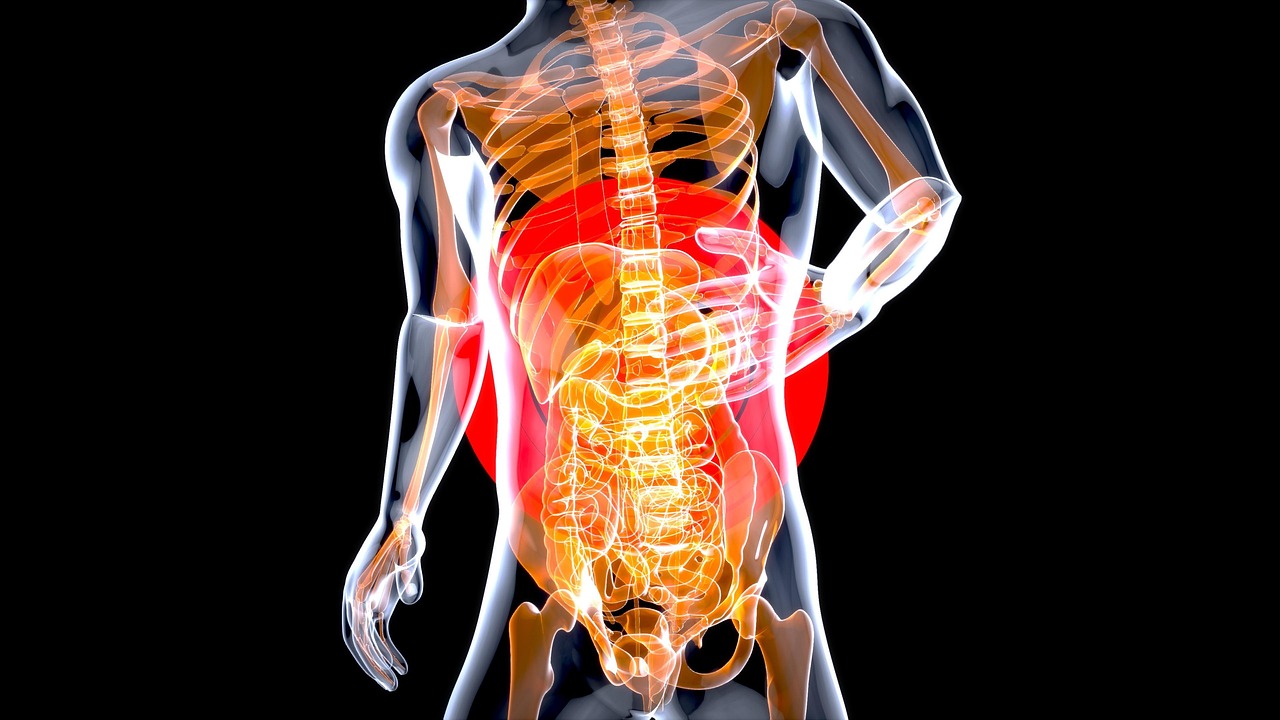

Hormonal Effects on Appetite and Digestion
The interplay between hormones and digestive health is complex and impactful. Hormones such as ghrelin and leptin play critical roles in regulating appetite and metabolism. Ghrelin, often known as the hunger hormone, stimulates appetite and signals the brain to initiate food intake. Conversely, leptin, released from fat cells, communicates satiety to the brain, indicating that enough food has been consumed. These hormones work in concert to maintain energy balance and body weight. Disruptions in their levels can lead to overeating, obesity, and related health issues. Cortisol, the stress hormone, can also influence digestive processes. Elevated cortisol can lead to changes in appetite, often resulting in cravings for high-calorie foods. Moreover, hormonal fluctuations, particularly during the menstrual cycle, can affect cravings and food preferences in women. Thus, understanding the role hormones play in hunger and digestion is essential for managing dietary habits and health outcomes effectively. Maintaining hormonal balance through proper nutrition and stress management techniques can significantly enhance digestive health while helping to regulate appetite and food intake.
Additionally, it’s important to recognize that fluctuations in hormones can significantly affect digestion itself. For example, estrogen can influence the rate of gastric emptying, which affects how quickly food passes through the digestive tract. A woman’s hormonal cycle may lead to changes in bowel habits, making it vital to observe these patterns for better digestive health management. Imbalances in hormones such as insulin can lead to insulin resistance, affecting how the body processes glucose and can contribute to digestive problems. Furthermore, hormone-related digestive issues such as bloating, constipation, and diarrhea can occur due to fluctuations in hormones. It’s essential to identify the underlying hormonal causes of digestive discomfort. Integration of whole food diets, regular exercise, and stress-reduction strategies can support hormonal health. In this regard, dietary fibers and probiotics play a pivotal role in maintaining a balanced gut microbiome, which works closely with hormones to regulate digestion. By enhancing hormonal balance through lifestyle choices, one can also support optimal digestive function, improving overall well-being and quality of life.
Impact of Stress Hormones
Chronic stress leads to the continuous release of cortisol, establishing a physiological state that impacts both appetite and digestion. Elevated cortisol levels are commonly associated with increased appetite, especially for high-sugar and high-fat foods. This can lead to unhealthy eating patterns and weight gain. Moreover, excess cortisol can disrupt digestive processes, impairing nutrient absorption. It potentially leads to gastrointestinal disorders such as irritable bowel syndrome (IBS), characterized by symptoms like bloating and abdominal pain. Additionally, chronic stress may inadvertently contribute to the development of eating disorders or unhealthy relationships with food. By learning stress management techniques such as meditation, yoga, or mindfulness, individuals can effectively lower cortisol levels. This not only helps in appetite regulation but also supports digestive health. Establishing a balanced lifestyle that incorporates physical activity, proper sleep, and mindful eating habits can aid in achieving this balance. In turn, these practices bolster one’s overall hormonal health and can improve digestive functionality. Individuals must understand the significance of managing stressors to foster a harmonious connection between hormones and digestive health.
Women, in particular, may experience considerable hormonal changes throughout their lives that can impact digestion. Factors such as pregnancy, menopause, and menstruation can lead to varying degrees of hormonal imbalances affecting the digestive system. For instance, during pregnancy, hormonal fluctuations can alter digestion rates and may lead to common issues like morning sickness or constipation. In menopause, the decline in estrogen levels can affect the gut microbiome, potentially leading to increased weight gain and digestive irregularities. Addressing these issues involves a multi-faceted approach. Nutritional strategies, such as increasing fiber intake, hydrating adequately, and considering probiotic supplements, can be beneficial. Additionally, women might consider consulting healthcare professionals about their hormonal health. This approach ensures tailored solutions that address digestive problems while also considering hormonal balance. Cultivating a connection between digestive health and hormonal health is crucial for women of all ages. By using nutrition and lifestyle changes to enforce balance, individuals can mitigate disruptions in digestion caused by hormonal influences.
Nutrition for Hormonal Balance
Nutrition plays a critical role in achieving and sustaining hormonal balance that supports digestive health. Eating a well-rounded diet, rich in whole foods, can provide essential nutrients required for optimal hormone production. Foods that contain healthy fats, such as avocados and nuts, are particularly crucial. These fats support hormonal synthesis and can help regulate appetite. Moreover, incorporating lean proteins ensures adequate amino acid intake, which is necessary for the production of hormones. Additionally, low-glycemic carbohydrates, including vegetables and whole grains, contribute to stable blood sugar levels, in turn stabilizing insulin production. This balance is vital for maintaining appetite regulation and digestive efficiency. Furthermore, specific micronutrients, such as vitamin D, magnesium, and zinc, are significant in maintaining hormonal health. Dietary sources rich in these nutrients should be prioritized. On the other hand, it is essential to minimize processed foods, sugars, and unhealthy fats, as these can disrupt hormonal levels, leading to adverse digestive effects. Awareness and attention to meal planning ensure the best dietary choices that contribute to both hormonal balance and digestive ease.
Incorporating physical activity into daily life provides substantial benefits for hormonal balance and digestive health. Regular exercise is known to elevate hormone levels that foster weight loss, such as endorphins and serotonin. Additionally, physical movement helps maintain a healthy digestive system by promoting motility, which encourages regular bowel movements. Engaging in exercises like yoga and Pilates can further support digestive health by promoting relaxation and reducing stress, effectively lowering cortisol levels that interfere with digestion. Moreover, strength training has been shown to enhance insulin sensitivity, aiding in better blood sugar management. This is crucial, considering the association between insulin and digestive issues. Consequently, physical activity must be seen as an integral component of a holistic approach to managing hormones and digestion. Individuals are encouraged to design an exercise routine that they enjoy to remain consistent. Incorporating both aerobic and anaerobic activities will yield the most comprehensive health benefits. The active lifestyle not only balances hormones but also promotes optimal digestive performance, ultimately contributing to enhanced overall well-being.
Conclusion: The Connection
Understanding the intricate connection between hormones and digestive health is crucial for individuals aiming to achieve wellness. By recognizing how hormonal fluctuations influence appetite and digestion, one can become more attuned to their body’s cues. The information presented throughout this article emphasizes the importance of a holistic approach that incorporates nutrition, exercise, and stress management. Creating awareness of one’s hormonal health and its impact on digestion empowers individuals to take actionable steps toward better health. This involves tracking changes in appetite, stress levels, and digestive function, allowing for timely interventions when necessary. Furthermore, prioritizing lifestyle changes and dietary choices that promote hormonal balance enhances digestive health. By integrating habits that nurture both aspects of health, individuals can achieve effective, long-lasting results. Ultimately, focusing on the relationship between hormones and digestion not only helps avoid unwanted health pitfalls but also supports overall vitality. Therefore, fostering a dialogue between these two critical dimensions is essential for anyone looking to improve their health status and enjoy a better quality of life.
In conclusion, understanding the interplay of hormonal influences on digestion and appetite can transform personal health approaches. By fostering awareness of one’s hormonal status and making conscious choices regarding lifestyle and diet, individuals can positively influence their hormonal balance. Recognizing that stress, nutrition, and exercise intersect with hormonal function offers a comprehensive framework for better digestion. Individuals should remain proactive in identifying biological signals and learning which practices support hormonal health. This holistic approach towards digestion and appetite management is essential for achieving overall wellness, and if approached diligently, can lead to significant improvements in quality of life. Thus, incorporating knowledge about the roles of key hormones enables one to tailor daily routines and dietary patterns favorably. Practicing consistent stress management and engaging in regular physical activity enhances hormone regulation. As the research in this field continues to unfold, further insights may enlighten individuals about additional strategies to maintain hormonal health. Continuous learning and adaptation will empower everyone to create nurturing environments for optimal health while easing the digestion process.