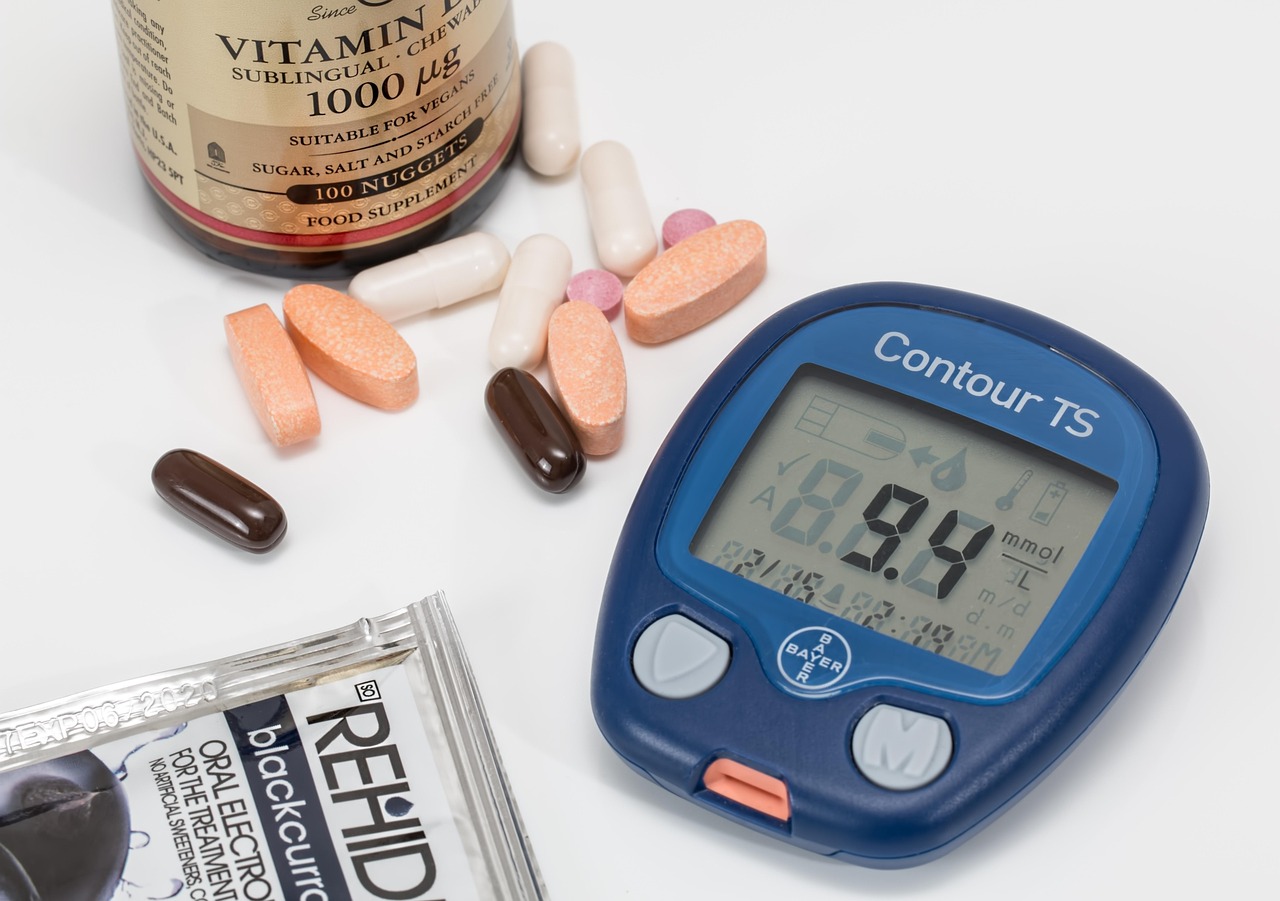

Supplements for Eye Health in People with Diabetes
Diabetes can significantly impact eye health, increasing the risk of conditions like diabetic retinopathy and cataracts. Many individuals living with diabetes often seek methods to preserve their eye health, especially those diagnosed with the condition. One effective approach is incorporating specific supplements into their daily regimen. These supplements may aid in stabilizing blood sugar levels, which can reduce the risk of diabetic eye diseases. For instance, vitamins such as Vitamin A have long been associated with maintaining good eyesight. Furthermore, antioxidants like Vitamin C and E may combat oxidative stress, which is higher in diabetics. The addition of Omega-3 fatty acids can also contribute positively to eye health, potentially mitigating inflammation. It’s important for individuals to consult healthcare professionals before starting any new supplement. They can guide appropriate dosages and address any possible interactions with existing medications. Emphasizing eye care and monitoring through regular check-ups is as vital as dietary choices. Understanding the role supplements play can empower diabetics in their fight against eye health deterioration, providing hope for better vision and quality of life.
Research has indicated that supplementation with Lutein and Zeaxanthin could offer protective effects against age-related eye conditions. These carotenoids are known to accumulate in the retina and macula, areas critical for sharp vision. For diabetics, ensuring adequate intake of these nutrients might help reduce the risk of vision loss. Moreover, they have been shown to filter harmful blue light, consequently decreasing the likelihood of photochemical damage in the retina. Including food sources rich in these carotenoids, such as spinach and kale, is also beneficial. However, many find it easier to obtain sufficient quantities through supplements. Bilberry extract is another supplement linked to improved night vision, which may be particularly valuable for diabetics experiencing visual disturbances. Incorporating bilberry into one’s daily routine could help enhance overall eye function. Always consider dietary supplements as additions to, rather than replacements for, a balanced diet. With thoughtful consideration, supplements can significantly aid in maintaining eye health, especially for those managing diabetes.
Impact of Antioxidants on Eye Health
The role of antioxidants in eye health for diabetics cannot be overstated. Oxidative stress results from an imbalance between free radicals and antioxidants in the body, significantly increasing the risk for systemic and chronic conditions. For diabetes patients, managing oxidative stress can be crucial in preserving eyesight. Consuming antioxidants through diet or supplements can provide necessary support. Nutrients like Alpha-lipoic acid work to regenerate other antioxidants, enhancing their effectiveness. Additionally, being rich in Vitamin C, foods like berries embody dual benefits, balancing both taste and health. Scientists continue to study various antioxidants and their impacts on diabetic eye complications. Incorporating supplements such as Coenzyme Q10 may also benefit blood vessel health in the retina. Thus, antioxidants create a protective shield for the eyes, aiding in combating diabetic complications. For individuals with diabetes, exploring different sources of antioxidants, both food and supplemented, can be an essential aspect of a comprehensive eye health strategy. While supplements play an important role, this should always be combined with routine eye care and monitoring.
A common question is whether individuals with diabetes should consider multivitamins. This choice can be valuable, as many diabetics may not meet all dietary requirements solely through food. A well-researched multivitamin can offer essential nutrients vital for maintaining eye health. Ingredients to look for include Vitamin D, which supports overall health and immune function, and B vitamins that aid in energy production and nerve function. These vitamins can indirectly contribute to the health of the eyes by supporting the body’s overall functioning. Multivitamins can thus serve as a safety net, especially for those whose diet may lack diversity. However, it’s essential to choose high-quality products without excessive additives. Consulting with a healthcare provider prior to beginning a new multivitamin is advised. They can provide personalized recommendations and address specific health concerns. Understanding that while a multivitamin is beneficial, it should not substitute healthy dietary habits can empower individuals in maintaining their overall well-being and eye health. Maintaining a daily intake of key nutrients plays a fundamental role in sustaining vision health, particularly for diabetics.
The Importance of Omega-3 Fatty Acids
Among the various supplements available for eye health, Omega-3 fatty acids have gained increased attention. These essential fats are primarily sourced from fish oil, with paradigm-shifting studies suggesting their positive influence on eye health, especially in diabetics. Omega-3s help in reducing inflammation and are beneficial for the retina, potentially aiding in preventing diabetic retinopathy. Regular intake of Omega-3 supplements can support overall visual function and is integral for cellular health within the eye. For individuals unwilling to incorporate fish into their diet, plant-based alternatives such as flaxseed oil can also serve as viable sources of Omega-3s. It is vital, however, to ensure that the chosen supplement is high-quality, Sourced from reputable manufacturers to guarantee purity. Consulting with healthcare professionals is crucial in establishing the appropriate dosages tailored to individual needs. Thus, Omega-3 fatty acids stand out as a potent ally in the fight against diabetes-related eye health issues. A mindful and balanced approach, combining diet and supplementation, helps foster a healthier lifestyle and improved vision for individuals managing diabetes.
Beyond individual nutrients, combining various supplements can amplify their effects. For example, pairing antioxidants with vitamins known to support the eye can create a synergistic effect, enhancing absorption and efficacy. Supplements such as Ginkgo Biloba have demonstrated potential benefits in improving blood circulation, which is essential for delivering necessary nutrients to the eye. Additionally, blends of lutein, zeaxanthin, vitamins C and E, and fatty acids may provide comprehensive support for those at risk. It’s important to maintain an open line of communication with healthcare providers about which products complement individual nutritional needs. The crucial point is that while supplements can contribute to eye health, they should be part of a larger strategy involving a balanced diet and regular check-ups. Staying informed about eye health conditions prevailing among diabetics is crucial for early detection and prevention. Supplementing wisely under professional guidance can yield great benefits. Diabetics should integrate these strategies into their lifestyle to minimize complications. It’s all about fostering a proactive approach to managing health, particularly in relation to eyesight and diabetes.
Regular Eye Exams and Lifestyle Choices
Ultimately, no supplement regimen can replace the importance of maintaining regular eye exams. Diabetics must ensure they undergo comprehensive eye evaluations at least once a year. These exams can detect diabetic retinopathy and other potential vision-related issues early, allowing for timely interventions. Moreover, lifestyle choices such as maintaining a balanced diet, engaging in regular physical activity, and monitoring blood sugar levels are critical. Implementing positive changes can double as both preventative measures and promotional strategies for eye health. Individuals should collaborate with healthcare providers to create personalized plans encompassing dietary, supplement, and lifestyle modifications tailored to their needs. Striking a balance with natural food choices, adequate hydration, and physical activities can lay a robust foundation for health. Integrative approaches empowering diabetics through proper education, nutrition, and conscious lifestyle choices can significantly enhance their quality of life. In summary, the blend of nutrient-rich supplements with proactive healthcare strategies presents an optimistic outlook. Investing in eye health today can lead to profound benefits in eyesight preservation, especially for those living with diabetes.
In conclusion, the discussion about supplements for eye health in people with diabetes highlights the importance of a comprehensive approach to managing health. Diabetic individuals face unique challenges regarding eye care, making it essential to understand the role of specific nutrients. Supplementing with antioxidants, vitamins, and essential fatty acids enables diabetics to combat the risks associated with their condition. Identifying effective supplements, such as those rich in Lutein, Omega-3s, and protective vitamins, can empower them towards better eye health. Furthermore, relying on quality multivitamins can effectively fill nutritional gaps, while ensuring proper diet and hydration provides long-term health benefits. The integration of regular eye exams underscores the necessity of early detection and intervention for eye-related conditions. By remaining proactive and informed, individuals managing diabetes can navigate their health more effectively. The path to improved eye health doesn’t follow a one-size-fits-all approach; it requires personalized strategies and guidance from healthcare professionals. Together, they can address individual needs, illuminating the road towards sustained well-being and enhanced quality of life. Maintaining a focus on eye health can prove invaluable, especially as age-related changes commence. Therefore, consider the power of knowledgeable health choices and steadfast commitment to health management.