
The Role of Hydration in Dance Fitness Cool-Down
The importance of hydration in dance fitness, especially during cool-down exercises, cannot be overstated. After an invigorating class filled with heart-pumping movements, our bodies require replenishment, and water is essential for recovery. Proper hydration facilitates temperature regulation, reducing post-exercise fatigue and preventing heat-related illnesses. Additionally, hydration aids in muscle recovery, helping to eliminate waste products like lactic acid from the muscles. When dancers consume adequate fluids, they optimize their body’s performance and maintain flexibility in their joints. It’s worth noting that dehydration can lead to cramps and decreased coordination. Thus, developing a habit of drinking water before, during, and after dance sessions can enhance overall well-being. Adding electrolyte-rich drinks can also be beneficial for replenishing lost minerals. As part of a cool-down routine, dancers should incorporate mindfulness about their fluid intake to ensure proper recovery. This simple yet crucial step can make a significant difference in maintaining energy levels and supporting sustained dance practice. Always remember that staying hydrated is the cornerstone of your fitness journey. Incorporating hydration strategies into your routine solidifies a strong foundation for health.
Engagement in dance fitness significantly impacts overall health, achieving a refreshing state of physical and mental well-being. During the cool-down phase, hydration plays a vital role, ensuring dancers feel restored post-workout. When transitioning from intense activity to relaxation, it is important for individuals to sip water gradually rather than gulping. This allows the body to absorb fluids more effectively and aids digestion. Hydration contributes to joint lubrication, resilience, and overall performance improvement in the long run. Moreover, enough water intake supports cognitive functions essential for learning new choreography or routines. Another point to consider is personal hydration needs vary based on factors such as age, weight, and workout intensity. Listening to the body’s hunger for water or an electrolyte drink during the cool-down phase is crucial, as it minimizes recovery time. The total amount of water consumed should be personalized according to different circumstances. Keeping a water bottle handy can encourage regular intake throughout the class. As dancers embark on this journey, recognizing the benefits of hydration encourages the establishment of healthy habits and better performance.
Hydration Techniques for Dancers
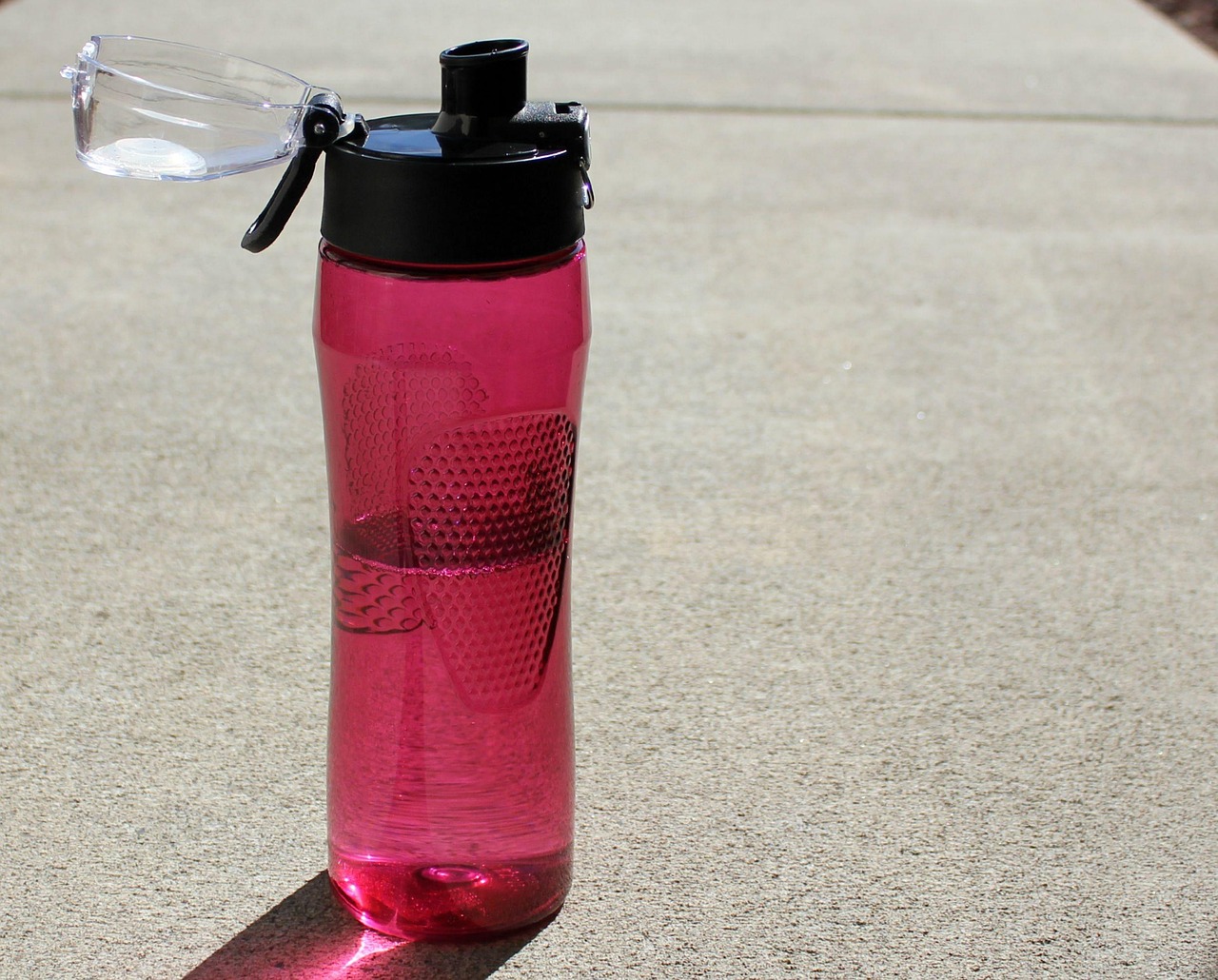
To optimize hydration during dance fitness cool-downs, implementing clear strategies is key. Dancers can foster a habit of drinking water consistently throughout their practice. A good approach is to carry a lightweight water bottle that fits comfortably in their bag. Having water accessible at all times encourages frequent sips, promoting hydration without the risk of overconsumption. It’s vital to develop an awareness of one’s body. Thirst is the body’s natural signaling mechanism; acting promptly on this is essential. Setting a schedule for fluid intake during workouts can also foster a better routine. Including sports drinks enriched with electrolytes can supplement water depending on the intensity of the session. This is particularly effective during lengthy or vigorous dance classes. For those who find plain water unappealing, infusing it with fruits like lemon or berries can enhance flavor and enjoyment. Adding hydration-rich foods such as cucumbers, oranges, and watermelon can also aid recovery. These small adjustments help dancers stay refreshed and energized while simultaneously enhancing overall health.
Understanding the signs of dehydration is crucial for dancers engaged in fitness activities. Symptoms can range from mild to severe, including dizziness, fatigue, headaches, and muscle cramps. Therefore, being aware of these indicators enables dancers to take necessary action promptly. It is vital for dancers to trust their body’s signals and incorporate hydration before symptoms manifest. This proactive approach can significantly reduce the chances of experiencing performance-related challenges. Dancers should create reminders to drink water regularly, like a simple app notification or avoiding alcohol consumption post-class to reduce dehydration risks. Encourage the practice of drinking water during warm-ups and keeping hydration consistent. Prioritizing hydration post-practice allows for optimal recovery, particularly after a vigorous cardio session. It’s also beneficial to consider the overall diet, as fluid intake should be balanced with solid nutrition. Combining hydration habits with nutritious meals enhances recovery and maintains energy levels. When integrating hydration strategies, this helps align dance fitness with personal health and performance goals, making hydration an essential element of daily routines.
The Science of Hydration in Recovery
The science of hydration encompasses understanding its impact on bodily functions after exercise. During cool-down, water is absorbed quickly by the body, reaching the cells to aid repair. Proper hydration levels ensure metabolic processes function optimally, and nutrients can be effectively transported to muscles. Additionally, it helps regulate body temperature after strenuous activity, making recovery smoother. This science underscores why dancers must appreciate adequate hydration before, during, and after dance classes. As a post-cool-down step, performing light stretches can also complement hydration efforts. Stretching while sipping water improves flexibility and blood flow, promoting relaxation. Moreover, hydration enhances focus, ensuring dancers remain mentally sharp in choreography practices. With strong hydration habits, shifts in energy levels can become less daunting. Therefore, developing a routine that prioritizes water consumption can significantly influence performance both physically and mentally. It’s pivotal to understand that hydration tasks are not only physical; they tap into the emotional aspects of feeling prepared and healthy. Implementing these strategies allows individuals to foster a healthier mindset surrounding dance fitness and recovery.
For dancers who may not intuitively understand their hydration needs, seeking advice from a nutritionist or fitness professional may prove beneficial. These experts can provide personalized recommendations based on individual activity levels and body composition. They can also help identify the ideal types and amounts of beverages necessary for optimum recovery. Creating a plan based on professional insight can demystify hydration and establish clarity around maintaining adequate fluid levels. Furthermore, developing support networks within dance communities allows for sharing hydration tips and experiences. Having friends or peers join a hydration accountability system can bolster motivation and commitment. Social support emphasizes the importance of consistency in healthy habits, especially in a demanding fitness environment. Assessing personal hydration habits, identifying weaknesses, and setting achievable goals is encouraged. Celebrating small milestones can create positive reinforcement and support long-term changes. Engaging with local dance studios regarding hydration workshops may also foster community involvement. Every dancer deserves an enriching experience, and that begins with prioritizing hydration practices. Each step toward improved hydration enhances personal experience and facilitates overall wellness.
Conclusion
In conclusion, recognizing the role of hydration in dance fitness cool-down routines is integral to a dancer’s overall health and performance. The synergy between proper hydration and recovery cannot be overstated; it supports the body’s need for replenishment and revitalization after an intense class. Dancers should adopt practical strategies by staying aware of their hydration needs while practicing. Whether on or off the dance floor, refraining from negative habits and consistently opting for mindful hydration choices transforms personal fitness journeys. By integrating recommended hydration techniques, dancers empower themselves to enhance their performance while ensuring well-being. Ongoing education on hydration effects further promotes positive habits, letting individuals tailor their routines based on scientific understandings. As awareness grows, so do the benefits associated with hydration throughout the dance fitness community. This creates opportunities for building supportive networks as individuals embrace a healthier relationship with their body’s needs. Ultimately, hydration serves as the cornerstone that underpins successful dance fitness practice. Embracing this principle allows dancers to cultivate a vibrant and sustainable journey toward health and happiness in their dance fitness endeavors.
Remember, prioritizing hydration is not merely about drinking water; it includes understanding personal needs and preferences. Inspire others and share your hydration journey for collective growth in your community. Each dancer has the potential to shine, and embracing hydration contributes to achieving personal goals while promoting a sustainable fitness lifestyle.