
Postpartum Fitness Supplements for Bone Health and Strength
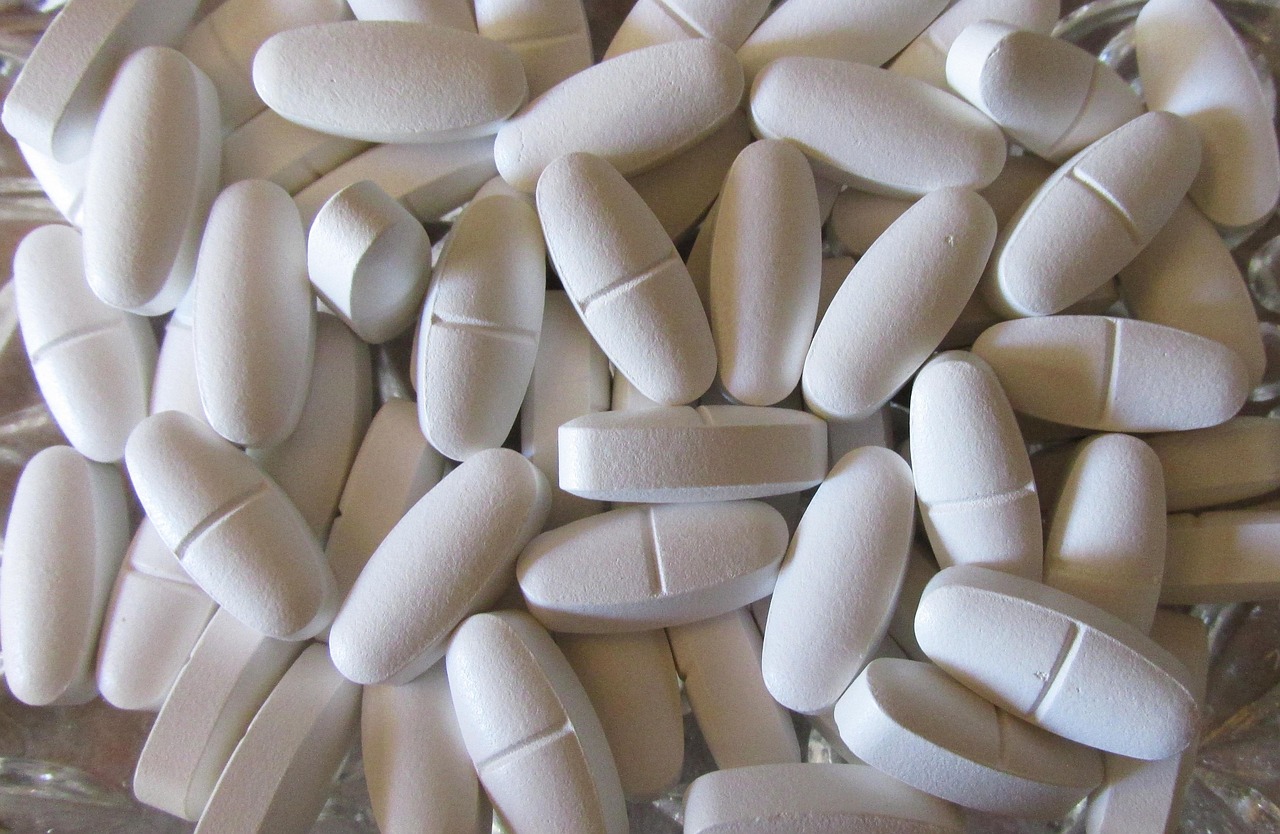
After childbirth, many mothers prioritize their health and fitness. During this transformative time, postpartum fitness supplements can provide essential nutrients that are key for recovery. Bone health is particularly critical, as pregnancy and breastfeeding can deplete calcium and vitamin D stores. Many women are unaware that their nutritional needs change significantly after pregnancy. Options like calcium citrate and magnesium supplements become necessary additions, playing significant roles in improving bone density. Moreover, some postnatal multivitamins come fortified with omega-3 fatty acids, which are essential for overall well-being. Adequate omega-3 intake also supports joint health, which is essential during the postpartum phase. Probiotics can aid in digestion, alleviating the common issue of bloating that many women face after giving birth. Consulting with healthcare providers is advisable to tailor a supplement regimen suited to individual needs. This process helps address specific deficiencies. For the most effective postpartum recovery, it’s important to integrate these supplements with balanced nutrition and safe exercise routines, contributing to enhanced strength and well-being.
As you navigate postpartum fitness, incorporating weight-bearing exercises can greatly enhance bone strength. Including walks, resistance bands, and lightweight workouts boosts strength while also supporting recovery. Nutrients are vital, but the exercises you engage in play a significant role in restoring strength. The combination of calcium and vitamin D facilitates the absorption of minerals into the bones, strengthening them over time. For example, women might consider vitamin D3 supplements, as they are effective for maintaining optimal bone health by improving calcium absorption. Additionally, there are supplements available that combine glucosamine with chondroitin, which help support joint functionality. A nutritious diet rich in leafy greens, nuts, and dairy can complement nutrient gaps in the postpartum period. Why not explore plant-based calcium sources such as fortified tofu or almonds for variety? Tracking nutrient intake through apps makes it easier to stay vigilant. Women should also include foods high in omega-3 fatty acids, such as flaxseed, walnuts, and fatty fish, known to mitigate inflammation. Thus, balancing supplements with a nutrient-dense diet will yield lasting benefits for bone health and overall fitness.
The Importance of Hydration
Good hydration is a cornerstone of postpartum wellness and must be prioritized alongside nutrition. Drinking sufficient water can positively affect nutrient absorption, enhance energy levels, and support breastfeeding. Ensuring adequate hydration helps maintain joint lubrication and overall metabolism, which is crucial during the recovery process. It’s essential to note that many postpartum supplements also suggest enhanced hydration effects. Supplementing with electrolytes can boost hydration levels and improve recovery during this demanding time. This means that including options like coconut water or electrolyte drinks can benefit postpartum routines. Moreover, herbs like spearmint and peppermint can be infused to create refreshing herbal teas that also encourage fluid intake. While coffee and tea are popular beverages, moderation is necessary, particularly with caffeine intake. Electrolyte-infused water can rejuvenate your hydration strategy while providing essential minerals. Being well-hydrated can support better sleep and help manage postpartum mood swings. Include strategies such as setting reminders or using stylish water bottles. Encouraging self-care routines including hydration can therefore create a supportive postpartum journey. Hydration is fundamental for your overall recovery and wellness during this critical time.
In addition to supplements, the timing of nutrient intake can enhance effectiveness significantly. Timing supplements can maximize the benefits for bone health and overall physical strength. Consuming vitamin D in conjunction with calcium-rich meals helps ensure better absorption, thereby enhancing bone health across the postpartum period. Similarly, protein sources fortified with essential amino acids are vital, aiding muscle recovery, especially after any workouts. Post-exercise, women can benefit from whey protein shakes mixed with fruits, boosting both taste and nutrition. Incorporating protein-rich snacks throughout the day can also promote energy levels and stave off fatigue. Foods such as Greek yogurt, cottage cheese and edamame are easy to prepare and rich in benefits. Keep in mind that different supplements may have varying effects; thus, it is essential to monitor how certain supplements influence your body. Over time, adjustments might be necessary based on individual responses and dietary preferences. Women should also consider addressing any food intolerances, as this could provide insights into how certain foods or supplements impact well-being. Therefore, tracking responses can assure optimized choices for both fitness validation and bone strength.
Consulting with Professionals
Prioritizing consultations with healthcare professionals is paramount in the postpartum phase. Engaging with a nutritionist or healthcare provider will facilitate making informed decisions on supplement use during this critical recovery period. Tailoring nutrition and supplement regimens according to lifestyle and individual health status is vital for maximizing recovery. Health experts can also identify any potential deficiencies and recommend specific supplements. This approach helps ensure adequate intake of essential nutrients necessary for bone health. It’s imperative to conduct regular check-ups to monitor vital health parameters activated during postpartum periods. Employers are becoming increasingly aware of the importance of this component, supporting mothers through hybrid or flexible work schedules to enhance well-being. More attention should be given to mental and physical health, letting mothers feel empowered in their postpartum journeys. Keeping abreast of the latest research findings regarding effective supplements can result in optimal health outcomes. Therefore, make educating oneself a continuous process, connecting with communities and attending workshops. Knowledge can equip mothers to make informed choices aligned with their unique health needs. Ultimately, positive changes can promote healthy futures for mothers.
Integrative approaches, including nutrition, exercise, and supplementation, create a balanced and effective postpartum recovery strategy. Making these decisions will not only benefit mothers in the long run but also positively influence their families. Supplementing with essential vitamins enables mothers to effectively bridge gaps in their nutrition due to various lifestyle factors. Listening to one’s body is imperative; likewise, understanding when to seek help is vital for self-care. Establishing strong support networks can create a safety net during this challenging time. Engaging with other mothers can share personal experiences and encourage shared resources. Remember that holistic approaches may incorporate mental health elements, mindfulness, and relaxation techniques alongside your fitness regimen. Creating a stress-free mindset is beneficial in chalking out fitness journeys. Focusing on holistic well-being represents the culmination of physical and emotional stability. Continuous learning about healthier lifestyles can become a part of daily routines. Think about simple measures like cooking at home, meal prep, and planning grocery lists. With dedication and the right mindset, postpartum health will flourish, strengthening the bonds between mother and child.
Conclusion and Final Tips
In conclusion, postpartum fitness supplements play crucial roles in ensuring both bone health and overall strength. Allocating the appropriate time for recovery after childbirth is essential for all mothers. Acquiring the necessary nutrients while maintaining a consistent exercise routine can tremendously impact not just physical strength but also mental well-being. Supplements, while beneficial, should never replace a balanced diet rich in minerals. Keep in mind that nutritional needs may vary from one person to another, addressing specific deficiencies uniquely through consultation with professionals. This can ensure focusing precisely on beneficial nutrients. Furthermore, encouraging a practice of mindful nutrition will have substantial benefits for postpartum recovery. Incorporating friendly support systems can also aid in making healthier lifestyle choices more sustainable. Engaging with a variety of wellness communities fosters collaborative learning. Strong and healthy mothers create strong family bonds, nourishing not just their bodies but their relationships as well. Prioritizing self-care during this period is a journey rather than a destination; therefore, embrace every moment with mindfulness. A consistent strategy of nutrition, hydration, and movement will undoubtedly lead to lasting improvements in postpartum health and strength.