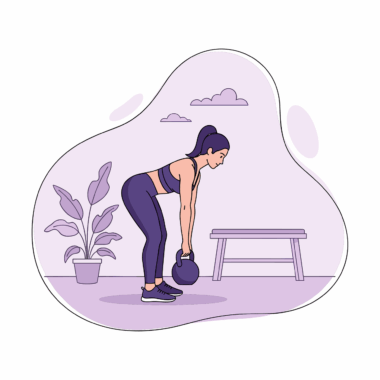

How to Set Up a Home Gym that Minimizes Injury Risk
Creating a safe and effective home gym is essential for injury prevention during workouts. Begin by assessing your available space to ensure it is adequate for your planned activities. Clear out any clutter, providing ample room for movement, and consider flooring options such as rubber mats or carpet to offer support. Incorporate essential equipment like dumbbells, resistance bands, and exercise mats into the setup to facilitate a variety of workouts while minimizing the risk of injury. Additionally, invest in a sturdy workout bench to enhance safety during strength training exercises. Ensure good lighting in the gym area, as visibility can prevent accidents caused by tripping or poor form. Setting up a dedicated space can foster a more focused environment, enabling you to concentrate on your workouts without distractions. Don’t forget to have necessary items like a water bottle nearby to stay hydrated. Monitor temperature conditions, ensuring the space is not too hot or cold, as comfort is key to durability and performing exercises correctly. Lastly, always check equipment for signs of wear to avoid unexpected incidents that could lead to injuries.
Essential Safety Equipment
Incorporating safety equipment in your home gym setup is paramount for reducing injury risk. Begin by obtaining appropriate flooring that can provide cushioning and support, such as foam or rubber mats. These flooring options can lessen the impact on your joints, especially during high-impact workouts. Ensure that exercise equipment is ergonomically designed and well-suited for your body type to avoid strain. Furthermore, consider using wrist wraps, knee sleeves, and weights that allow for a controlled grip to enhance stability. If you’re engaging in high-intensity training or activities that involve jumping, supportive footwear designed for athletic performance is essential. Depending on your workout choices, consider equipment like stability balls, which can improve balance and coordination, reducing the chance of falls. Additionally, having access to a first aid kit stocked with essential supplies is wise for immediate injury management, whether it’s minor cuts or sprains. Special attention should also be paid to bands and straps that can assist in stretching and promote proper form. Overall, prioritizing safety equipment is vital for encouraging a positive workout experience with reduced injury risk.
Warm-up exercises play a crucial role in minimizing the risk of injury during home workouts. Start every session with a thorough warm-up procedure, engaging in 10 to 15 minutes of dynamic stretches that effectively prepare your muscles and joints. Focus on movements that mimic the exercises you plan to perform, gradually increasing intensity to raise your heart rate. Simple actions like high knees, arm circles, and leg swings can enhance flexibility while promoting blood flow to essential areas. By warming up adequately, you’ll significantly lower your chances of strains or sprains that can occur during abrupt movements. Cooling down after your workouts must also not be overlooked; engage in static stretches to promote recovery and soothe hardworking muscles. Incorporate important stretches targeting major muscle groups, such as quadriceps, hamstrings, and shoulders. Prioritize holding each stretch for 15 to 30 seconds, allowing muscles to relax adequately. Consistency with warmer protocols will not only increase flexibility but impacts overall performance positively. It’s essential to listen to your body throughout the warm-up and cool-down, ensuring you never push beyond comfort limits to avoid possible injuries.
Proper Workout Form and Technique
Maintaining proper form and technique during workouts is crucial for injury prevention and effectiveness. Educate yourself on correct exercise execution, focusing on posture, alignment, and controlled movements. Engaging a qualified personal trainer or utilizing online instructional resources can help you master techniques that suit your fitness level. Pay specific attention to engaging the core during lifts and stabilizers in all exercises, as this reduces strain on your back and joints. If necessary, modify exercises to accommodate limitations or skill levels, opting for regressions to ensure safety while building strength gradually. Utilize mirrors or video recordings to analyze your form if practicing alone, allowing for adjustments as needed. Moreover, avoid lifting weights that are too heavy, as this can lead to compromised form and increase the risk of injuries. Engaging in exhaustive reps without proper technique significantly raises the potential for overuse injuries. Remember that it’s better to perform fewer quality repetitions than many incorrect ones. Focusing on slow, controlled movements can also develop stability and coordination, making it crucial to promote safe practices while working out effectively.
One critical approach to preventing injuries during home workouts involves incorporating rest and recovery days into your schedule. Overtraining can lead to muscle fatigue and increase susceptibility to injuries such as strains and tendonitis. Creating a balanced workout routine with designated days of rest allows muscles to recover and rebuild, improving overall performance. Aim to include several rest days or lighter activity days throughout your training week, ensuring that muscle groups receive adequate recovery time. Scheduling activities such as yoga or light stretching can promote relaxation and flexibility while providing restorative benefits for fatigued muscles. Pay attention to signs like persistent soreness or fatigue, as they may indicate your body requires more time to recover. Hydration and nutrition should also be prioritized to support recovery, focusing on a balanced diet that includes protein, healthy fats, and carbohydrates. Additionally, consider techniques like foam rolling or massage therapy that can enhance recovery and decrease muscle tightness. Remember, allowing adequate recovery is as crucial as active training in achieving long-term fitness goals without the risk of injury.
Listening to Your Body
Being attuned to your body’s signals is paramount for injury prevention when exercising at home. Before commencing each session, conduct a self-assessment to recognize any discomfort or injuries that may require attention. Workout strategies should prioritize how you feel rather than solely focusing on the desired outcomes. If experiencing pain, particularly sharp or unexplained aches, reconsider the intensity of your workout and what activities you choose to perform. Adjust exercises accordingly to prevent worsening injuries. Consider a gradual progression approach to limit excessive strain on your body, especially when trying new techniques or increasing weights. Implementing a flexible schedule allows for adjusting based on daily performance and energy levels. Furthermore, adequate hydration and nutrition will support your body’s resilience during workouts. Incorporate pleasant activities that you enjoy to enhance motivation levels, promoting a sustainable routine. Regularly practice techniques for mindfulness or meditation to develop a deeper mind-body connection, enhancing awareness of your health status. Overall, listening to your body is essential for maintaining a safe and effective home workout routine while reducing risk and injuries.
To sum up, creating a safe home workout environment is vital for injury prevention and success. Ensuring space is free from clutter minimizes accidents and sets a positive tone for workouts. Equipping your gym with safety gear and maintaining proper form is equally essential, contributing to effective exercise sessions. Prioritize including warm-up and cool-down routines to prepare your body adequately and aid recovery. Furthermore, giving your body the necessary recovery time and listening to its cues greatly enhances your overall fitness experience. Emphasizing the significance of recovery days and monitoring physical responses fosters sustainable growth. Therefore, your home gym setup must not only be functional but should actively promote well-being and injury prevention. By combining practical safety measures with mindfulness in your workouts, you can enjoy a fulfilling and injury-free fitness journey from the comfort of your home. Always remain open to education and adjustments in your routine as necessary, ultimately leading you toward healthier practices and improved physical fitness. With the whole commitment to safety and wellness, you can achieve your fitness objectives while avoiding unnecessary injuries.
Setting up a home gym conducive to injury prevention involves careful consideration and planning to create a supportive environment for exercise. Join the ranks of individuals dedicated to staying fit while prioritizing safety.