
Fats Are Friends: Healthy Fats in Eating Disorder Nutrition Plans
In the realm of nutrition for those recovering from eating disorders, healthy fats often bear a negative stigma. Traditional dieting has perpetuated the myth that all fats are harmful. However, healthy fats play a crucial role in overall wellness, particularly for individuals overcoming eating disorders. They are essential for proper brain function, hormonal balance, and skin health. Incorporating healthy fats into a balanced nutrition plan can significantly support recovery. Foods such as avocados, nuts, seeds, and olive oil contain beneficial fats that provide the body with necessary energy and nutrients. Understanding the types of fats is vital in constructing a health-focused meal plan that promotes recovery and wellness. For example, unsaturated fats, found in fish and plant oils, help reduce inflammation and improve heart health. In contrast, trans fats and excessive saturated fats might lead to health complications. Thus, educating individuals about fats’ benefits is essential, reinforcing the idea that these nutrients are friends, not foes. Tailored nutrition plans emphasizing healthy fats encourage a positive relationship with food, enhancing recovery processes for individuals with eating disorders.
Healthy fats are an integral part of a well-balanced diet, and their significance cannot be overstated. In nurturing recovery from eating disorders, they help regulate mood and enhance dietary satisfaction. Many individuals experience restrictions that lead to a lack of joy in eating. Including healthy fats can create delicious meals, making food more appealing. Sources such as fatty fish, including salmon and mackerel, are loaded with omega-3 fatty acids, which are excellent for brain health and mood enhancement. Furthermore, incorporating nuts into snacks or meals provides crunch and nutrients, making them enjoyable. It’s also essential to understand the issue regarding caloric intake in recovery. Fatty foods are calorie-dense, helping individuals meet energy needs without excessive portions. Educating those in recovery on proper portion sizes can mitigate fears surrounding these food items. The goal is to foster a supportive environment where healthy fats are celebrated, not feared. Therefore, dietitians and Nutritionists should actively work with individuals to reframe their views about these fats. Ultimately, we are encouraging a healthier relationship between eating and nutrition, especially concerning those struggling with eating disorders.
The Role of Omega-3 Fatty Acids
Omega-3 fatty acids stand out for their profound benefits in recovery. Various studies indicate that these fats can alleviate symptoms of depression and anxiety, common among those facing eating disorders. Research shows a link between omega-3 intake and improvements in mood and emotional regulation. This becomes crucial for recovery, where emotional stability is desired. Foods high in omega-3, such as flaxseeds, chia seeds, and walnuts, should be featured in meal plans. For those resistant to traditional sources, supplements may be an alternative. These fats are not only vital for emotional support but also for overall physical health. They contribute to heart health and brain function, essential during healing. Including these in meals encourages individuals to diversify their diet, ultimately creating a sense of normalcy around eating. Building positive habits around incorporating omega-3 will enhance nourishment awareness. This leads to self-acceptance and careful attention towards improving dietary choices. Introducing omega-3s into an eating disorder recovery table is not just about nutrition; it intertwines with emotional well-being and improved quality of life.
Avocados are revered as a powerhouse of healthy fats, offering numerous benefits for those recovering from eating disorders. They are rich in monounsaturated fats, which can help lower bad cholesterol levels and support heart health. Avocados are also high in fiber, aiding in digestion and promoting satiety, essential for individuals in recovery who may struggle with feelings of fullness. Additionally, avocados contain various vitamins and minerals, such as potassium and vitamin K, contributing to overall health. Their creamy texture makes them an appealing option in meals and snacks. Smashed avocado on whole-grain toast, for example, is both nutritious and delicious. Integrating avocados into a recovery-focused meal plan can encourage individuals to embrace healthy fats while also enjoying the flavors and textures of food. The crucial aspect of including avocados is their versatility; they can be added to smoothies, salads, or even as a dip, promoting culinary creativity. Supporting individuals in exploring these options cultivates a positive relationship with food, essential for recovery. Ultimately, avocados exemplify how delicious healthy fats can be, reinforcing their essential role in nutrition.
Nut Consumption and Its Benefits
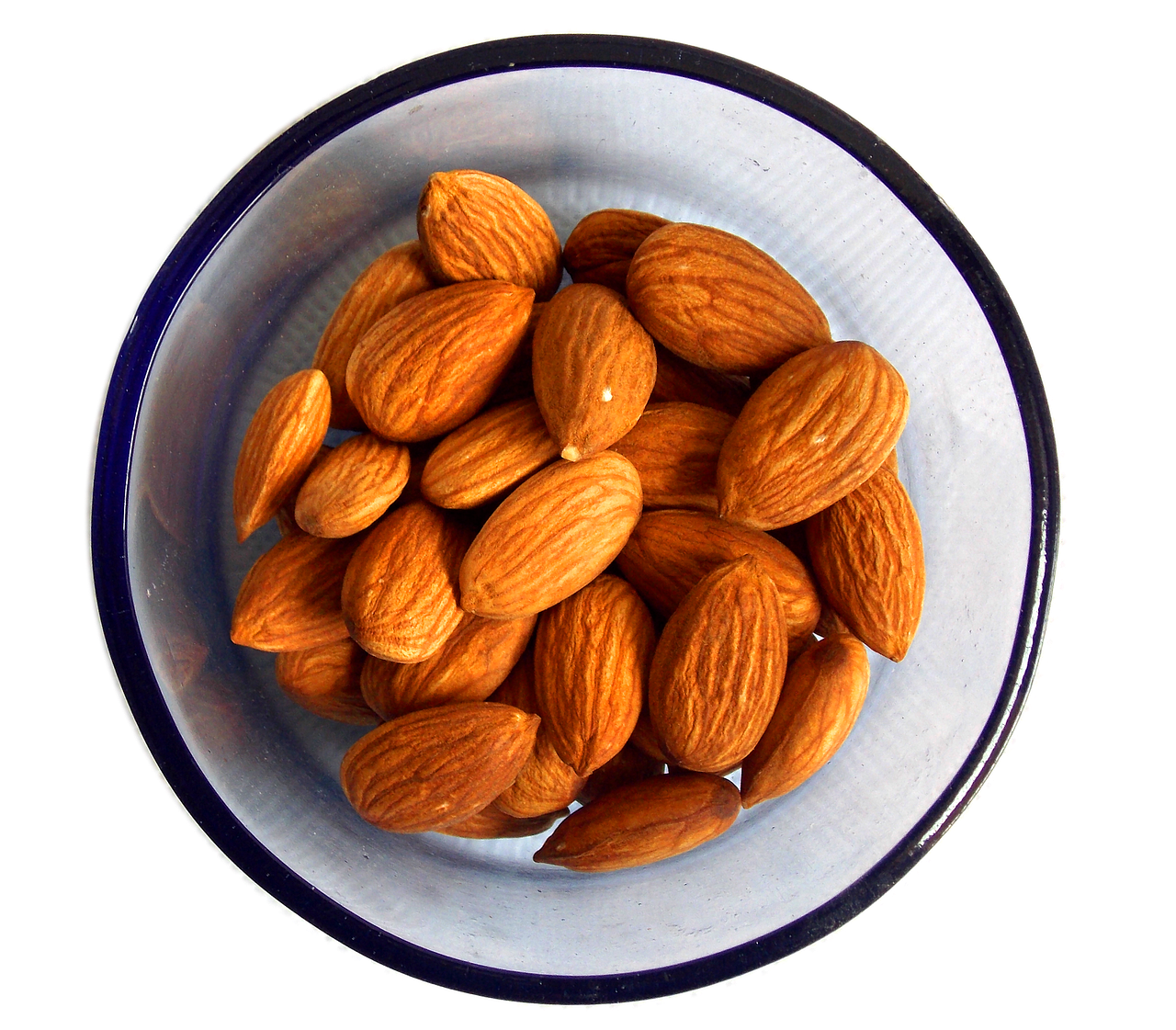
Nuts are another fantastic source of healthy fats, providing an array of nutrients critical to recovery. They are known for their beneficial impacts on cardiovascular health, cognitive function, and overall well-being. Almonds, walnuts, cashews, and pecans can easily be integrated into meals, offering crunch and satisfaction. They can be consumed as snacks, added to yogurt, or included in homemade granola mixes. It’s essential to promote varied nut consumption, as each type provides a unique combination of fatty acids, protein, and vitamins. The energy density in nuts is particularly advantageous for individuals who may struggle to maintain caloric intake. A small portion can help meet energy needs without overwhelming the palate. For those experiencing anxiety around food, presenting nuts in various forms—such as nut butter or using them in baking—can make them more acceptable. Proper education on portion sizes can alleviate concerns, empowering individuals to choose nuts freely. Including nuts in daily nutrition plans can significantly reinforce healthy eating habits and build a balanced relationship with food during recovery.
Seeds, particularly chia, flax, and hemp, are vital for healthy fat inclusion in nutrition plans. They provide essential fatty acids alongside adequate fiber, enhancing digestion and overall health. Incorporating seeds into meals can offer various nutritional benefits, from boosting omega-3 intake to providing antioxidants. Chia seeds are especially known for their hydrating properties; they expand significantly when soaked in liquid, creating a nutritious pudding or smoothie addition. Flaxseeds boast lignans, plant compounds known for their antioxidant benefits and support in hormonal balance. Meanwhile, hemp seeds are protein-rich, delivering essential amino acids that serve recovery demands. Seeds can seamlessly be sprinkled atop salads, stirred into oatmeal, or blended into smoothies. They may also be used in baking for added texture and nutritional content. Encouraging individuals to explore these versatile options is crucial in fostering a well-rounded diet, promoting enjoyment in meals. Transitioning the perception of seeds from an afterthought to a staple empowers individuals to make healthier choices without feeling deprived. This nutritional diversity will ultimately support their journey of recovery positively.
Cooking with Healthy Fats
Cooking with healthy fats is an essential skill for those in recovery, encouraging creativity and enjoyment in meal preparation. Utilizing oils such as olive oil and coconut oil offers unique flavors and health benefits. Olive oil, rich in monounsaturated fats, is perfect for salad dressings and sautéing vegetables. Meanwhile, coconut oil adds sweetness, ideal for baking or making homemade granola. Understanding how to incorporate these healthy fats into meals can transform the cooking experience, making it less intimidating and more enjoyable. Recipes that promote healthy fat usage encourage individuals to embrace cooking as a nurturing activity rather than a source of anxiety. Engaging in cooking allows individuals to connect with food positively. Furthermore, teaching practical culinary skills instills confidence and autonomy in food choices during recovery. Creating meals centered around healthy fats can also promote group participation. Individuals can engage with family or support groups, making cooking together a bonding experience, reinforcing community. Therefore, embracing healthy fats in culinary practices not only nourishes the body but nourishes the soul, providing a pathway toward healing through culinary exploration.
In conclusion, incorporating healthy fats into nutrition plans is essential for individuals recovering from eating disorders. Understanding their role in emotional stability, cognitive function, and physical health can empower individuals to embrace these nutrients. Educational resources will help demystify the fear surrounding fats, reinforcing their importance in a balanced diet. In particular, focusing on sources like avocados, nuts, seeds, and omega-3 fatty acids creates a supportive framework for recovery. By providing knowledge and practical cooking skills, individuals can transform their relationship with food, making it a positive and enjoyable journey. Encouraging community engagement through shared cooking experiences enhances this process, emphasizing connection and support. As individuals learn to appreciate the benefits of healthy fats, they can develop a sense of balance and self-acceptance. Thus, highlighting healthy fats within recovery nutrition plans is not just about nutrition; it is fundamentally about healing and embracing life through food. Continuing to push forward with these principles will empower individuals along their healing journey, promoting long-term success in recovery. In summary, changing the narrative around healthy fats is essential for fostering a compassionate and supportive recovery environment.