
Advanced Outdoor Flexibility Exercises for Experienced Athletes
Outdoor flexibility training can significantly enhance an athlete’s performance, unlocking the potential for improved mobility and injury prevention. Exploring advanced exercises, we delve into routines that challenge experienced athletes and elevate their skills. One must prioritize a warm-up before any rigorous stretching, focusing on dynamic movements that engage the hips, shoulders, and spine. As a foundation, consider incorporating stretches such as lunges with a twist or deep squats to prepare the body effectively. After warming up, aim to maintain proper alignment throughout each exercise. Concentrate on your breathing to maximize benefits and increase your range of motion. Stretching after workouts aids recovery, while consistency is crucial for seeing significant results. Creating a flexible outdoor workout space can motivate athletes to maintain routines. Remember to hydrate and take breaks between exercises to avoid fatigue. Share your experiences and routines with others in your fitness community to inspire new practice methods. Acknowledge the importance of mental focus as you engage in physical challenges outdoors. This multidimensional approach enriches both performance and enjoyment in outdoor flexibility training.
Integrating advanced techniques into your outdoor flexibility training routine can provide dramatic results. Experienced athletes can benefit from unique stretches that not only target specific muscle groups but also contribute to overall strength. One effective exercise is the elevated pigeon stretch, where the front leg is placed on an elevated surface to deepen the stretch. This can also be executed on a bench or any sturdy structure to increase intensity. Additionally, try the standing quadriceps stretch, performed while grounded on one leg. This improves balance and isolates the muscles in the front thigh effectively. Incorporating a partner into your training can bring added challenges; use partner-assisted stretches to further enhance flexibility levels. For example, one partner can apply gentle pressure during an assisted hamstring stretch. Accountability between training partners boosts motivation and commitment to your flexibility goals. Remember that nutrition plays a supportive role in achieving optimal flexibility, so maintain a balanced diet that fuels your workouts. This includes appropriate proteins, fats, and carbohydrates for recovery. Finally, log your progress in a workout journal to track improvements, modifications, and routines throughout your training journey.
Challenges of Flexibility Training Outdoors
Training in outdoor environments presents unique challenges that athletes need to navigate effectively. Weather conditions can significantly impact comfort and performance during flexibility training sessions. Whether facing wind, rain, or heat, it’s essential to adapt your routines and select optimal times for workouts. Aim for early mornings or late afternoons when temperatures are cooler for comfortable training. Additionally, varying terrain can affect workout execution; practicing on grass, sand, or concrete offers different levels of resistance and stability, influencing stretch effectiveness. Use a yoga mat or thick towel to provide comfort when on hard surfaces. Outdoor distractions such as noise or bystanders may also interrupt concentration. To counteract this, find a quieter or more secluded area to focus on skill enhancement without interruptions or concerns. Moreover, consider incorporating mindfulness practices to enhance focus during your flexibility exercises. Visualizing the stretch can improve body awareness, allowing athletes to connect with their movements better. Embrace the elements, as they foster resilience in training. Ultimately, overcoming outdoor challenges can translate to improved flexibility and strength, leading to enhanced athletic performance in various sports.
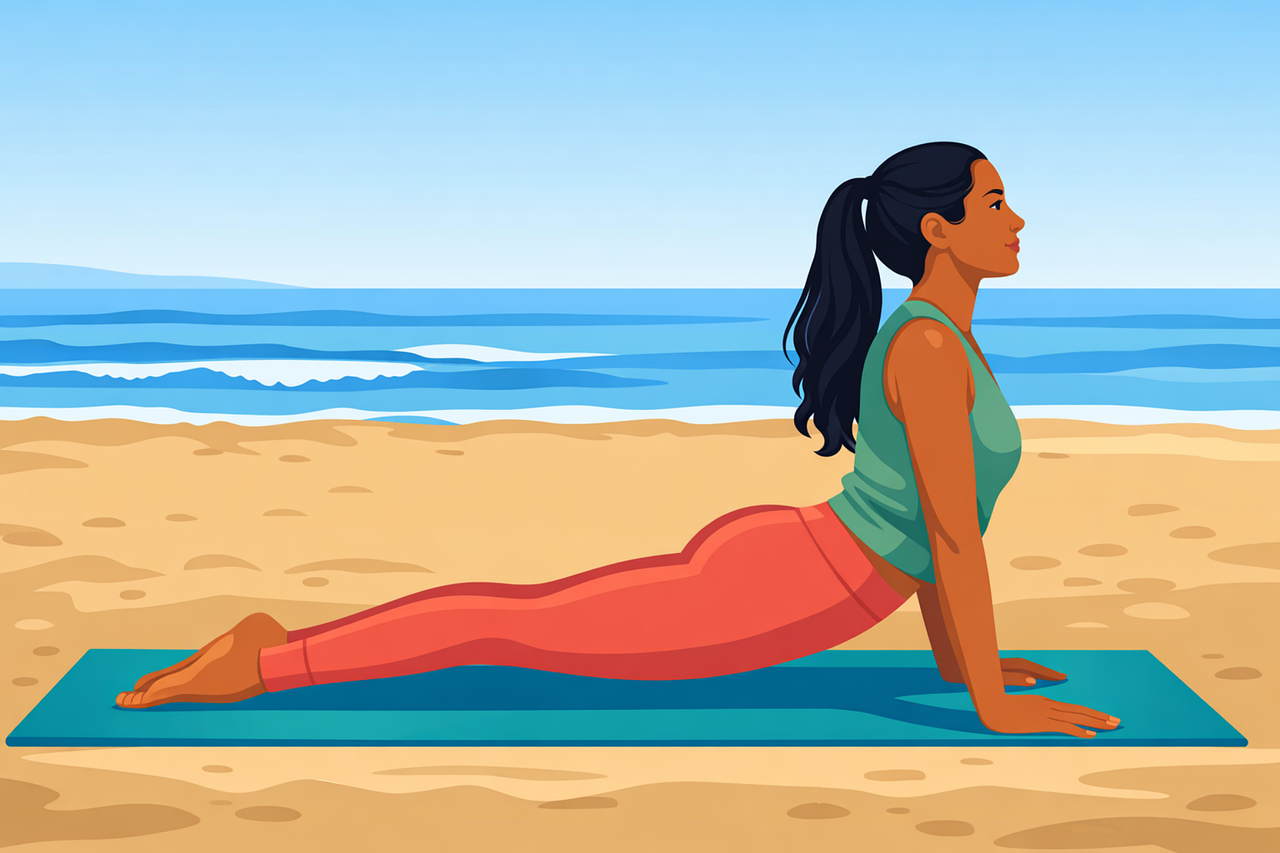
Many experienced athletes underestimate the importance of breath work in flexibility training. Conscious breathing techniques can enhance flexibility sessions and contribute to overall athletic performance. For instance, during deep stretches, such as the cobra pose or downward dog, focus on your inhalations and exhalations. This rhythm helps relax the muscles, allowing for a deeper stretch. Consider practicing diaphragmatic breathing to engage more extensive lung capacity, further improving oxygen supply to the muscles. Regular practice of mindful breathing can establish a strong connection between body and mind during outdoor workouts. Additionally, explore yoga and tai chi, which emphasize breath control inherently. Movements in these disciplines harmonize breath with motion; incorporating them can substantially improve flexibility and stability. Furthermore, meditation can sharpen focus and reduce stress during workouts, transforming your overall training experience. Use scenic outdoor environments as the backdrop for mindfulness exercises and allow nature to inspire tranquility within your sessions. By merging these breathing techniques with traditional flexibility exercises, you’ll find your outdoor workouts are not only physically challenging but mentally invigorating as well. Enhanced mental clarity can significantly benefit performance, leading to improved outcomes in both training and competition.
Utilizing Props for Enhanced Flexibility
Utilizing props during outdoor flexibility training can unlock new dimensions to performance. Items such as resistance bands, foam rollers, and yoga blocks can significantly aid in executing stretches effectively. Resistance bands can be particularly useful for exercises targeting the lower body, such as leg stretches or hip openers. By providing resistance, they aid in muscle engagement and lengthening, improving overall flexibility. Foam rollers serve as excellent tools for myofascial release and can help relieve tension in tight areas. Utilizing a foam roller before and after workouts enhances recovery and functionality. Yoga blocks can improve alignment and depth in poses like triangle or warrior—placing them strategically allows for proper form and further engagement. Improvised props, like towels or backpacks, can also support balance during stretches. Outdoor workouts lend themselves nicely to incorporating these tools, offering a versatile and adaptation-ready environment. At the same time, finding innovative ways to use natural surroundings, like trees or benches, can add variety to your routine. Engage with your surroundings creatively; consider how they can enhance your flexibility training and ultimately lead you to stretch further than ever before.
Creating a structured outdoor flexibility routine can optimize results and enhance performance for advanced athletes. Start by establishing clear goals for your flexibility training. Specify which areas you wish to target. Whether improving hip flexibility or hamstring length, a focused approach can yield more significant progress. A well-rounded routine should include various stretches like dynamic, static, and proprioceptive neuromuscular facilitation (PNF) stretches. For example, PNF can be particularly effective in enhancing flexibility when performed with a partner. Schedule your training sessions consistently, as regular practice will help maintain and cultivate flexibility. Set aside specific outdoor times throughout the week to ensure accountability and progress. Vary your sessions to keep them fresh; alternate between different locations or workout components to prevent monotony. Monitoring progress is vital—take note of improvements in range, endurance, and balance. Utilize wearable technology or fitness apps to track workouts and gains effectively. Lastly, consider participating in group sessions or outdoor classes focused on flexibility; these foster community and motivation. By maintaining a structured yet adaptable approach to your outdoor flexibility training, you’ll promote long-lasting improvements toward athleticism and well-being.
Safety Considerations for Flexibility Training Outdoors
Taking safety precautions during outdoor flexibility training is vital for preventing injuries. Always assess the environment before starting your routines; ensure the area is free from obstacles or hazards that may lead to accidents. Training on soft surfaces like grass can provide extra cushioning and decrease impact risks. Wear appropriate footwear that offers support while allowing for freedom of movement. Hydration is essential—maintain fluid levels, especially on warm days, to avoid dehydration. Stretching in shaded areas or bringing along portable shade can protect from heat-related illnesses. Moreover, listen to your body; if you feel discomfort or pain during any movement, stop immediately to prevent strain. Incorporate gradual progression into your workouts; don’t push too hard, especially if you are returning from an injury or long break. Lastly, consider developing an emergency plan, such as knowing where emergency services are located and bringing along a first aid kit. Create a balanced workout that adequately includes rest days; overextending can lead to burnout. By prioritizing safety measures, you can create a sustainable outdoor flexibility training routine that promotes growth, athletic performance, and enjoyment.
Achieving optimal outdoor flexibility requires a dedicated mindset and consistent effort. Experienced athletes should embrace a growth mentality, focusing on personal development rather than comparison. Celebrate progress toward your flexibility goals, no matter how small, such as increased range of motion or holding a stretch longer. Connect with fellow athletes and share your journey; motivational feedback from a supportive community can enhance accountability. Explore various outdoor spaces for your workouts, from parks to beaches, to discover environments that foster inspiration and creativity. Routine changes can invigorate training sessions; mix innovative stretches or styles to combat boredom and continue challenging the body. Document your progress and experiences within a training journal that tracks achievements and goals. In addition, consider setting both short-term and long-term flexibility objectives to maintain focus. Incorporating cross-training methods, such as strength training, can also facilitate flexibility gains by engaging the muscles in diverse ways. Understanding anatomy and the mechanics of flexibility empowers athletes to utilize effective techniques. By integrating commitment to lifelong learning and exploration, you can cultivate a fulfilling outdoor flexibility training journey. Remember, it’s not just about flexibility; it’s about enjoying the process every step of the way.