
Beginner-Friendly Gym Workouts for Women: Your Ultimate Guide
Starting your fitness journey can be incredibly exciting, yet intimidating, especially for women. Often, the gym can seem overwhelming due to the variety of equipment, workout routines, and the presence of seasoned gym-goers. However, this comprehensive beginner-friendly guide aims to ease your transition into the world of gym workouts. The key to success lies in understanding the fundamentals of various exercises you will encounter. By focusing on basic movements, you can build strength and confidence while minimizing the risk of injury. This guide will provide you with effective workouts catered to women’s fitness goals while promoting a positive gym experience. Remember, every expert was once a beginner. As you progress, you will discover what workout routines are best for you and how your body responds to different exercises. It’s also important to incorporate a balanced diet and adequate hydration, which are crucial to complement your training. Engage in workouts that not only feel good but also bring you joy. In this guide, you will find something for everyone, ensuring that every woman feels empowered to embrace their fitness journey.
Establishing Your Fitness Goals
Before diving into workouts, it is essential to identify and establish your fitness goals. Consider what you wish to achieve at the gym: weight loss, muscle gain, or overall wellness. Setting realistic and achievable goals can help keep you motivated and focused. Start with short-term goals, such as completing a certain number of workouts each week, and gradually build towards long-term objectives. Ensure that your goals are specific, measurable, attainable, relevant, and time-bound, known as the SMART criteria. Tracking your progress through a fitness journal or mobile app can be extremely beneficial; this way, you can stay accountable. On the other hand, understanding your limitations is equally as important. Don’t hesitate to modify exercises as needed, especially when you are just starting out. Your fitness journey is unique to you, and it’s essential to enjoy the process rather than compare yourself to others. Gaining strength and endurance takes time and dedication, but with commitment, you will see positive changes unfold in your body and mind. Embrace the learning experience and celebrate your progress, no matter how small it may seem.
Essential Gym Equipment for Beginners
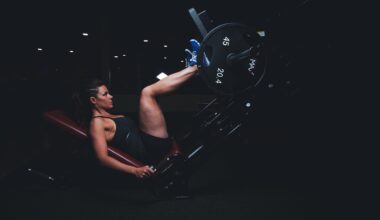
Knowing which gym equipment to use is vital when beginning your workout routine. As a beginner, it is best to start with basic equipment that is user-friendly and effective. These may include free weights such as dumbbells, resistance bands, and medicine balls. Alternatively, you can use gym machines designed for specific muscle groups. Each piece of equipment plays a unique role in building strength and improving endurance. For example, dumbbells can help you learn proper lifting techniques and work on form. Resistance bands, on the other hand, are perfect for providing a greater range of motion and flexibility in exercises. Make sure to familiarize yourself with the machines available at your gym, as many have instruction guides detailing the proper usage. To maximize results, it’s important to alternate exercises targeting various muscle groups, giving your body balanced strength training. Don’t hesitate to seek help from a trainer if unsure how to use any equipment correctly. Knowing how to operate gym machines safely ensures a positive workout experience, significantly decreasing the risk of injury.
Your gym workouts should include a mix of strength training, cardio, and flexibility exercises. A well-rounded weekly routine will enhance overall fitness and prevent boredom from monotony. For cardio, choose activities that elevate your heart rate and can be sustained for longer periods, such as running on a treadmill, cycling, or group classes like Zumba. These workouts improve stamina and cardiovascular health. For strength training, consider using a combination of bodyweight exercises and resistance training. Movements such as lunges, squats, and push-ups are great bodyweight exercises that target multiple muscle groups without needing much equipment. As you grow stronger, gradually increase weights to keep challenging your body. This principle of progressive overload is crucial in fitness development. Finally, incorporating flexibility exercises, like yoga or static stretching, into your weekly schedule is vital to aid recovery and improve mobility. Stretching also minimizes the risk of injury and alleviates muscle soreness. By implementing this variety into your workout routines, you’ll experience improved physical results while keeping your workouts fresh and exciting.
Consistency is key in any successful workout regime. As you embark on your fitness journey, aim to establish a routine that fits seamlessly into your lifestyle. Find the days and times that work best for you, whether it’s early morning before work or evenings after a busy day. Creating a schedule will reduce the chances of skipping workouts due to lack of planning. Then make adjustments as needed; life can be unpredictable, so stay flexible with your routine while remaining committed to your goals. Additionally, surrounding yourself with a support system can be a game changer. Friends, family members, or workout buddies can provide motivation and encouragement, making the process enjoyable. Participating in group classes at the gym can foster friendships and introduce you to new exercises as well. Remember to celebrate your milestones along the way. Even small improvements count, whether it’s lifting heavier weights, completing more reps, or simply showing up consistently. Fitness is a journey, not a destination. Embrace the ride to ensure a lasting commitment to your health and wellness.
Importance of Recovery
Incorporating recovery days in your workout program is crucial for optimal performance and development. Resting allows your muscles to repair and grow stronger after intense workouts. Beginners often underestimate the significance of recovery, thinking they must push through pain. While dedication is admirable, overtraining can lead to injuries and burnout. Make sure to schedule at least one dedicated rest day each week. Active recovery, such as leisurely walking or gentle stretching, can also contribute to muscle recovery. Pay attention to your body’s signals; if you feel fatigued or notice persistent soreness, it may be time to take a break. Dreaming of fitness goals is exciting, but maintaining your health should always come first. Additionally, prioritize sleep as part of your recovery process. Quality sleep plays a vital role in muscle repair, hormone regulation, and performance. Aim for seven to nine hours of uninterrupted sleep each night. Lastly, hydrating properly and nourishing your body with healthy foods rich in nutrients can significantly affect recovery and overall performance in the gym. Remember, you are building strength for the long term, and consistent recovery will support your journey.
Staying Motivated and Enjoying the Process
Staying motivated throughout your fitness journey is essential for long-term success. It can be easy to lose enthusiasm over time, especially when faced with challenges along the way. Setting small, achievable milestones, such as increasing the weight you lift, or improving your endurance during cardio sessions, can help keep your momentum going. Tracking your progress can provide valuable motivation; take before and after photos, measure your body, or maintain a workout log. Additionally, consider mixing up your workouts regularly to prevent boredom. Experimenting with different classes or trying a new workout regimen can reignite your passion for fitness. Furthermore, rewarding yourself for reaching significant milestones can help create a positive reinforcement system. Whether treating yourself to new workout clothing or indulging in a healthy snack, celebrating achievements along the way creates an enjoyable environment around fitness. Lastly, never forget to connect with the gym community; attending group classes or engaging with friends will offer motivation and accountability. Always remember that fitness is a journey, and finding joy in the process is just as important as reaching your ultimate goals.