
Kegel Exercises vs Other Postpartum Fitness Techniques: What Works Best?
Kegel exercises are specially designed for women recovering from childbirth. These exercises help strengthen pelvic floor muscles, improving bladder control and sexual health. Unlike traditional workouts, Kegel exercises can be performed discreetly anytime, anywhere. This unique aspect makes them incredibly appealing to new mothers who may find it challenging to dedicate time to other forms of exercise. On the contrary, postpartum fitness techniques like Pilates or yoga focus on stabilizing the core muscles but may require a prior understanding of movements, which can be daunting. It is essential to appreciate that Kegels can significantly reduce postpartum urinary incontinence, a condition many women experience after giving birth. Engaging in these exercises consistently will yield successful results, particularly when they are integrated into a daily routine. However, it’s vital to know the proper technique; incorrect Kegel exercises can do more harm than good. Seeking guidance from a healthcare professional can be beneficial to avoid any mistakes. In essence, Kegel exercises stand out for their convenience and effectiveness, making them a fantastic choice alongside other postpartum exercise techniques.
The Benefits of Kegel Exercises
Incorporating Kegel exercises into your postpartum fitness routine offers numerous benefits. Primarily, these exercises enhance pelvic floor strength, which is crucial for women post-delivery. Strengthening these muscles not only helps in regaining bladder control but also improves overall pelvic health. Additionally, Kegels contribute to increased sensation during intercourse, which can often diminish postpartum. Besides, the psychological benefits are substantial; women who perform Kegels report feeling more confident about their bodies after pregnancy. Another advantage is that Kegels can be done without any special equipment, making them versatile and cost-effective. They can easily fit into busy lifestyles, allowing new mothers to squeeze in some fitness while taking care of their newborn. Furthermore, integrating Kegel exercises with other fitness activities like walking or swimming can lead to a more holistic fitness approach. It is recommended to aim for three sets of ten repetitions daily, gradually increasing as strength improves. However, while beneficial, Kegels should not replace comprehensive postpartum workouts but rather complement them. Emphasizing the importance of variety in exercise is crucial to ensure balanced recovery after childbirth.
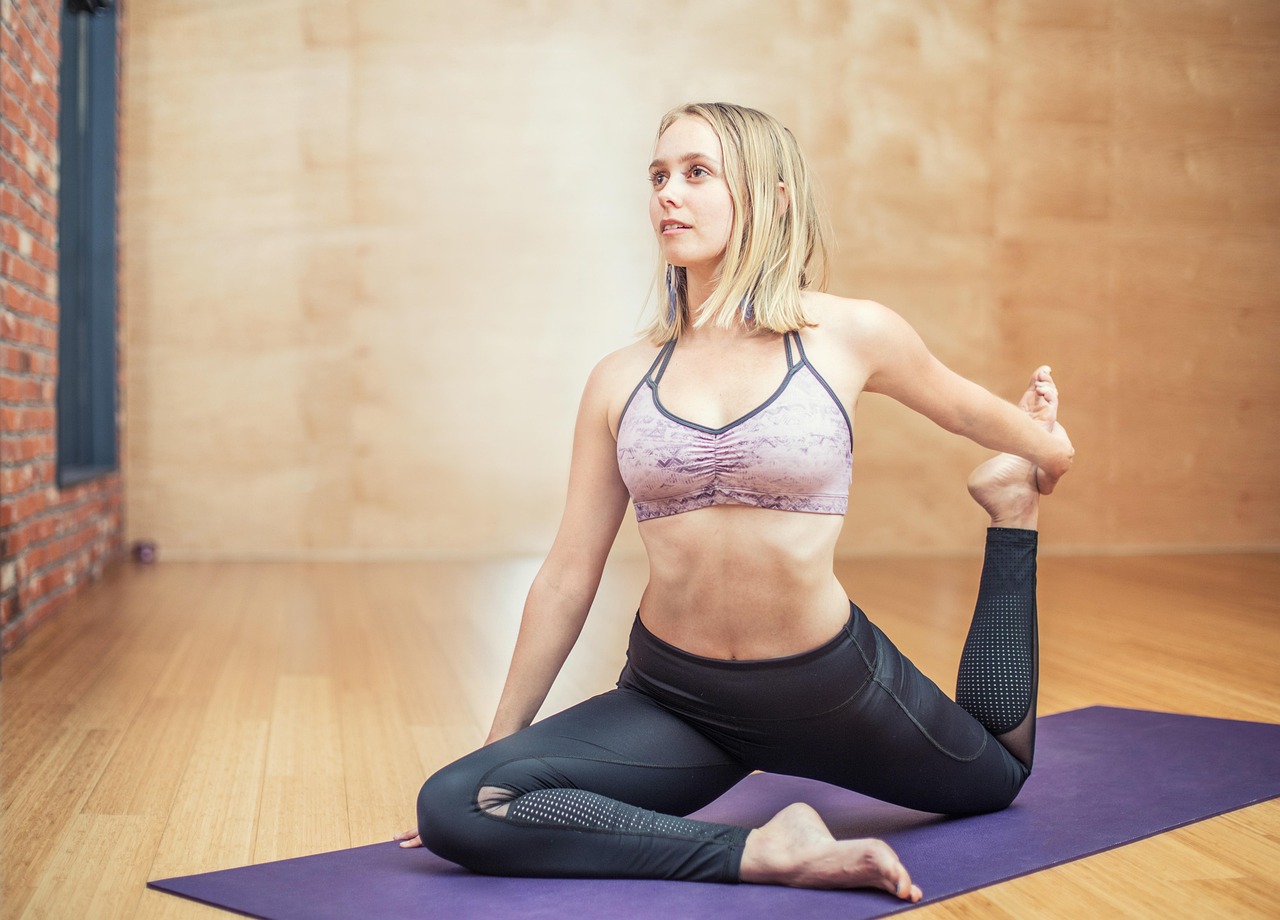
Many women wonder how Kegel exercises compare to other postpartum fitness techniques. Options such as Pilates, yoga, and aerobic workouts can offer substantial benefits but focus on different aspects of recovery. Pilates emphasizes core strength and stability, which can be essential for proper posture during breastfeeding and carrying the baby. Likewise, yoga promotes flexibility and relaxation, making it beneficial both mentally and physically during postpartum recovery. Although these workouts can be fantastic additions, they often demand a level of physical fitness that new mothers may not possess immediately. In contrast, Kegel exercises can be conducted in isolation and do not affect cardiovascular health. Yet, doing Kegels alone won’t yield the comprehensive benefits necessary for complete postpartum recovery. To maximize results, engaging in a blended approach that includes both Kegel exercises and other workouts can significantly enrich the recovery experience. Thus, combining these methods can offer a well-rounded pathway to regaining body strength after childbirth. Ultimately, postpartum recovery is a personal journey, and each woman must choose what feels right for her own body. Listening to one’s body is paramount during this phase.
Why Consistency Matters
To experience the full benefits of Kegel exercises, consistency is key. Regular practice can establish stronger pelvic muscles, resulting in improved function over time. New mothers should set realistic goals for their Kegel workouts to avoid feeling overwhelmed. For instance, incorporating Kegels into daily routines like nursing or during diaper changes can help women remember to perform them regularly. Over time, gradual changes can lead to significant improvements. In addition to strengthening pelvic muscles, consistency also helps in developing a deeper mind-body connection, which can be particularly beneficial postpartum. During pregnancy and childbirth, women often feel disconnected from their bodies. By committing to regular Kegel practice, new mothers can regain awareness and control, promoting a feeling of empowerment. However, it’s essential to track progress and celebrate small victories, as postpartum recovery is often a slow process. Health professionals advise merging Kegel exercises with other techniques that improve overall health and well-being. Whether it’s through varied fitness classes or joint exercising with friends, maintaining a routine is crucial for sustained benefits. Overall, consistent practice will not only strengthen pelvic muscles but can also foster emotional health.
Despite their benefits, some women may experience difficulty performing Kegel exercises correctly. Misunderstanding the technique is common, which can lead to disappointment and frustration. Many women inadvertently tighten their abdominal or buttock muscles, rather than focusing solely on the pelvic floor. This can diminish the effectiveness and negates the desired benefits. It’s vital to practice the correct technique by identifying the pelvic floor muscles. This can be done by attempting to stop the flow of urine or by inserting a finger into the vagina and contracting the surrounding muscles. Additionally, seeking guidance from physiotherapists specializing in pelvic health can enhance understanding and technique. Resources like online courses or instructional videos can also be beneficial to learn effectively. Moreover, using tools such as pelvic floor weights and apps can motivate women to stick to their routines. Above all, understanding that this learning curve is a natural part of the process is essential. As with other forms of exercise, patience is key. With the right approach, every woman can experience the empowerment and benefits of correctly performed Kegel exercises.
Combining Techniques for Maximum Efficiency
Finding the most effective postpartum routine may involve combining Kegel exercises with other fitness techniques. Pilates and yoga, in addition to Kegels, can provide diverse benefits through varied approaches to restoration. For instance, while Kegels focus on pelvic floor strength, Pilates can help re-establish core stability, essential for body functionality after childbirth. Similarly, yoga offers mindfulness benefits that help reduce postpartum anxiety and stress. Jointly, these exercises create a comprehensive program that attends to mind, body, and soul. Mothers may also enjoy engaging in low-impact aerobic training such as walking or swimming, which can effectively boost cardiovascular health. Participating in group classes encourages accountability and camaraderie, making exercising enjoyable during this significant transition. Additionally, being active with other mothers can offer support during recovery, as shared experiences can foster camaraderie. Ultimately, developing a personalized postpartum fitness plan means exploring each technique’s unique attributes and benefits. Tailoring approaches to fit one’s lifestyle and goals will yield better overall results. Finding balance in exercise is important for holistic recovery and supporting long-term health routines.
In conclusion, the best approach to postpartum fitness includes both Kegel exercises and other techniques. Each method offers unique benefits that contribute to a woman’s recovery journey. Kegel exercises are highly recommended for their convenience and direct impact on pelvic health. However, supplementing them with Pilates, yoga, or light aerobic activities expands the scope of recovery and overall fitness. Thus, incorporating a variety of exercises ensures engagement and enjoyment while recovering. Moreover, listening to one’s body and adapting routines to fit personal needs is paramount for any new mom. Consulting with healthcare professionals can help tailor an appropriate plan that aligns with recovery goals. This adaptive experience makes navigating postpartum fitness much smoother. Emphasizing the importance of maintaining physical health during this period cannot be overstated. By taking a proactive approach through a tailored combination of exercises, women can foster a healthier and empowering postpartum experience. They deserve to embrace their bodies positively and confidently. Every woman’s journey is unique, and celebrating each milestone throughout recovery is vital. This blend of knowledge, effort, and support will help every new mom to thrive.
Inspiration and Future Directions
As postpartum fitness continues to evolve, more research and resources emerge, providing insights into effective recovery methods. This ongoing exploration ensures that women are equipped with the proper tools and knowledge required to navigate postpartum recovery. Community initiatives and support groups encourage mothers to share their experiences, thereby creating a supportive environment for navigating challenges. Online platforms and social media have facilitated discussions on postpartum fitness, making valuable resources accessible to many. This collective intelligence is invaluable as it encourages women to take charge of their fitness journeys. Furthermore, many fitness professionals are now specializing in postpartum recovery, offering tailored programs that prioritize women’s health needs. As the conversation around maternal health expands, the integration of diverse training techniques and evidence-based approaches will be prioritized even more. Women should take an active role in shaping their postpartum experiences and advocating for better resources within health care systems. As research continues, the focus should always remain on empowering women and celebrating their strength during this remarkable transformation. Ultimately, each woman deserves a supportive network, expert guidance, and the tools necessary for an enriching postpartum journey.