
How to Incorporate Mindfulness into Restorative Yoga
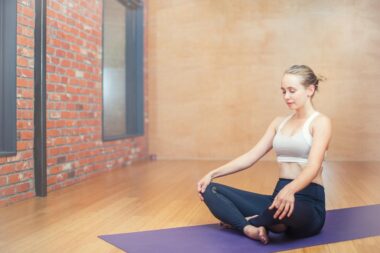
Restorative Yoga is a practice designed to promote relaxation and healing while facilitating a state of mindfulness. To truly incorporate mindfulness into Restorative Yoga, begin by establishing a tranquil environment. This can include dim lighting, calming scents with essential oils, and a quiet space free from distractions. Consider adding gentle sounds, like those of nature or soft music, to enhance relaxation. As you settle onto your mat, take a moment to check in with your body and breath while softly focusing your awareness on the present moment. Paying attention to the sensations throughout your body will help create a stronger connection to your mind and spirit. Begin your session with a gentle breathing exercise to help center yourself before moving into Restorative poses. Maintain awareness throughout the practice, observing any thoughts that arise and gently letting them pass. Mindful breathing plays a crucial role; inhale and exhale deeply, allowing yourself to fully relax into each pose. Having props nearby like bolsters, blankets, and straps can deepen your restorative experience for greater comfort during practice.
Integrating intentional pauses during your practice can significantly enhance mindfulness in Restorative Yoga. When you enter each pose, allow yourself to pause and check in with how your body feels. Are you comfortable? Do you need to adjust your position? Taking these brief moments ensures you maintain mindfulness, resulting in a deeper experience. Sometimes, it may be beneficial to add a meditation element to retain focus. Incorporate mental practices such as visualization, where you might imagine a peaceful landscape or a serene moment from your life. This technique promotes deeper relaxation while centering your thoughts. As you transition between poses, take a few moments to remain still and breathe. Use this time to observe your thoughts without judgment, guiding your awareness back to your breath when distractions occur. Additionally, experimenting with different durations for each pose can help you discover your personal balance of mindfulness through movement. Remember, restorative poses can be held for five minutes or more, allowing your body to absorb the benefits. This approach encourages patience and recognition of any fleeting thoughts. Allow yourself to settle into the rhythm of being, enjoying the stillness and surrender.
Mindful Poses for Enhanced Relaxation
Certain restorative poses can further enhance mindfulness, offering profound effects on both the body and mind. Child’s Pose is an excellent starting position, inviting a sense of safety and introspection. While in this pose, focus on long, slow breaths, feeling the gentle connection with the ground beneath you. A forward bend or seated twist can help release mental tension, further promoting mindfulness by concentrating on the breath flow and physical sensations. Legs Up the Wall is another incredibly restorative pose that encourages relaxation while simultaneously grounding the mind in the present. As gravity helps circulate blood flow, allow your thoughts to settle, observing your breath as it creates a calming rhythm. You may also explore supported Bridge Pose, which can help expand the chest and invite deeper breaths. Remember to engage with each pose holistically, paying close attention to the areas of tension and relaxation in your body. Each restorative pose serves as an invitation to return to mindfulness, fostering awareness, acceptance, and inner peace in each moment. Mindful movement not only benefits physical practice but also nurtures emotional and mental clarity.
Incorporating mindful affirmations during Restorative Yoga can deepen the overall experience. As you settle into each pose, consider repeating calming phrases that resonate with you, such as, ‘I am at peace,’ or ‘I release all tension.’ These affirmations act as anchors of positivity, allowing your mind to stay focused on self-care rather than worries or distractions. Consider utilizing guided imagery during your restorative sessions to further enhance mindfulness. Visualize a serene setting, whether it be a peaceful beach or a calming forest, inviting the sights and sounds of that imagery into your practice. Allow yourself to fully immerse in the mental environment you create, deepening your sense of connection to the rest of the world. It’s essential to return to your breath and affirmations when engaging in these exercises, ensuring that your awareness stays rooted in the present. Engaging in this practice regularly will cultivate not only a stronger relationship with your body and mind but also foster a deeper appreciation for the simple moments of life. With time, these mindful techniques will become second nature, leading to a sense of awareness both on and off the mat.
Journaling as a Mindfulness Tool
Another powerful way to incorporate mindfulness into Restorative Yoga is through journaling. After your practice, take time to document your experiences and feelings during your session. Writing helps process emotions and thoughts that may arise, making you more attentive to your inner self. Jot down any insights, challenges, or moments of stillness you encountered, allowing you to track your mindfulness journey over time. Creating a dedicated ritual around journaling enhances your commitment to practicing mindfulness. Consider lighting a candle or using a specific notebook designated for your reflections, which can foster a deeper connection to yourself. Set aside time daily or weekly to review your entries, identifying patterns or themes that may emerge. This practice not only reinforces mindfulness but also allows for self-exploration, helping you understand the ways in which yoga impacts your mental and emotional landscape. Often, engaging with your journal can serve as a fantastic way to transition from the peacefulness of yoga back into daily life. Incorporating journaling into your practice creates a holistic approach, enriching not only your yoga experience but also your overall well-being.
Mindfulness during restorative yoga enhances the experience so deeply that it transforms how you relate to everyday occurrences. Integrating awareness into daily life can create a ripple effect, promoting mindfulness beyond the mat. Some techniques include conscious breathing or reminding yourself to notice sensations as you move through daily activities. For instance, when washing dishes, focus on the temperature of the water or the texture of the items in your hands. By cultivating mindfulness this way, you equip yourself with tools to manage stress and promote greater calmness in life. Practicing gratitude is another beneficial way to foster mindfulness, allowing you to recognize the abundance in your life. As you draw more awareness to your moments, both big and small, you can find joy even in mundane tasks. Creating these connections helps empower you to overcome stress by recognizing the beauty in simplicity. Set reminders throughout your day to pause for a brief moment, reconnect with your breath, and appreciate your existence. Enhanced mindfulness not only enriches your restorative practice but also influences your overall quality of life, leading to elevated joy and purpose in your journey.
Creating a Mindful Restorative Practice
To cultivate a consistent and mindful restorative practice, establish a routine that aligns with your schedule. Aim to set aside time each week dedicated solely to restorative yoga, emphasizing the importance of self-care. Make preparations that will support your practice—create a comfortable space, gather your props, and perhaps even set an intention for your session. Intentionality is key; each practice should stem from a conscious choice to prioritize relaxation and mindfulness. Set achievable goals for each session, whether that involves experimenting with new poses, deepening your breath, or mentally letting go of distractions. As you continue to explore and deepen your practice, adapt it to meet your evolving needs and feelings. It’s essential to remain flexible, allowing your practice to grow with you over time. Sharing your journey with friends or joining a community can provide you with support and motivation, enriching your experience further. Ensure you approach your practice with an open heart and mind, welcoming each session as a unique opportunity to nurture your physical body and cultivate mental clarity.
Ultimately, incorporating mindfulness into Restorative Yoga creates a beautiful alignment between body, mind, and spirit. This holistic approach not only provides significant benefits during your practice but also extends into every facet of life. Regular engagement with mindfulness can help diminish stress levels, improve emotional resilience, and foster well-being. Embrace the journey of self-discovery that occurs through practicing restorative poses with intentional awareness. Your yoga practice is a powerful tool for personal growth, and when combined with mindfulness, it amplifies the healing effects. Remember that each session is a unique experience, and it’s essential to honor where you are in your journey. Be gentle with yourself, allowing flexibility as you explore different poses and techniques. Over time, you will notice an increasing state of awareness in your daily life. Celebrate each moment of mindfulness through gratitude, reinforcing the positive impact it generates. As you deepen your relationship with your internal world, rejoice in the peace and clarity achieved through restorative practices. Allow yourself the space to grow, evolve, and heal, embracing the beautiful synergy between Restorative Yoga and mindfulness on your path.