
How to Perform a Jump Kick Safely and Effectively
Performing a jump kick is a dynamic and impressive martial arts technique that can effectively be used in self-defense situations. To execute a jump kick safely and effectively, one must first focus on proper warm-up exercises. This essential phase prepares the muscles and joints for the physical demands of kicking. Techniques like leg swings, deep squats, and lunges can significantly enhance flexibility and strength. Additionally, practice should include progressively building up power and height in your jumps while maintaining control. Beginner martial artists should start at a slower pace before gradually increasing intensity. Proper focus on technique is crucial; incorrect execution can lead to injuries. It’s also vital to practice in a safe environment with appropriate gear to minimize risks. Always wear protective gear like shin guards and a mouthguard while practicing jumps. You can practice with the help of a partner or a coach who can offer immediate feedback. This will help you correct your form, refine your technique, and create better muscle memory. By following these preliminary steps, jumping kicks can be performed more safely and effectively, whether you’re in training or using them defensively.
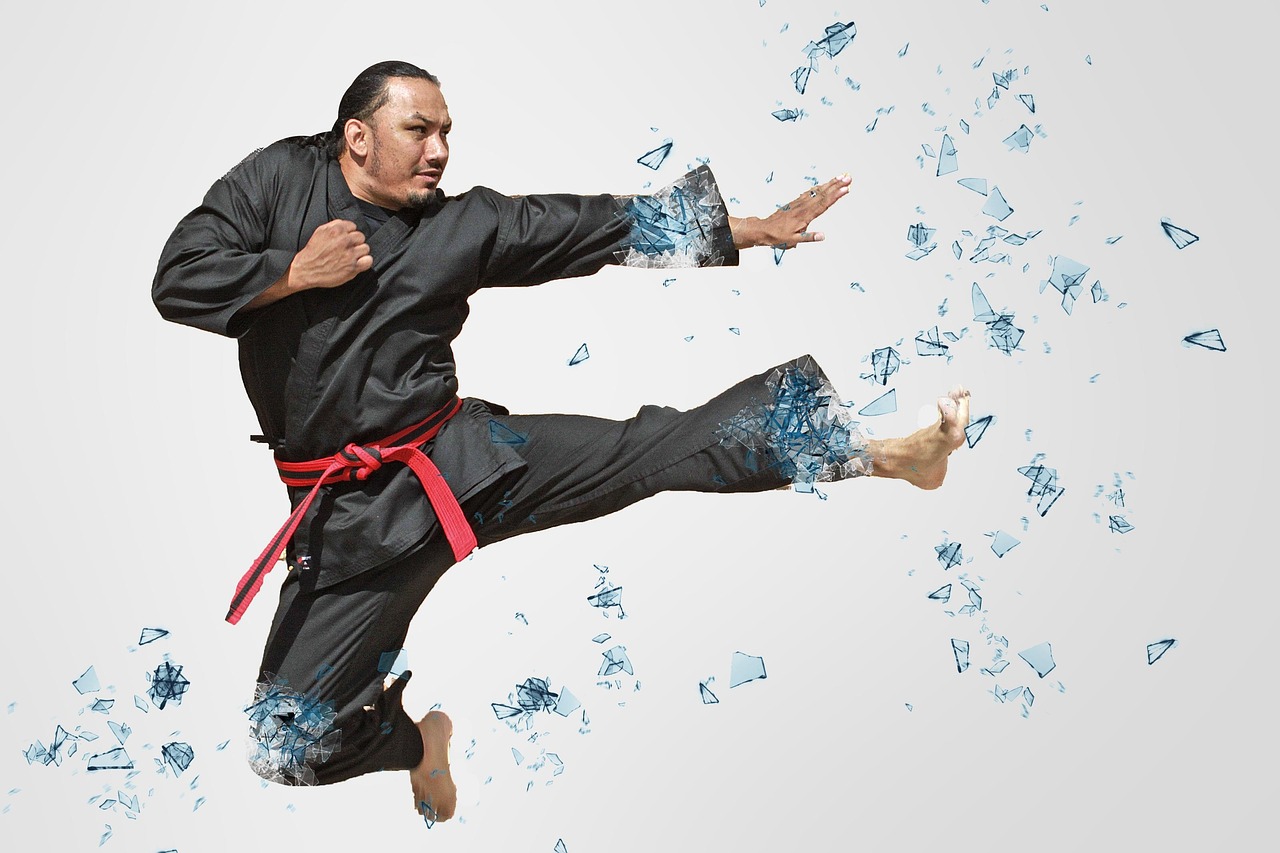
Jump kicks can be exciting to learn, but understanding the technique is crucial. This technique requires a combination of strength and technique. One essential component is the correct stance; you must begin in a stable position, typically with your feet shoulder-width apart. This stance allows for optimal balance and power when you initiate the jump. When preparing to kick, crouch slightly while bending your knees to gather energy. Use your arms to gain momentum; swinging them upward can help propel your body into the air. As you jump, aim to extend your kicking leg while keeping your non-kicking leg bent, ensuring your balance remains intact. A straight kick can generate more impact, but caution is advised to avoid losing control. Practicing this technique repeatedly will help build confidence and muscle memory, which are essential elements of martial arts training. Also, consider working on your landing technique as it can prevent unnecessary injuries. Perfecting how you land after a jump kick is just as vital as executing the jump itself, adding another layer to your overall skill set in martial arts practice.
Key Components of a Jump Kick
To master the jump kick, a martial artist must understand its key components. The jump kick has multiple aspects, including the take-off, the execution of the kick, and the landing. First, focus on the take-off phase; timing is critical in generating enough height for an effective jump. Develop a solid base by training both your legs and core, as these muscle groups play a significant role in launching your kick. Consider practicing different types of jumps, such as the tuck jump or split jump, to enhance your overall jumping ability. During execution, ensure your kicking foot is properly angled. The ball of your foot should lead, targeting with precision while keeping the heel back for protection. Maintaining a tight core throughout the jump provides stability. Finally, control your landing; aim for a soft landing by bending your knees, reducing the impact. Feet should ideally land hip-width apart for stability. As you become comfortable with each element, integrating them into one smooth motion is essential for developing a successful jump kick.
Footwork is an essential element of the jump kick. Good footwork helps generate the necessary power and momentum to perform the maneuver correctly. A well-executed jump kick begins with effective footwork that sets up the body. First, practice moving quickly into the position to initiate the jump. Shuffles, side steps, and quick pivots are techniques to master. The rhythm of your footwork should match the timing of the jump. A common mistake among beginners is failing to establish a good rhythm, resulting in poor form and ineffective kicks. To aid in improving footwork, consider engaging in drill programs that focus on agility, speed, and coordination. Jumping rope is a fantastic exercise that helps build speed, while also cooperating with timing. Furthermore, partner drills can enhance practical application. Practicing with a partner helps to simulate real-life scenarios, honing instincts while improving footwork. Integrating these exercises into your training can greatly enhance your jump kick effectiveness. Precision and agility derived from footwork will lead to more impactful and controlled jumping kicks.
Drills for Practicing Jump Kicks
Practicing jump kicks effectively requires focused drills that focus on various techniques. Start with basic jump kick drills that incorporate the foundation of the kick. One effective drill is the standing jump kick, where you start from a neutral stance, jump, and kick in mid-air towards a target, such as a pad or bag. Ensure you follow through after the kick to maintain balance upon landing. Tackling the jumping kick involves integrating these foundational exercises with progressive complexity. Gradually increase the height of your jump or the speed of your movement. Partner drills, where one individual holds a target while the other practices, can greatly enhance precision and timing. In addition to the jump kick, consider incorporating complementary exercises. These can include shadow kicking, explosive drills, or conditioning workouts that augment your core strength and leg power. Consistent practice of these drills will not only reinforce your muscle memory but ultimately improve your confidence and capability with jump kicks.
Aside from technical training, mental preparation is crucial for successfully executing jump kicks. Visualization techniques can significantly enhance your confidence before attempting jump kicks. Imagining yourself successfully performing the kick helps to build a positive mental framework. Practicing deep breathing to reduce anxiety is also effective, especially before sparring sessions or competitions. Consider incorporating mindfulness practices to enhance your focus. Understanding that fear and doubt can affect performance is vital. A clear mindset can prevent hesitation and ensure precise execution. Additionally, maintaining a positive attitude during practice encourages resilience in mastering techniques. Record your training sessions to evaluate your performance critically. This enables you to identify areas for improvement and progress over time. Staying motivated is also crucial in martial arts; set specific, achievable goals to track improvement. Celebrate even the smallest achievements, as every bit of progress contributes to your overall capability. Often, mindset plays a more significant role than physical ability in martial arts. Building self-confidence through mental preparation serves as a solid foundation for executing jump kicks more successfully.
Safety Tips While Practicing Jump Kicks
Ensuring safety is paramount while practicing jump kicks. Always warm up properly before beginning any drills; this helps to prevent injuries. Pay attention to your surrounding environments. Avoid practicing in tight spaces, which can lead to accidents. Make use of proper equipment, such as mats or pads, to cushion falls and minimize impact when practicing landing. Ensure you are wearing the appropriate gear, including supportive shoes, shin guards, and knee protection. Working with a qualified instructor is advisable, as they can provide immediate correction of form issues. Begin with basic techniques before advancing to more complex variations to build foundational skills. Listen to your body; if you experience pain or discomfort, it’s wise to stop and assess the situation. Taking preventive measures can significantly decrease the risk of injury. Consider practicing recovery techniques, such as stretches and strength conditioning, to enhance resilience. Physical conditioning can build a strong foundation for executing jump kicks. Lastly, practicing in groups can provide additional safety; training with peers encourages motivation while monitoring each other’s technique to prevent mistakes.
In conclusion, mastering the jump kick is a rewarding endeavor that requires a commitment to practice, safety, and technique. By focusing on essential principles such as strength, balance, footwork, and proper mental attitude, you can significantly improve your performance. Jump kicks are not just physical maneuvers; they embody the discipline and precision inherent in martial arts. When practiced responsibly, they can be a powerful tool for self-defense and personal expression. Always remember to seek constructive feedback from your instructors or experienced partners, as their insights can reveal areas of improvement you might miss otherwise. Continuously refine your skills by integrating various training drills while ensuring that your approach remains safe. Achieving proficiency can take time, so patience and persistence are vital throughout your training. Embrace the journey of learning, as each practice session will contribute to your growth. Ultimately, the jump kick stands as a testament to your martial arts development and discipline. So lace-up those shoes, find a suitable space, and kickstart your journey in mastering jump kicks!