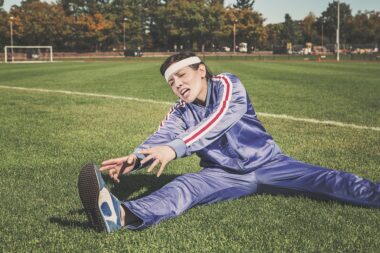

The Ultimate Guide to Mobility Drills for Injury Prevention
Mobility drills are essential for athletes who want to enhance their performance and reduce the risk of injuries. Flexibility and mobility are fundamental components of an athlete’s training regimen. By incorporating mobility drills into their routine, athletes can improve their range of motion, prevent muscle soreness, and reduce the likelihood of strains or sprains. These drills focus on the key joints and muscle groups that are often tight or overworked, allowing athletes to move more freely and functionally. Regular practice of these drills not only enhances physical capabilities but also helps in mental preparation before workouts or competitions. Implementing mobility drills should be prioritized in the warm-up phase, as well as during recovery periods. By forming a habit of completing these exercises, athletes will create a solid foundation of stability and strength. Ultimately, these mobility drills serve to prepare the body for the rigors of sports, ensuring that athletes can train harder and longer while minimizing injury risks.
Types of Mobility Drills
There are various types of mobility drills that athletes can utilize to address specific areas of need. Dynamic stretching is one of the most common forms of mobility work; it effectively warms up muscles and encourages increased blood flow. Some examples include leg swings, arm circles, and torso twists. These exercises focus on joint movement, preparing them for action while increasing flexibility. Another popular approach is static stretching, which should ideally be done after workouts. This aids in muscle recovery and enhances flexibility. Exercises like hamstring stretches and quadriceps stretches promote muscle relaxation and elongation. Foam rolling is another effective technique, as it helps release muscle tightness and increases blood flow. Incorporating trigger point therapy can further help athletes identify specific problem areas and work through tightness. Additionally, visualization techniques can assist with mobility drills, enabling athletes to mentally prepare and enhance their physical abilities. Finally, integrating yoga or Pilates into a training regimen can significantly improve overall flexibility and mobility, creating a well-rounded approach to injury prevention.
Before beginning any mobility drill routine, it’s important to conduct a functional assessment. This allows athletes to identify specific tight or weak areas, thereby helping them select the most effective mobility drills. A simple self-assessment can be performed by observing one’s range of motion in joints or trying specific stretches. Working with a coach or a physical therapist can further assist in pinpointing personalized mobility needs. Each athlete’s mobility routine should include various planes of motion to ensure a comprehensive approach. For instance, hip mobility is crucial for an array of sports, so exercises targeting this area can include hip circles, deep squats, and lunges. In addition, shoulder mobility is equally important; drills like wall slides and band pull-aparts can promote flexibility in the upper body. Athletes should strive for a balanced mobility routine that encompasses major joints including the ankles, knees, hips, spine, and shoulders. As athletes progress, their mobility work should evolve in complexity and intensity to continuously challenge their bodies, leading to further gains in performance.
Routine Example
Formulating a mobility routine may seem overwhelming, yet it can be simplified into a concise and effective format. A well-rounded mobility routine could start with a five-minute dynamic warm-up, incorporating exercises such as arm swings and leg swings. Next, spend ten minutes on specific mobility drills tailored to individual needs; this could encompass dynamic stretches or mobility exercises focused on the hips and shoulders. After completing the targeted mobility work, it can be beneficial to dedicate a few minutes to foam rolling. Concentrate on areas most prone to tightness like the calves, quads, and back. Transitioning into static stretching for the remaining ten minutes of the routine promotes recovery and flexibility. Finally, incorporating breathing exercises will further enhance relaxation and overall well-being. This routine should be practiced consistently, ideally three to four times per week, to effectively develop mobility gains. Tracking progress can also motivate athletes to stay committed and encourage consistency, which is vital for reaping the benefits of these exercises.
In addition to the physical benefits, mobility drills play a vital role in mental preparation for athletes. Engaging in focused mobility work not only improves physical performance but also provides an opportunity to mentally visualize upcoming athletic challenges. Practicing mindfulness during mobility drills fosters a strong mind-body connection, increasing awareness of bodily movements and positions. This heightened awareness allows athletes to better understand their limitations and capabilities, enabling them to optimize their training. Incorporating mobility drills into an athlete’s daily routine can cultivate a positive mindset, transforming perceived barriers into challenges to overcome. Moreover, this consistent practice leads to greater confidence in one’s abilities. A strong mental approach also reduces anxiety and mental fatigue that often accompany intensive training phases. Thus, flexibility and mobility drills contribute to creating well-rounded athletes who are prepared for the psychological demands of competition. Mental resilience can be a game-changer, enhancing focus and motivation in those crucial moments of performance.
Conclusion and Recommendations
In summary, mobility drills are vital for athletes seeking to enhance performance while minimizing injury risks. These exercises should comprise a significant portion of any athletic training program. Consistent mobility work not only facilitates flexibility and range of motion but also contributes to mental preparedness. Athletes should aim to develop personalized routines that encompass various stretches and mobility exercises tailored to their individual requirements. Engaging both dynamic and static exercises will provide comprehensive support for optimal performance. In addition, pairing mobility drills with recovery techniques like foam rolling can ensure that muscles remain functional and resilient. It’s essential to prioritize mobility and flexibility after each training session while dedicating time on rest days to recovery practices. Finally, athletes should stay educated about new mobility techniques and practices to continuously innovate their training regimen. Overall, integrating a thorough mobility strategy results in a stronger, more capable athlete ready to face any competitive challenge. By committing to this routine, athletes will not only prevent injuries but also unlock their full physical potential.
As athletes begin their journey with mobility drills, it’s crucial to remember the importance of listening to one’s body. Every individual has different needs and limitations, and not every mobility drill will be suitable for every athlete. Observing what works best for one’s body and making adjustments is key to long-term success. Additionally, collaborating with coaches or trainers who specialize in mobility work can provide valuable insights and guidance. Athletes should be empowered to advocate for their mobility needs within training programs, ensuring that sufficient time is allocated to address these critical components. Consistency is paramount, and encouraging fellow athletes to join in mobility practices can foster a supportive atmosphere. Transforming mobility work into a group activity can also promote camaraderie, making these drills more enjoyable. Lastly, documenting progress helps illustrate improvements, which can inspire continued commitment. Establishing clear goals allows for a structured approach to mobility training, ensuring that athletes remain focused and motivated. Ultimately, prioritizing mobility will lead to improved athletic performance and a sustainable career.