
Stretching Routines for Athletes: Pre-Game Preparation
Stretching is an essential component of an athlete’s pre-game routine that prepares both body and mind. Engaging in proper stretching helps improve flexibility, reduces the risk of injury, and enhances overall athletic performance. Athletes should incorporate a mixture of dynamic and static stretches based on their sport and personal needs. Dynamic stretching emphasizes movement and is performed before games or competitions, while static stretching is best after activities to maintain flexibility. Ignoring stretching can lead to tight muscles, which may result in injuries. Effective pre-game routines also help mentally prepare athletes for upcoming challenges. Proper warm-up routines should begin with light aerobic activities followed by dynamic movements. Moreover, athletes should tailor their routines according to specific pre-activity needs. It’s crucial to execute each stretch properly, focusing on smooth and controlled movements for maximum benefits. Incorporating both upper and lower body stretches ensures overall readiness. When developing your pre-game stretching routine, consider factors such as duration, intensity, and personal comfort. Listening to your body is key, making adjustments to adapt as necessary. Practicing these methods ensures vital readiness before any competitive event.
Dynamic stretching is a critical element of effective pre-game routines. This form of stretching involves movements that mimic the actions of the sport in which the athlete will engage, thereby increasing blood flow to the muscles. Incorporating movements like leg swings, arm circles, and high knees can create the right conditions for optimal performance. These exercises help increase heart rate and prepare muscles for the intensity of competition. It is essential to focus on controlled movements rather than extreme stretches. A minimum of ten dynamic stretches targeting major muscle groups ensures thorough preparation. For example, lunges with a twist effectively stretch the hip flexors while promoting mobility in the spine, making them suitable for most athletes. Additionally, activating muscle groups more directly involved in the sport enhances performance capabilities. Ideally, athletes should perform dynamic warming up for at least 10 to 15 minutes; this time may increase for those in physically demanding sports. Furthermore, variations in speed, balance, and coordination can be integrated throughout the routine. Ultimately, regular practice of dynamic stretches fosters familiarity, improving efficiency during events. Establishing a consistent routine optimizes the athlete’s chances of peak performance across all competitive platforms.
Static Stretching Techniques
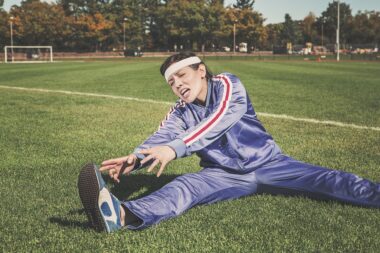
Integrating static stretching into a post-activity routine is equally important as pre-game preparation. Static stretching involves holding a position for an extended period, typically 15 to 30 seconds, and it helps maintain or increase flexibility. After the intensity of a game or workout, muscles often contract and tighten, making it vital to include these stretches to aid recovery. Targeting major muscle groups, such as hamstrings, quadriceps, and shoulders, can benefit athletes tremendously. For optimal effectiveness, static stretches should be performed after a warm-up or cool-down. Popular static stretches include the seated hamstring stretch, standing calf stretch, and shoulder stretch. These can effectively release muscle tension and prevent soreness post-exercise. Consistency in post-session stretching greatly contributes to long-term flexibility development. Over time, athletes may find improved range of motion, which is beneficial for performance. It’s essential that athletes remain mindful of their stretch form while performing each exercise to avoid injury. Additionally, incorporating breathing techniques can enhance the relaxation aspect of static stretching. Creating a habit of post-game static stretching will promote recovery and readiness for future sessions, improving overall athletic longevity.
Another effective way of structuring stretching routines involves focusing on specific muscles engaged during different sports. For example, runners should prioritize calf, hamstring, and hip flexor stretches to support their movements, whereas swimmers may emphasize shoulder and back stretches. Understanding the sport’s demands and tailoring the routine accordingly ensures athletes maximize benefits. Each sport includes distinct motions that subject specific muscle groups to stress, and addressing these areas helps in injury prevention. By analyzing sport-specific body mechanics, athletes can identify weaknesses or tight areas that may benefit from targeted stretching. Incorporating foam rolling and myofascial release techniques can also significantly aid flexibility. Using foam rollers helps release muscle knots, allowing for better stretching outcomes. Thus, combining various techniques increases range of motion and reduces recovery time. Engaging with a coach or trainer to customize stretching routines can yield further benefits. An informed approach helps athletes maintain peak performance levels throughout their seasons. Ultimately, athletes engaging in pre-game preparations that emphasize a holistic approach will find themselves more prepared for challenges. Adequate stretching prepares the body, enhancing competitive outcomes and helping athletes achieve their personal best.
Incorporating Breathing Techniques
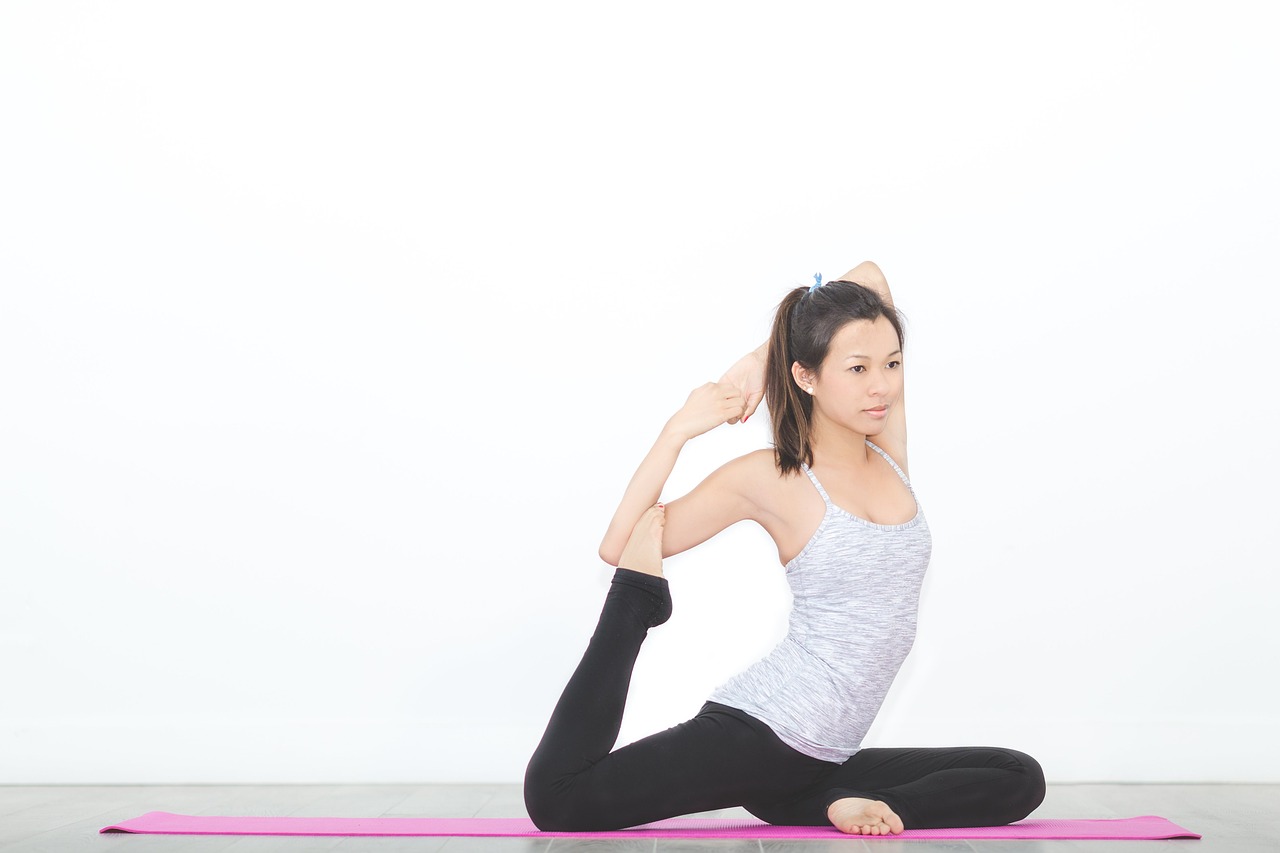
Effective stretching routines can further enhance performance by incorporating breathing techniques. Focusing on breath helps calm the mind and increases focus and relaxation during practice. Slow, deep inhalations followed by controlled exhalations can assist in maintaining the body in a relaxed state while stretching, improving overall effectiveness. Athletes should breathe into their stretches, ensuring that they fill the diaphragm with air, which can promote a greater range of motion in their muscles. Practicing mindfulness through breathing techniques can encourage athletes to be more in tune with their bodies, aiding in recognizing areas requiring more focus. Furthermore, concentrating on breath during stretches can promote overall body awareness, ultimately aiding performance in competitive situations. Breathing techniques can also facilitate relaxation after intense exercise, reducing feelings of tension that may arise post-activity. Engaging in breath control techniques complements physical stretching, establishing a comprehensive pre-game and post-activity strategy. Athletes can create routines encompassing breathing and stretching to optimize preparation and recovery processes. It’s essential to make this element a regular part of practice schedules to reinforce its benefits over time. Well-rounded preparation enhances an athlete’s readiness, helping achieve peak performance levels.
Lastly, athletes should consider the importance of consistency in their stretching routines. Making stretching a regular habit will lead to long-lasting benefits, creating the foundation for optimal performance. Scheduling regular sessions allows athletes to monitor progress, identify areas where flexibility may decrease, and adjust accordingly. Implementing a dedicated pre-game stretching timeline ensures all areas receive proper attention, reducing the likelihood of overuse injuries. Stretching routines should be revisited regularly, as changes in activity levels or training intensity may invite specific adjustments. Additionally, engaging in partner stretching can add variation and support while also building camaraderie among teammates. Working alongside others encourages accountability, improving the adherence to routines necessary to maintain flexibility over time. Furthermore, varying stretching techniques keeps the routine fresh and exciting, minimizing the chances of losing motivation. Athletes should document their stretching practices to track improvements and setbacks, refining their methodology accordingly. Ensuring that each routine feels personally beneficial fosters consistency and dedication. Establishing these practices cultivates proactive engagement and enables athletes to prioritize their biomechanical health. Ultimately, well-executed stretching routines foster longevity and enhanced competitive capabilities across all sports and activities.
Integrating technology into stretching routines can bring great benefits for athletes. There are various applications and devices that can guide individuals through effective stretches and monitor progress. Utilizing fitness technology, such as smartwatches or mobile apps, allows athletes to streamline their routines, ensuring they remain disciplined. These resources can provide personalized stretching recommendations based on data inputs, ensuring targets are met effectively. Incorporating visual aids can also enhance understanding of stretch techniques, as athletes can visually compare their form to expert demonstrations. This access to technology offers valuable support for those who may struggle with proper execution. Furthermore, wearable recovery technology can assist in identifying areas needing more attention, enabling athletes to customize their routines accordingly. Using such innovations, athletes can cultivate a more scientific approach to flexibility and stretching. Regularly checking progress helps maintain motivation and commitment to improvement. Specifically, examining flexibility metrics can provide a rationale for the time spent on stretching. By leveraging technological advancements, athletes can drive their performance to new heights while maintaining a focus on injury prevention. This holistic approach ensures athletes engage proactively in their health, leading to better outcomes both on and off the field.
In conclusion, stretching routines are vital for athletes aiming to enhance their performance. Properly executed stretching can facilitate flexibility, reduce the risk of injuries, and aid in recovery between sessions. Establishing a series of dynamic stretches prior to competition prepares muscles for action and mentally sharpens focus. Following up with static stretches post-activity allows for essential recovery, maintaining a balanced muscular system. When focusing on sport-specific needs, athletes can ensure that their routines are relevant and effective. Incorporating breathing techniques can yield additional benefits, promoting relaxation and greater body awareness. Consistency is fundamental for lasting improvements, and including technology empowers athletes to monitor their progress and refine their techniques. By adopting a holistic approach to stretching routines, athletes can fully optimize their physical capabilities, maximizing their potential for success. The cumulative benefits achieved through consistent attention to stretching enhance overall performance, recovery, and long-term health. It is imperative for athletes to integrate these practices into their training regimes diligently. Ultimately, an informed and well-structured approach to stretching routine facilitates better outcomes, nurturing athletes’ physical and mental well-being over time. This comprehensive methodology will lead to sustained success in competitive environments.