
Adapting Group Fitness Classes for Your Home Workout Routine
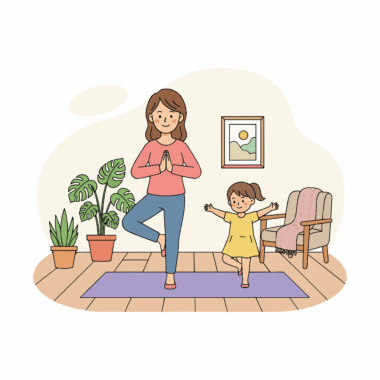
In recent years, home workouts have surged in popularity, particularly with the emergence of various fitness communities. Adapting group fitness classes for a home environment can provide you the same sense of camaraderie and motivation as traditional gym settings. To create an engaging atmosphere at home, consider setting up a designated workout space with proper lighting and minimal distractions. Adding motivational posters or your favorite music can also enhance your workout experience. Additionally, try incorporating video conferencing tools to connect with friends or community members. This allows you to share your fitness journey, challenge each other, and create a supportive atmosphere that mimics in-person classes. Engaging in workouts with others, whether virtually or through pre-recorded sessions, helps maintain accountability, pushing you to stay committed to your fitness goals. Remember, a supportive fitness community can tremendously influence your consistency and motivation, establishing long-lasting habits that extend beyond workout routines. As you embark on this home fitness journey, stay open to experimenting with different styles of workouts to discover what resonates most with your personal preferences and goals. Reap the rewards of both physical and mental well-being as you adapt and thrive.
Moving from Group to Home Workouts
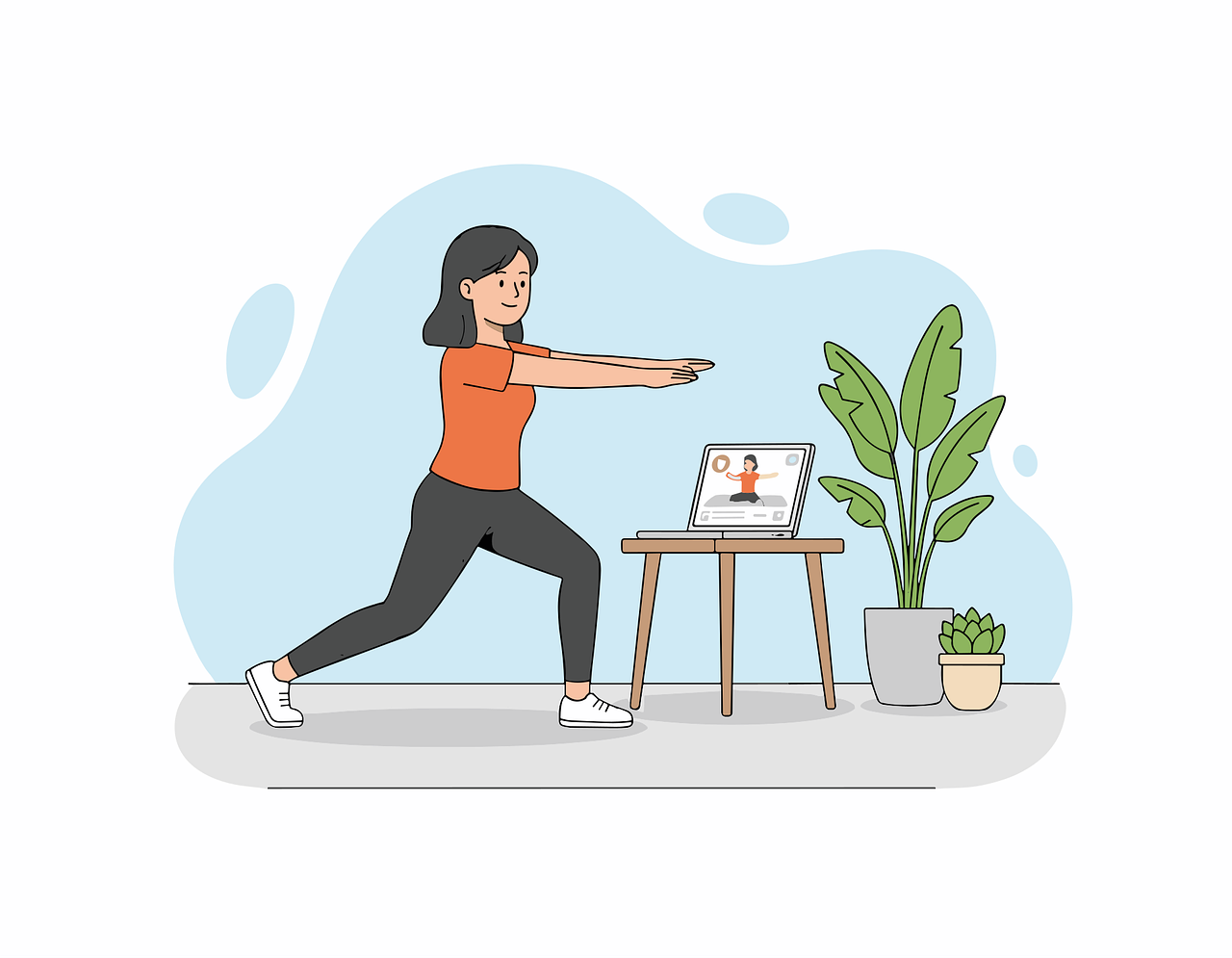
Transitioning from group fitness classes to individual home workouts requires a strategic approach. To ensure you’re maximizing your home workout experience, start by evaluating your previous group workouts. Identify the elements that motivated you the most, such as specific exercises, group dynamics, or a friendly instructor. By understanding the aspects you enjoyed, it becomes easier to recreate those in your home setting. Create a calendar incorporating a variety of workout types that mimic the intensity and structure of group classes. This allows for diverse training and prevents boredom, keeping you engaged in your routine. Don’t forget the importance of warm-ups and cool-downs, just as you would in a group setting, as these elements reduce the risk of injury. Furthermore, consider utilizing online classes or platforms that provide guided group sessions tailored for home use. These resources can offer structured workouts that may add that group feel without the need to leave your home. Seek out virtual classes or trainers to stay within the community while enjoying the comfort of your own space. Embrace this transition as a pathway to evolving your fitness journey further.
Equipment can play a crucial role in transitioning to home workouts effectively. While many group fitness classes utilize various pieces of equipment from weights to resistance bands, begin by assessing what you have at home. There are countless exercises you can perform using bodyweight, which serve as an excellent starting point for building strength and improving fitness levels. If possible, invest in basic equipment like dumbbells, kettlebells, or resistance bands. These items can significantly enhance your workout and offer versatility for a variety of exercises that simulate group classes. Explore online marketplaces for second-hand equipment to save money while purchasing quality items. That said, don’t let the lack of equipment be a barrier to your progress; focus on bodyweight exercises, incorporating variations such as push-ups, lunges, and squats to challenge yourself fully. Additionally, many fitness communities share creative workouts using common household items that can serve as substitutes for gym equipment. Engage with these suggestions and adapt them to your routine, building a holistic and cost-effective workout plan. This adaptive mindset is key in overcoming challenges presented by the home workout environment.
Creating a Structured Home Workout Schedule
Having a structured schedule is fundamental to maintaining a consistent home workout routine. Without the naturally built-in structure provided by group classes at a gym, it’s essential to design a plan tailored to your preferences and lifestyle. Start by allocating specific days and times for your workouts, treating them as unmissable appointments. A calendar can be a helpful tool for visually mapping out your week, making it easier to stick to your commitments. Consider varying the types of workouts across the week, alternating between strength training, cardio, and flexibility exercises. This variety helps to prevent burnout while engaging different muscle groups. Additionally, scheduling rest days will allow your body time to recover and rebuild, essential for progress. Incorporating active recovery like yoga or light stretching on these days can also aid in muscle relaxation and improve flexibility. Don’t forget to check in with yourself regularly to adapt the schedule as necessary, ensuring your fitness journey remains enjoyable and effective even in your home environment. Flexibility in your plan will keep motivation high as you continue your fitness exploration.
As you develop a home workout routine, consider utilizing technology to enhance your experience. Numerous apps and online platforms offer virtual classes, workout tracking, and community support that can help bridge the gap from gym sessions to home exercises. Utilizing fitness apps can also allow you to track your progress effectively. This includes recording personal bests, taking note of workout durations, and even monitoring caloric expenditure. Setting achievable short-term goals through these tools will keep you motivated and engaged in your workouts. Explore social media platforms, as many fitness instructors and enthusiasts share tips, tricks, and challenges that you can participate in from home. Joining online communities focused on fitness can also foster connections with like-minded individuals who can motivate and inspire you during your home workouts. Regularly participating in fitness challenges can help mimic the fun competitive atmosphere of group classes while providing additional accountability. As technology continues to evolve, so too will the opportunities available for enhancing your home fitness experience. Stay engaged and seek resources that excite you most, transforming your journey into a rewarding adventure.
Maintaining Motivation and Accountability
One of the greatest challenges when transitioning to home workouts is maintaining motivation and accountability. In a group fitness class, the presence of others can significantly boost your motivation levels. To counteract this in a home setting, consider creating workout accountability partnerships with friends or family members. Schedule regular check-ins to share progress, challenges, and successes. This simple action can help encourage you and keep you committed to your fitness goals. Furthermore, utilize social media platforms to showcase your workouts and celebrate your accomplishments. Sharing your journey publicly can foster accountability and inspire others while building a supportive online fitness community around you. Don’t hesitate to reach out for or provide encouragement to others; support can be incredibly motivating. Additionally, consider setting specific fitness challenges, such as completing a month-long activity or specific exercises. These challenges will not only keep your interest piqued but also deepen your engagement. Remember, adapting to home workouts may take time and resilience, but with consistent effort and your support network, you can achieve incredible results and foster a sustainable workout habit.
Lastly, as the landscape of fitness continues to evolve, consider incorporating mindfulness practices into your home workout routine. Many group classes integrate elements of mindfulness, and embracing these practices can enhance your physical and mental well-being. You can begin with deep breathing exercises or meditation before and after workouts. Concentrating on your breath helps center the mind and prepares you for the workout ahead, imbuing a sense of focus. During your workout, try staying present in the moment, paying attention to each movement’s sensations, and listening to your body. This heightened awareness not only improves form and performance but also fosters a deeper connection between mind and body. Additionally, consider adding yoga or Pilates sessions into your routine, as they are excellent ways to cultivate mindfulness while improving flexibility and strength. These practices can serve as valuable additions to your regular fitness regimen, helping you sustain motivation throughout your fitness journey. By marrying physical fitness with mental wellness, you pave the way for a holistic approach to health, ultimately leading to a more fulfilling and enjoyable home workout experience.
By embracing various strategies, adapting group fitness classes for a home workout routine is achievable and rewarding. It is essential to develop a structured plan that includes support systems such as friends, technology, and mindfulness practices to maintain motivation and accountability. As you embark on this journey, remember to remain patient and flexible while also embracing your preferences and goals. These elements are vital components in establishing a long-lasting and enjoyable fitness routine. Whether you’re utilizing video classes, connecting with a workout buddy, or incorporating elements from your previous routines, find a rhythm that works for you. Engage creatively with your fitness routine, exploring new workouts and challenges to keep your journey exciting. Take the time to celebrate each milestone reached, whether big or small, as these victories will pave the way for continued growth. Ultimately, your commitment to adapting and thriving in a home workout environment can lead to personal growth, improved fitness levels, and a vibrant fitness community. Now is the perfect time to harness the opportunities that home workouts present. You’ll be amazed at how much potential lies in your ability to tailor your fitness journey to your unique lifestyle.