
Integrating Mental Health and Recovery Apps for Holistic Fitness Care
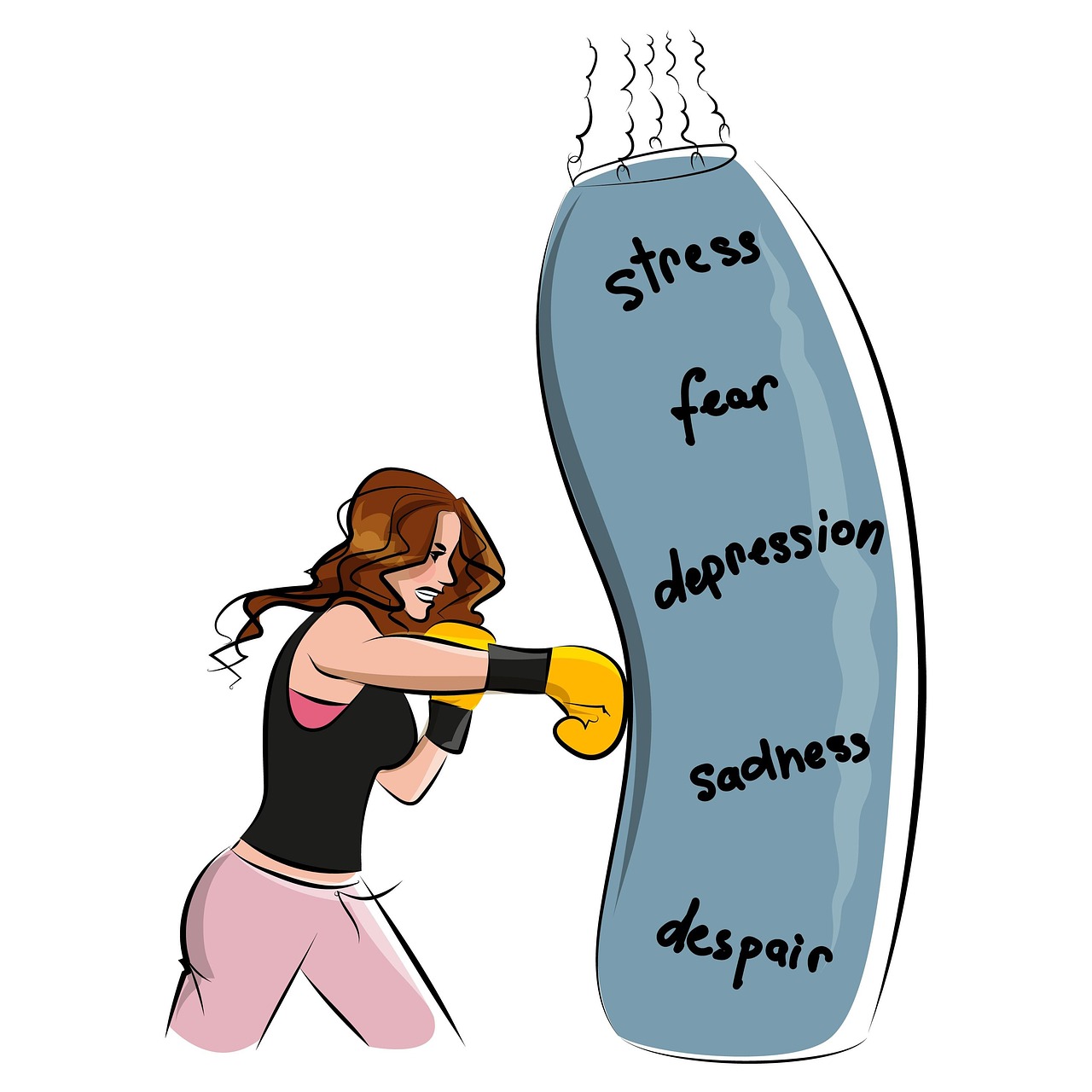
In the realm of fitness, integrating mental health support into recovery and injury prevention apps is essential. These apps not only track physical activities but also prioritize mental well-being. A broader approach to fitness combines physical training with psychological resilience, promoting a healthier lifestyle. For instance, users can utilize features such as mood tracking, stress relief exercises, and guided meditations. This multifaceted approach boosts not only recovery rates but overall performance. Keeping mental health in check aids in motivation and goal achievement. Incorporating mindfulness practices helps to establish a balanced mindset, allowing fitness enthusiasts to recover more efficiently. Furthermore, using social support features within these apps encourages users to stay connected. Users can participate in community forums and shared challenges, creating a network of encouragement. The synergy of physical and mental health is crucial in this journey, ensuring that users are not only training their bodies but also nurturing their minds. Ultimately, this integrated approach leads to sustained user engagement and better fitness outcomes, making a holistic fitness care model the future of health apps.
A significant aspect of using recovery apps is engaging with tailored programs for individuals’ mental wellness. Recovery and injury prevention apps can offer customized strategies to align with users’ unique psychological needs. By leveraging algorithms based on user behavior and progress, such apps can provide personalized recommendations. For example, after an injury, users may experience anxiety regarding re-injury. Apps can integrate cognitive behavioral techniques to address these fears, assisting in mental recovery alongside physical healing. Users are guided through specific exercises that cater to their recovery stages while being encouraged to formulate positive affirmations. Regular check-ins foster accountability and enhance motivation, establishing a supportive environment. Implementing features such as virtual consultations with therapists or trainers adds significant value, offering professional insights tailored to users’ mental health needs. Additionally, incorporating gamification within these apps engages users, transforming mundane recovery tasks into interactive challenges. The interaction helps to reduce feelings of isolation during the recovery process. Ultimately, personalized engagement significantly enhances users’ mental resilience, facilitating an effective recovery journey and promoting long-term success.
Another essential feature of recovery apps is the incorporation of educational resources pertaining to mental health and recovery practices. Users must understand the psychological impact of injuries, which can significantly affect their physical rehabilitation process. A well-rounded app should include articles, videos, and podcasts from mental health professionals discussing these implications. By informing users about the relationship between mental and physical recovery, they can better grasp the importance of inclusive approaches. For instance, providing insights into stress management techniques can help users cope with challenges. This encourages them to maintain a positive mindset during their recovery. Offering summaries of scientific studies on mental health benefits related to physical exercise can empower users to make informed choices regarding fitness practices. Additionally, apps can facilitate connections to mental health professionals, enabling users to seek help without stigma. These resources can significantly impact user engagement and adherence to recovery plans, ensuring a more profound understanding of the journey they are undertaking. Such comprehensive educational materials foster a sense of community and trust, vital aspects for long-term adherence and support.
Benefits of Mindfulness Techniques
Integrating mindfulness techniques into recovery and injury prevention apps enhances users’ overall experience. Mindfulness practices can significantly mitigate stress responses and improve emotional stability, crucial during recovery periods. Apps can provide guided meditations and relaxation exercises aimed at alleviating anxiety associated with injuries. Simple breathing techniques can be embedded, empowering users to practice them when necessary. Encouraging users to visualize their recovery progress can bolster motivation and commitment to their fitness journeys. Besides, providing reminders and prompts for daily mindfulness incorporates these practices into users’ routines seamlessly. In creating a routine that includes mindfulness, users can cultivate a present-centered awareness, aiding their emotional healing process. Furthermore, reflective journaling features can help users articulate their feelings, leading to improved emotional processing. By tracking reflections, users can identify patterns in their emotional responses related to fitness challenges. This allows for personal insights, fostering a greater understanding of how injuries affect mental health. The benefits of prioritizing mental well-being through mindfulness cannot be overstated when striving for lasting recovery. An integrative approach distinctly enhances the user experience and strengthens motivation.
Moreover, developing a supportive community within recovery apps amplifies both physical and mental rehabilitation. Features allowing users to interact, share experiences, and encourage each other are invaluable. Such peer support nurtures a sense of belonging, vital for those facing the isolating aspects of injury recovery. Community forums, where users post progress updates and personal stories, create opportunities for motivation and shared learning. This collaborative environment enhances commitment and perseverance in users, pushing them to prioritize their recovery while remaining connected. Integrating social media elements, such as sharing achievements on platforms like Instagram or Facebook, can encourage users to celebrate milestones publicly. Recognizing small victories fuels positivity, thereby aiding mental health. Additionally, organizing group challenges within the app promotes accountability, making recovery a shared journey rather than a solitary endeavor. By fostering a sense of camaraderie, users become more invested in their journeys, bolstering resilience against setbacks. Ultimately, the supportive community fosters not just individual growth, but collective healing, enhancing the experience of using recovery apps.
Gamification in Recovery Apps
Implementing gamification elements within recovery and injury prevention apps significantly influences user engagement. Users, especially younger audiences, respond positively to game-like features that make recovery more enjoyable. By integrating challenges, rewards, and levels, apps can transform monotonous recovery routines into exciting tasks. Users can earn points for completing daily exercises, participating in mindfulness activities, or logging meditation sessions. This creates a sense of achievement, bolstering motivation to adhere to recovery plans. Moreover, leaderboards can instill a healthy sense of competition among users, fostering camaraderie and interaction. Achievements tracked publicly can provide positive reinforcement, enhancing social connections and accountability. Additionally, apps may offer virtual rewards or badges for consistent progress, encouraging continued user participation. Engaging design elements interspersed throughout the app also keep users entertained while adhering to their recovery goals. The satisfaction derived from these gamified experiences can lead to improved emotional resilience. By making the process enjoyable, users are more likely to stick with their recovery plans, fundamentally altering how they associate their journeys of healing and fitness.
Lastly, ongoing feedback mechanisms within recovery apps are crucial for users’ continuous progress and mental health applications. Features that allow users to provide feedback on their experiences cultivate a sense of ownership over their recovery. Collecting user insights can also help developers refine app functionalities, ensuring that overall user needs are met. Regular assessments of mental health alongside physical recovery can guide tailored improvements. Surveys can be used to gauge users’ experiences, allowing them to express any challenges faced during their recovery with complete honesty. Providing users a platform to offer suggestions fosters an environment of transparency and continuous improvement. Additionally, using data analytics can track user patterns, helping they adjust content based on individual needs and preferences. Establishing feedback loops creates adaptive platforms that evolve with users’ desires and requirements. Ultimately, integrating continuous feedback into recovery apps not only personalizes the user experience but ensures that mental health considerations remain at the forefront of fitness care. This ongoing dialogue between users and app developers is essential to create truly holistic fitness care solutions.
By fostering a multifaceted understanding of fitness that includes mental health, integrating these features leads to enhanced user experiences. With the combined power of recovery apps and mental health components, users can engage more fully in their fitness endeavors. Acknowledging and addressing the psychological aspects during recovery ensures that individuals emerge stronger in both body and mind. This holistic approach promises to redefine how fitness apps function, paving the way for a new era of personal well-being. As technological advances evolve, the incorporation of mental health within fitness applications remains a necessary step toward comprehensive health care.