
How to Use Breathing Exercises to Calm a Child’s Anger
When children experience anger, implementing breathing exercises can significantly help them regain control over their emotions. These techniques help children understand their feelings while promoting relaxation. One way to start is by demonstrating deep breathing. Explain how deep breaths can reduce feelings of anger. Show them how to inhale deeply through the nose, hold for a moment, and then exhale slowly through the mouth. Engaging them in counting breaths can also be useful. Counting to four as they inhale and six while they exhale is a practical technique for calming down. Additionally, you can create a fun game around breathing. Encouraging them to blow bubbles, for instance, combines joy with breathing practice. This not only fosters relaxation but also redirects their attention away from anger. Furthermore, using imagery can enhance the effectiveness of breathing exercises. Ask them to imagine blowing away their anger with their breaths. Encourage daily practice of such exercises. Making it a routine can culturally embed these calming practices into their lives, equipping them with tools to manage anger effectively when it arises.
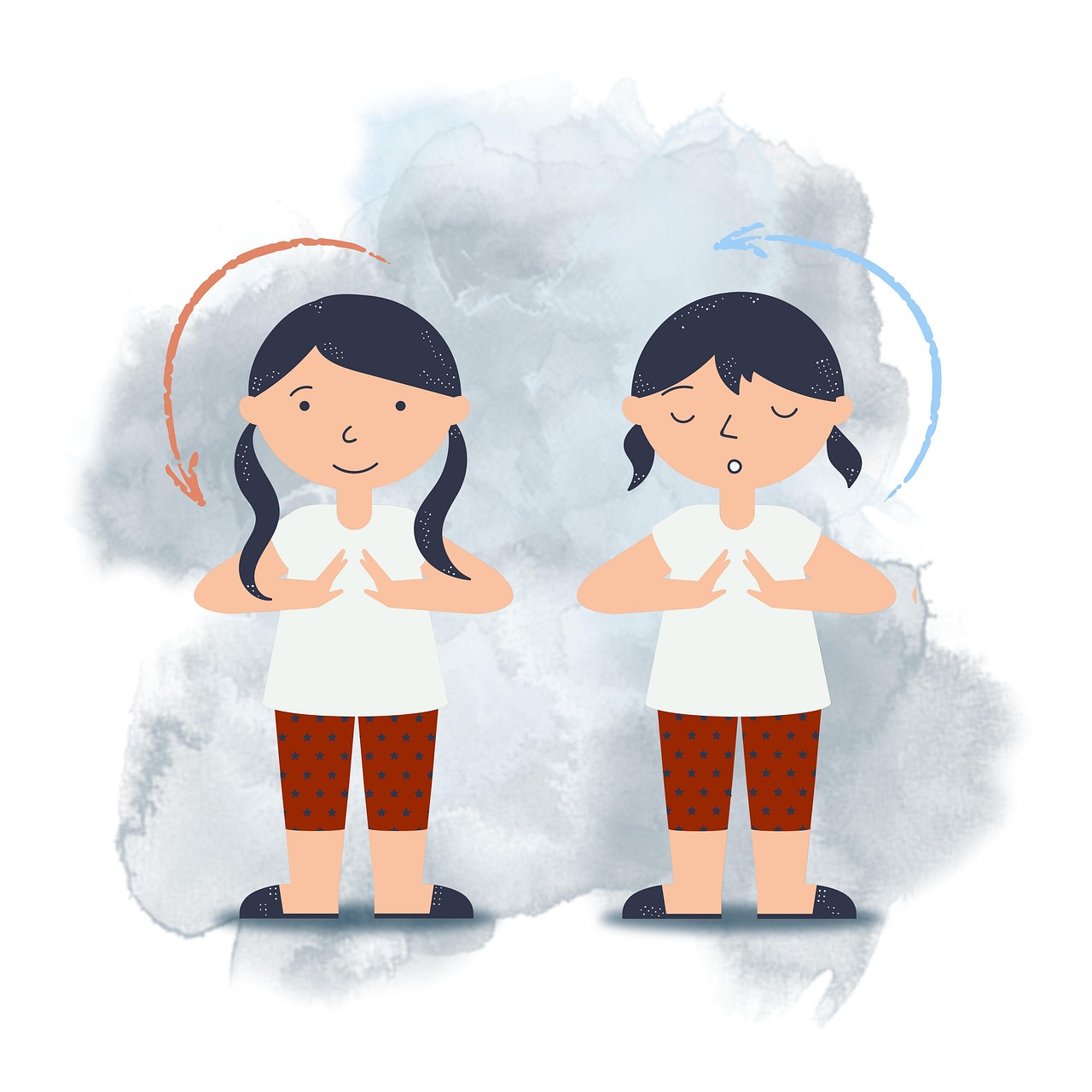
Next, it is essential to introduce age-appropriate breathing techniques. Children respond well to vibrant imagery and playful ideas. One simple exercise is the “balloon breath.” Instruct them to imagine they are inflating a balloon with each deep inhale, holding the breath for a few seconds, and then letting it out gently like a deflating balloon. This colorful visualization captures their interest and helps them focus on their breathing. Adapt these practices accordingly, ensuring they resonate with the child’s age and comprehension level. Breathing techniques such as the “star breathing” exercise can also be entertaining. Have them stretch out their hands like a star. As they breathe in, they raise a finger, and as they breathe out, they lower it. Engaging the child actively ensures they’re more likely to enjoy the practice. After attempting these exercises, discuss how they felt afterward. This dialogue reinforces their understanding and encourages them to utilize these skills on their own. Celebrate their achievements, no matter how small, in mastering these techniques to deal with anger in real-time.
It’s critical to create a calming environment for practicing these breathing exercises. Choose a quiet space, free from distractions, where the child feels safe and comfortable. It can be a cozy corner in their room or a serene spot in a park. Encourage the child to select their favorite calming objects or pictures that can enhance their mood. Incorporating soft music or nature sounds during the exercise can also create a peaceful atmosphere, helping reinforce the calming effect of the breathing techniques. By associating positive feelings with these exercises, children may become more motivated to practice them. Also, establishing a regular schedule for doing these exercises can enhance their effectiveness. Whether it’s during morning routines or bedtime, consistency is key. Allowing children to decide when they want to practice can increase their engagement. Reinforce that it’s normal to feel anger and that breathing exercises are healthy coping mechanisms. Ensure they have easy access to resources or reminders, such as a colorful poster illustrating steps. This visual cue can prompt them to remember their breathing techniques during challenging moments.
Incorporating Breathing Techniques into Daily Life
Integrating breathing exercises into daily routines can foster a long-term habit for children. For instance, encourage them to practice these techniques before stressful situations, like tests or performances. This anticipatory approach helps the child manage anxiety effectively, which is often intertwined with feelings of anger. Additionally, using these techniques during emotional moments creates powerful connections between breathing and emotional regulation in their minds. Parents should model proper breathing techniques they can mirror. Demonstrating calmness during their moments of frustration teaches children by example the importance of managing emotions through breathing. Consider making a ‘family breathing practice’ routine where everyone participates. This not only encourages bonding but also reinforces the value of these exercises. Engaging in friendly competitions or challenges surrounding breath control can make the activity enjoyable and interactive. Celebrate their progress and improvements, motivating the child to continue this journey. Over time, they will learn to recognize their feelings more maturely. Ultimately, the goal is to empower children to use these techniques on the go, transforming moments of frustration into opportunities for growth and self-awareness.
Besides daily activities, incorporating breathing exercises into storytime can be an effective strategy. Many children’s books address emotions, allowing you to seamlessly integrate breathing exercises into your readings. For example, pause to breathe deeply with the child during a particularly emotional moment in the story. This also provides a great opportunity to discuss the character’s feelings. Encourage the child to empathize by practicing their breathing while exploring the character’s emotional journey. Utilizing familiar characters allows children to feel more connected and engaged. Moreover, making breathing exercises a story-based activity can enhance their understanding and enjoyment of the techniques. If a child loves animals, encourage them to imagine breathing as their favorite animal would—such as a dog panting or a cat stretching. This imaginative approach adds a sense of playfulness to practicing breathing techniques, ensuring they feel less like a chore for your child. These memorable associations can help them recall the exercises when they need to calm their anger or frustration in real situations.
Encouragement and reinforcement will play significant roles in your child’s development of these techniques. Regularly check in with them after practice sessions, praising their efforts regardless of how effective they perceive the exercises. Providing opportunities to express their feelings about the exercises can stimulate their emotional intelligence. Discuss how they can incorporate these techniques during moments of anger, inviting them to be part of the solution process. Offering small rewards or recognition can also motivate them to keep practicing. Whether it’s stickers, extra storytime, or additional screen time, these incentives can make learning enjoyable. It’s essential to remain patient throughout this learning process, as mastery takes time. Over time, children will develop their coping strategies and approaches. Encouraging them to teach their friends or family members these techniques can solidify their understanding. By sharing their methods with others, they’ll reinforce their skills. Ultimately, each step they take in mastering breathing exercises transforms their emotional landscape. This paves the way for a more emotionally resilient, calm, and confident child.
Conclusion
In conclusion, breathing exercises offer children effective strategies to manage anger and promote emotional well-being. These simple yet powerful techniques can teach children important coping skills they can use throughout their lives. As parents and caregivers, consistently employing these exercises can help create an emotionally safe environment. By introducing engaging and age-appropriate practices, parents can facilitate their child’s journey towards emotional resilience. Encouraging children to explore their emotions while practicing breathing techniques allows for self-expression and knowledge building. Regular practice of these exercises has the potential to transform immediate emotional responses into opportunities for mindful regaining of control. It is a long-term investment in a child’s emotional and mental health. Encouragement, patience, and regularity are crucial for establishing these habits. Moreover, experimenting with different techniques ensures that your child finds the methods that resonate most with them. This tailored approach empowers children to develop their style of emotional regulation. Breathing techniques can thus help foster a more peaceful home environment, ultimately leading to a happier family unit. The lasting benefits of such practices will positively impact your child’s development.
This is a final reminder that incorporating simple breathing exercises can enrich your child’s life. Through dedication and support, each child can learn to navigate their emotions with improved confidence and ease. Helping them foster these skills now will prepare them for greater emotional challenges in the future.