
Cooling Down and Mental Relaxation
After an intense HIIT session, cooling down is vital for restoring your body and enhancing mental relaxation. Engaging in cool-down techniques like stretching or light aerobic activity helps lower heart rate and eases muscle tension. This process allows the body to transition gradually from high intensity, reducing the risk of dizziness or faintness. Moreover, these cooling methods can significantly improve overall recovery and prevent injuries. Additionally, integrating deep breathing exercises into your cool-down routine can promote a meditative state, helping to reduce anxiety and stress accumulated during workouts. Practicing mindfulness during your cool-down may enhance psychological benefits. Incorporating calming music can foster a serene atmosphere, thereby improving the overall experience. Effective recovery allows you to better prepare for your next workout. Reviewing and reflecting on your session can also enhance mental relaxation. Take time to acknowledge your achievements, regardless of their size. Such reflections can boost motivation and self-awareness. Therefore, ensure that your HIIT sessions are followed by dedicated cooling down times to promote both physical recovery and mental clarity, enriching your fitness journey and personal well-being. Embrace this essential post-workout phase for optimal results.
Effective Stretching Techniques
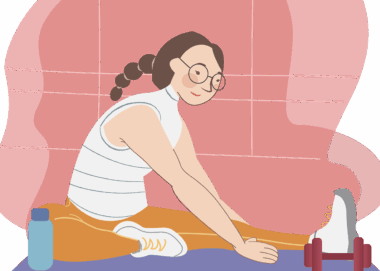
Incorporating effective stretching techniques post-HIIT can significantly promote relaxation and recovery. Begin with static stretches that target major muscle groups used during your workout, such as legs, arms, and back muscles. Hold each stretch for at least 15 to 30 seconds, allowing your muscles to relax and elongate. For example, a standing quadriceps stretch can help release tension in your thighs. Focus on gradually breathing in and out, channeling stress relief through each exhale. Additionally, consider using dynamic stretches, like arm circles or gentle hip openers, to encourage blood flow to areas that are tight. These not only help with muscle recovery but also maintain flexibility. Techniques such as the butterfly stretch can enhance your body’s mobility, which is vital for overall performance. Incorporating yoga poses like Child’s Pose or Corpse Pose can further enhance relaxation, focusing the mind on tranquility and recovery. Visualizing calming scenes during these stretches can amplify their benefits. Pairing visualization with breathing exercises allows for mental focus, contributing richly to your cool-down experience. Hence, employing these stretching techniques can profoundly benefit both your body’s recovery and your mental state.
Another essential component of cooling down after HIIT involves practicing deep breathing exercises. This method can effectively lower heart rate while promoting mental clarity. Focus on taking slow, deep breaths through your nose, allowing your belly to rise, then exhale gently through your mouth. This reduced breathing rhythm activates the body’s relaxation response. Incorporating techniques like the 4-7-8 breathing method can also enhance the calming effect. Inhale for four seconds, hold the breath for seven seconds, and exhale for eight seconds. This exercise encourages oxygen flow deeper into the lungs, which can help reduce post-workout anxiety. Additionally, visualizing a peaceful scene while practicing these breathing techniques can create a mental escape from workout exhaustion. Guided imagery can further enhance relaxation by concentrating on imagery that promotes tranquility—think of a quiet beach or a serene forest. Breathing exercises not only enhance lung capacity but also solidify mental resilience. Engaging in these practices regularly may contribute to improved performance in your upcoming workouts. Ultimately, prioritizing breathing practices in your cooldown routine will enhance your overall relaxation experience after a demanding HIIT session.
Hydration After HIIT
Post-HIIT hydration is a crucial part of recovery that directly impacts mental relaxation. When engaging in high-intensity workouts, your body loses fluids, which can lead to dehydration if not properly managed. Staying hydrated is important for muscle recovery, but it also affects cognitive functions and mood regulation. Drinking water or an electrolyte-rich beverage helps replenish lost fluids and maintains energy levels post-exercise. Consuming hydrating fruits like watermelon or oranges can offer additional benefits, as they provide vitamins and minerals that enhance recovery. Remember to sip fluid regularly rather than chugging it all at once. This gradual approach helps the body absorb water efficiently. Moreover, paying attention to your body’s signals is vital. If you feel thirsty, it’s a sign to drink. Creating a post-workout hydration plan can help you stay on track. Consider setting reminders on your phone to ensure timely refills. Infusing water with fresh fruits or herbs can also make the process enjoyable. Make hydration a priority in your cooldown routine. The combination of hydration and mental relaxation can vastly improve your overall fitness experience.
Adding mindfulness meditation to your cooldown routine can profoundly impact mental relaxation and clarity. After an invigorating HIIT session, taking a few moments to sit quietly allows you to reconnect with your body and mind. Begin by finding a comfortable position, whether sitting or lying down. Close your eyes and focus on your breath, which encourages mindfulness. By consciously acknowledging any physical sensations, stressors, or thoughts that arise, you cultivate self-awareness. This practice can significantly reduce anxiety while encouraging a peaceful state of mind. Consider using guided meditation apps that are tailored for post-workout relaxation. These resources often include specific sessions focused on recovery and mental well-being. Integrating visualization techniques during your meditation can enhance relaxation, too. Imagine shedding any leftover tension or fatigue, cultivating a sense of lightness and comfort. Sessions lasting only five to ten minutes can yield valuable benefits. Therefore, dedicating time to meditation during your cooldown can create lasting improvements in mental health and performance. Prioritize this calming practice for enriching recovery and enhancing overall well-being after your HIIT workouts.
Benefits of Slow Movements
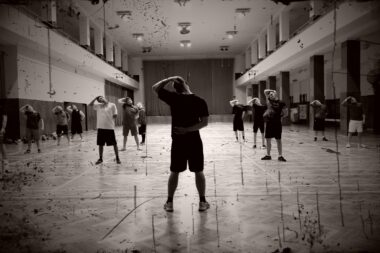
Implementing slow, controlled movements into your cooldown routine can create a soothing conclusion to your HIIT workout. This involves performing movements like gentle yoga flows or Tai Chi that prioritize fluidity and control. Slow movements activate your muscles without straining them, allowing for gradual release of tension. Additionally, combining slow movements with each deep breath emphasizes relaxation and contributes to better recovery. A gentle forward fold stretch can relieve tightness in the lower back. Corresponding with your breath, raising your arms overhead and then lowering them can yield a full-body calming experience. This approach can enhance your overall fitness routine by incorporating mindfulness. Maintaining a focus on balance while performing these fluid motions can further develop mental strength and resilience. It encourages you to find peace in each movement, promoting a healthy relationship with your body. Also, embracing this slower pace can help clear the mind, preparing for the rest of the day. Ultimately, prioritizing slow, controlled movements enhances the cooling down experience, fostering emotional well-being and physical recovery. Therefore, ensure you blend such techniques into your post-HIIT cooldown.
Lastly, incorporating a journaling practice post-HIIT can significantly contribute to mental relaxation and reflection. After completing your workout, take a few minutes to jot down thoughts about how the session felt. Writing can act as a therapeutic outlet, helping to process emotions and acknowledge efforts effectively. Consider noting specific achievements from your HIIT session, regardless of size, which can boost motivation for future workouts. Documenting challenges faced can also help in strategizing improvements. Journaling encourages pattern recognition in areas requiring focus or development. Furthermore, reflecting on emotions surrounding your workouts fosters self-awareness and understanding. Over time, this practice can lead to significant growth in both physical and mental realms. Explore various journaling styles; bullet journaling or free writing can allow different forms of expression. Create a dedicated space for your journaling practice, ensuring it feels safe and comfortable. Cultivating this habit post-exercise will serve you well in the long term. Therefore, don’t overlook the profound impact that journaling can have on both mental relaxation and personal insights after your HIIT sessions.
Conclusion on HIIT Routines
In conclusion, prioritizing effective cooling down techniques is fundamental to enhance mental relaxation after your HIIT workouts. From incorporating dynamic stretching to deep breathing, the methods outlined here provide comprehensive support for recovery. Emphasizing hydration ensures your body is dancing in fluid balance while promoting mental clarity. Adding mindfulness practices, slow movements, and journaling contributes significantly to emotional well-being. These strategies create a holistic approach, nurturing both your physical and mental states. Establishing a consistent cooling down routine enhances your overall fitness journey. Each session allows you to reflect and decompress mentally, paving the way for easier transitions to everyday stresses. The commitment to this post-workout phase not only augments your physical recovery but elevates your motivational levels. Embrace these techniques as integral elements of your fitness routine. Make the most out of every HIIT session by ensuring your body and mind receive the care they deserve afterward. As you prioritize these strategies, you’ll create a solid foundation for enhanced performance in every subsequent workout. Ultimately, your mental relaxation and readiness for future endeavors will aspire you toward achieving new fitness goals.