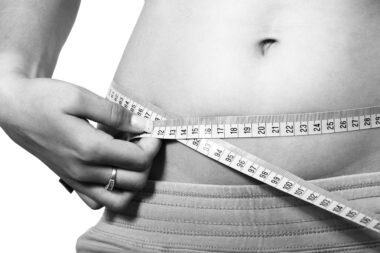

How Skinfold Measurements Can Help Track Your Body Composition
Body composition analysis is essential for understanding physical health and fitness levels. Skinfold thickness measurements are a practical method that estimates body fat percentage, helping individuals keep track of their fitness journey. This technique involves measuring the thickness of skinfolds at specific sites on the body using calipers. The results can provide information about fat distribution and overall body composition. These measurements are often more accessible than advanced methods like DEXA scans or hydrostatic weighing. Individuals can easily measure skinfolds at home or in fitness centers, making this method a popular choice for personal trainers and fitness enthusiasts alike. Regular assessment using skinfold calipers allows individuals to monitor changes in fatness over time. By tracking skinfold thickness, users can develop a better understanding of how their diet and exercise programs affect their body composition. Assessing body fat percentage through this method can provide motivation, identifying trends and results that may not be as visible through weight measurement alone. Ultimately, skinfold thickness measurements can serve as a valuable tool for anyone looking to improve their overall health and fitness.
The Importance of Consistency in Measurements
Obtaining accurate skinfold thickness measurements requires consistency for reliable results. To achieve this, measurements should be taken at the same locations on the body during each assessment. Ideally, individuals should follow a routine to minimize variations in skinfold estimates. Additionally, measurements should be taken under similar conditions, such as time of day, body hydration level, and after physical activity is minimized. To further enhance accuracy, dogs should perform a few practice attempts prior to the actual assessment in order to gain familiarity and comfort with the process. Regularly consulting with a trained professional can ensure accurate technique and help maintain consistency. By staying consistent with measurement locations and methodologies, individuals can track their progress more effectively over time. This is crucial for attributing body fat percentage changes accurately to specific lifestyle adjustments, diets, or workout regimens. Furthermore, individuals should consider using the same calipers throughout their assessments and documenting readings diligently. Documentations not only offer opportunities for comparison but also motivate individuals to remain committed to their health improvement plans while witnessing changes in their body composition results.
In addition to being an effective tool for tracking changes in body composition, skinfold thickness measurements can also help identify potential areas for improvement. By calculating the fat distribution across various body parts, individuals can better understand where they may need to focus their training or dietary adjustments. For example, an individual noticing increased fat accumulation in specific areas might indicate a need for targeted exercises along with nutrition tweaks. This valuable insight encourages a tailored approach to fitness goals, enabling practitioners to set realistic outcomes based on their unique body composition findings. Moreover, combining skinfold measurements with other health indicators, such as waist circumference or body mass index (BMI), can provide a more comprehensive picture of one’s overall health. Utilizing multiple assessments enables a well-rounded examination of an individual’s health, resulting in effective strategies for improvement. Additionally, consulting a fitness professional or nutritionist can result in personalized programming that adapts to the individual’s needs based on these insights. Taking the time to analyze body composition helps individuals create more nuanced fitness goals, leading to more effective progress tracking and healthier living overall.
Skinfold Calibration Techniques
To ensure accurate skinfold measurements, proper calibration of calipers is necessary. Calipers need regular maintenance and calibration checks to guarantee their precision. Most professional-grade calipers come equipped with a calibration feature that allows users to confirm their accuracy easily. Individuals should consult the user manual or online resources for guidelines on how to set and maintain the calibration effectively. Practitioners should also check for signs of wear on the calipers, as damaged equipment can introduce errors into measurements. Before conducting any tests, routinely evaluate the devices and ensure they continue to function as intended. Additional practices, such as checking skinfold measurement techniques and honing skills to reduce variability, incorporate a solid approach to obtaining trustworthy data. Once calibrated, it becomes easier to achieve reliable results consistently, which significantly influences progress assessments. Together with scaling, understanding the importance of skinfold site selection and pinching techniques can also contribute to reducing measurement errors. When assessing body fat percentage across time, using properly calibrated calipers ensures valid comparisons and fosters confidence in the assessment results.
It’s worth noting that while skinfold thickness measurements are a valuable resource, they have limitations. These limitations should be acknowledged to ensure the results are interpreted accurately. The technique’s effectiveness relies heavily on the skill and experience of the individual conducting the measurements. Inaccurate readings can arise from improper pinching techniques or misplacement of calipers. Additionally, factors such as hydration levels, recent physical activities, and even hormonal fluctuations can influence skinfold outcomes. Qualification of results can be improved by using the skinfold method in conjunction with other forms of body composition analysis tools. For example, combining skinfold measurements with bioelectrical impedance analysis or assessing waist circumference provides more depth regarding body composition insights. Furthermore, results should be considered as an estimate rather than an exact figure. Recognizing the fluidity of body fat changes and focusing on trends over time allows individuals to utilize these measurements more effectively. By understanding its limitations, individuals can better utilize skinfold thickness measurements as a tool in their overall health assessment strategy.
Complementing Skinfold Measurements with Other Methods
Incorporating various assessment methods can enhance the accuracy of an individual’s body composition analysis. While skinfold thickness measurements provide insights into body fat distribution, combining this with additional techniques facilitates a more rounded view. Other popular methods include hydrostatic weighing, dual-energy X-ray absorptiometry (DEXA), and bioelectrical impedance analysis. Each method offers unique advantages and inherent disadvantages, so individuals can tailor their assessments based on their needs. Hydrostatic weighing, for example, requires specialized equipment but is considered accurate. Alternatively, bioelectrical impedance is user-friendly and can be conducted at home but may vary based on hydration states. A combination of these techniques allows individuals to monitor their body composition more effectively, ensuring they receive comprehensive data. Furthermore, individuals can track their progress toward fitness goals while combining all insights to craft informed strategies. Engaging in discussions with fitness professionals is recommended to select suitable assessment methods that complement skinfold measurements. Ultimately, incorporating multiple assessment techniques leads to a deeper understanding of one’s health, potentially motivating individuals to make informed lifestyle changes.
Staying motivated and committed to health goals can sometimes be challenging. This is where skinfold thickness measurements can provide essential psychological benefits in addition to physical ones. Observing tangible progress and changes in body composition can significantly boost an individual’s motivation. As measurements show a reduction in fat and improvement in overall health, it reinforces the effectiveness of dedicated efforts and adherence to diets or exercise plans. Furthermore, creating a sense of accountability through regular assessments can be empowering, motivating individuals to remain devoted to their efforts. Establishing mini-goals or challenges based on skinfold measurement outcomes can inspire individuals to stay on track. Setting targets helps create milestones that allow for celebrating achievements along the journey toward overall health and fitness improvement. Sharing results with peers or support groups can ensure additional motivation, as positive feedback often elevates the experience. Making body composition assessments a focal point in a fitness journey fosters an environment of improvement where individuals actively seek knowledge about their health status, ultimately propelling them toward achieving their desired fitness goals.
Conclusion
Understanding body composition and utilizing effective assessment strategies is crucial for those looking to improve their health. Among those, skinfold thickness measurements serve as a robust tool for tracking changes in body fat levels and monitoring overall fitness progress. By focusing on consistent measurements and proper calibration techniques, individuals can utilize this method effectively. Analyzing skinfold trends alongside additional methods further enhances assessment accuracy. While the limitations are to be recognized, understanding how to interpret the data gained can be incredibly valuable. Moreover, the psychological benefits gained motivate individuals to commit to healthy habits. Holistically, the process offers insight into physical health while providing critical feedback for adjusting fitness programs and nutritional strategies. By following a consistent standard associated with body composition analysis using skinfold thickness measurements, everyone can improve their quality of life over time. Adapting one’s approach depending on results ultimately fosters a healthier lifestyle. With patience and commitment to the self-improvement journey, body composition progress presents opportunities that can inspire lifelong healthy living. In conclusion, effective measurement techniques encourage individuals to invest time in their fitness, allowing for future successes along the way.