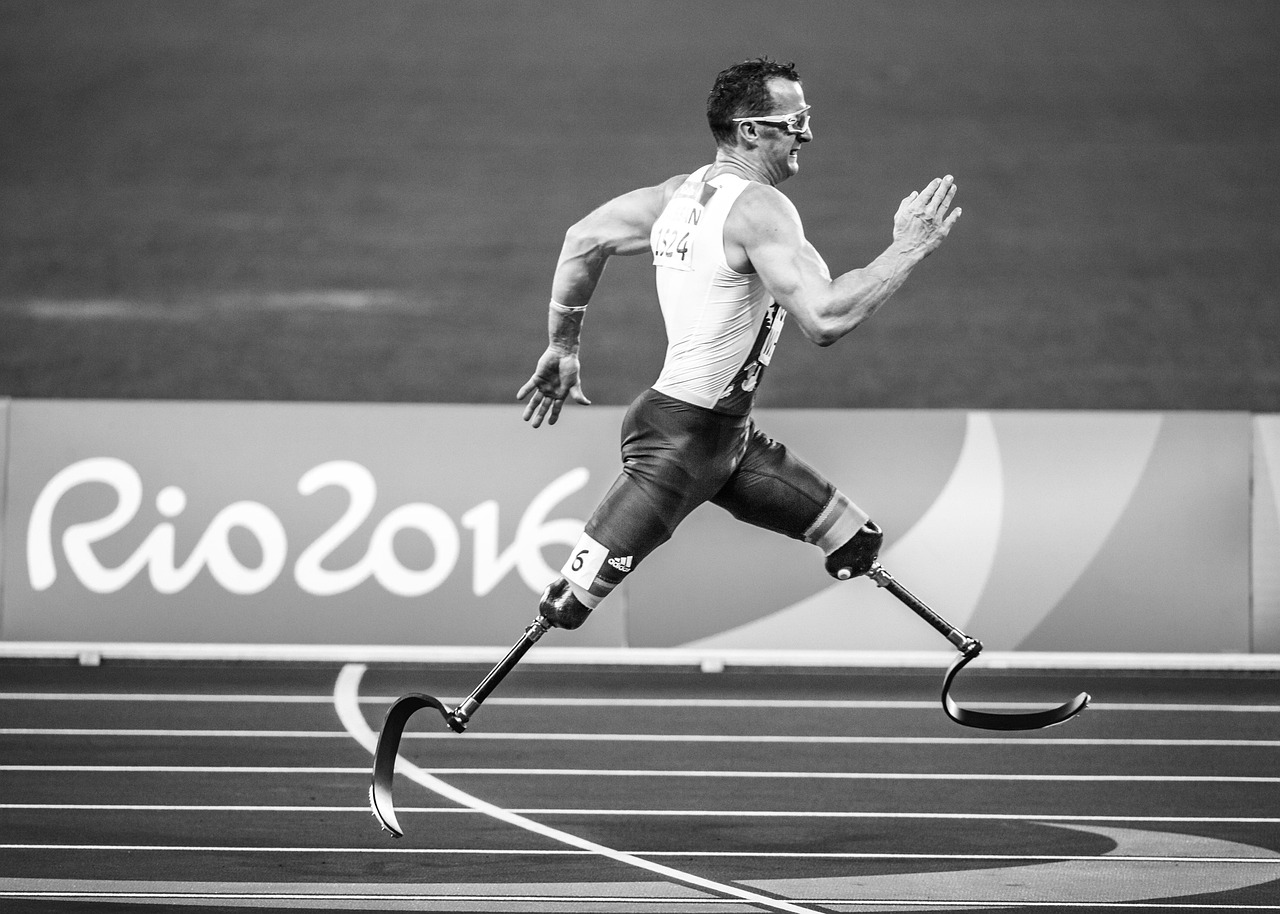

Bronze, Silver, Gold: Adaptive Sports Competitions and How to Get Involved
Adaptive sports allow individuals with disabilities to participate in physical activities, improving their health and social interaction. These events promote inclusion, offering participants opportunities to showcase their skills. In adaptive sports, athletes can compete in various categories based on their specific disabilities. Events like wheelchair basketball, sitting volleyball, and para swimming are just a few examples. Athletes can earn medals at competitions, celebrating their achievements and dedication. Opportunities vary from local leagues to national championships, providing a broad spectrum for engagement. Participation can enhance physical fitness and encourage teamwork, fostering connections among the adaptive sports community. Depending on the sport, individuals may need specific equipment to participate effectively. These adaptations level the playing field, allowing athletes to perform at their best. Coaches and volunteers play crucial roles, often ensuring participants are comfortable and safe during competitions. Many organizations are devoted to promoting adaptive sports, and they provide valuable resources for new athletes. Joining these programs can lead to friendships and a deeper understanding of disability rights and advocacy in the sporting realm. Every participant can aspire to achieve greatness in their adaptive sports journey.
Types of Adaptive Sports
Adaptive sports encompass a variety of disciplines, tailored to meet the unique needs of athletes with disabilities. Popular competitive sports include wheelchair racing, track and field, and adaptive skiing. These adaptive versions maintain similar rules to traditional sports but often employ specialized equipment to facilitate participation. For instance, athletes in adaptive cycling may use handcycles, while wheelchair basketball players utilize sport-specific chairs. Many adaptive sports offer divisions based on athletes’ functional capabilities, ensuring fair competition. Other examples include para table tennis and goalball, which cater specifically to visually impaired participants. Participation in adaptive sports can also extend to recreational activities, enabling athletes to enjoy sports in a less competitive environment. These settings help individuals build confidence, improve physical fitness, and learn essential teamwork skills. In addition to physical benefits, adaptive sports foster mental well-being, allowing athletes to develop resilience and pursue personal goals. Organizations like the Paralympic Movement are dedicated to promoting these sports globally, encouraging athletes to push their limits. Ultimately, adaptive sports provide multiple pathways for individuals with disabilities to engage with physical activity and pursue their passions within an inclusive community.
Engagement in adaptive sports competitions is not solely about the medals; it reflects personal growth and community involvement. Participants enjoy an environment that emphasizes support over rivalry, which is crucial for newcomers. Many find that these sports are empowering, allowing them to overcome personal barriers and redefine their capabilities. Achievement is recognized in various forms, from local awards to prestigious international championships. Competitions serve not only to honor athletic achievements but also to inspire others within the community. To join, individuals can connect with local adaptive sports organizations, which often facilitate training, competitions, and social events. These organizations can guide the adaptive sports journey through mentorship and resources, ensuring a smooth entry into competitive areas. Additionally, many programs offer financial assistance for equipment and training costs, reducing barriers for eager participants. Local community centers often host adaptive sports programs, making them accessible to interested individuals. Networking opportunities are abundant, providing athletes with outlets to share experiences and strategies. Friends and family are encouraged to participate as supporters, adding to the collective spirit during competitions. Engaging in adaptive sports cultivates a sense of belonging, making each participant feel valued and motivated.
Finding Local Adaptive Sports Programs
To get started in adaptive sports, it’s essential to find local programs that fit individual interests. Many cities offer community-based organizations focused on adaptive athletics. These programs often provide a range of sports, from recreational activities to competitive training. Individuals can usually find information through online searches or local disability advocacy groups. Local parks and recreation departments frequently support adaptive sports initiatives, enhancing community inclusiveness. Social media platforms and websites can also list upcoming events, training sessions, and competitions, helping accidents connect with others. Networking within these platforms can provide insights into experiences from fellow athletes. Additionally, organizations like the Challenged Athletes Foundation offer guidance for new participants, ensuring they get the most appropriate opportunities available. Connecting with trained coaches and mentors provides invaluable support, helping individuals navigate their sports journey. Furthermore, sporting events often showcase adaptive sports opportunities, allowing prospective athletes to observe sports in action. Witnessing adaptive competitions can ignite enthusiasm and inspire individuals to pursue participation actively. By engaging in these programs, aspiring athletes can build skills, develop friendships, and unlock pathways to lifelong fitness and health.
Community events centered around adaptive sports can foster camaraderie and understanding beyond the sports themselves. These gatherings often include workshops, fundraisers, or awareness campaigns. Participation in these events not only benefits athletes but also engages family members, friends, and advocates. Together, they promote a culture of inclusivity and support. Furthermore, many adaptive sports teams collaborate with educational institutions to promote awareness among students. Educational programs focus on raising respect and understanding for disability sports, emphasizing the capabilities of all individuals. These collaborations may include demonstrations, showcasing the skills of adaptive athletes, and encouraging students to engage in supportive volunteer roles. School partnerships can also lead to internships and career opportunities for individuals interested in health and fitness fields. Additionally, community involvement enhances social bonds, enriching the lives of everyone involved. Aspiring athletes who participate often develop a deeper appreciation for teamwork, discipline, and resilience. By working together, communities become stronger, embracing diversity through sporting events. Adaptive sports serve as a platform for athletes to flourish, granting them opportunities to shine and make lasting impacts within their communities.
The Future of Adaptive Sports
As adaptive sports continue to grow, advancements in technology and adaptive equipment are enhancing accessibility and performance. Innovations in wheelchairs, prosthetics, and sports gear have opened new possibilities for competitive athletes. By providing better equipment, organizations enhance the potential for athletes to excel in their chosen sports, creating exciting competitive environments. The future focuses on inclusivity and ensuring no athlete is left behind, fostering an increasingly supportive global community. Increased media recognition of adaptive sports has improved awareness, encouraging more individuals to participate. Television coverage, social media campaigns, and documentaries highlight the incredible achievements of adaptive athletes worldwide, inspiring coming generations. Increased funding to adaptive sports programs is also propelling growth, allowing for better training facilities and coaching. Organizations are working to bridge gaps between able-bodied and adaptive sports, promoting a comprehensive understanding of all athletic capabilities. As awareness spreads, individuals with disabilities will likely find even more opportunities to engage actively in their favorite sports. Communities are evolving to appreciate the value of diversity in athletics, shifting attitudes toward inclusion and recognition. Overall, the future of adaptive sports holds promise for athletes and advocates alike, heralding a more inclusive landscape.
In conclusion, adaptive sports competitions provide remarkable opportunities for individuals with disabilities to thrive and excel. Engaging in these activities not only enhances physical fitness but also fosters social connections and empowerment among athletes. Competitive events allow participants to showcase their skills, whether they are vying for medals or simply seeking personal growth. With numerous local programs available, getting involved has never been more accessible. Community support and awareness initiatives contribute to the overall development of the adaptive sports landscape. By participating in these programs, athletes inspire others, creating a ripple effect that encourages wider community involvement. As technology and resources continue to advance, the future of adaptive sports looks bright, offering limitless potential for aspiring competitors. Individuals can transform their lives through adaptive sports, enjoying the transformative power of physical activity. These competitions carry the spirit of resilience, hope, and determination, motivating athletes to overcome challenges. Overall, adaptive sports cultivate an inclusive culture, embracing diversity while encouraging excellence. Join the movement, inspire others, and celebrate the achievements in adaptive sports to create lasting change.