
Dance Conditioning: Exercises to Increase Coordination Speed
Balance and coordination are pivotal in dance. Dancers must maintain equilibrium while executing complex movements. By improving these skills, one enhances not only performance but also safety during practice. Incorporating targeted exercises can lead to significant improvements. It starts with understanding the basics of body awareness, which is crucial. Dancers should develop stability through core strengthening workouts. One effective exercise involves planking combined with arm lifts, which engages the core and enhances balance. Additionally, practicing yoga can further this process, focusing on poses that promote equilibrium. Integrating dynamic movements enhances coordination, allowing dancers to transition smoothly between steps. Repetitive practice of dance sequences also promotes muscle memory, which is essential for quick transitions. With dedicated effort, dancers will notice improvements in agility and performance. Maintaining this balance during high-energy routines is vital for overall success. Therefore, combining core exercises with flexibility training can drastically enhance a dancer’s ability. Always ensure a warm-up incorporates movements that challenge balance before starting intense rehearsals. Consistency in training and refinement through professional classes leads to improved time efficiency in dance routines.
Developing coordination speed is essential for agility in various dance styles. It’s beneficial to single out specific exercises that focus on rapid movement and balanced footwork. One prominent exercise involves using a jump rope, which significantly enhances coordination and builds cardiovascular strength. Regularly practicing foot patterns while jumping will improve rhythm and timing. Furthermore, incorporating lateral movements can boost agility and quickness. Dancers can practice shuffling sideways to enhance their lateral coordination effectively. Another useful drill includes dot drills, where dancers quickly step on and off designated spots on the ground. This trains the body to respond quickly while maintaining posture. Engaging in a practice known as ‘Footwork Patterns’ allows dancers to combine sequences of steps to refine their speed. Advanced dancers can also incorporate intersections of movements, transitioning from one step to another seamlessly. To elevate performance, utilizing props like discs or cones challenges balance during practice. It’s crucial that dancers incorporate these methods progressively to avoid injuries. Practicing with supervision can greatly reduce the risk of missteps. Emphasizing safety while pursuing coordination speed is important in dance training, preparing dancers for dynamic performances that reflect their hard work and effort.
Stretching and Flexibility Training
Flexibility significantly contributes to balance and coordination in dance. Stretching not only improves range of motion but also prepares muscles for rigorous training sessions. Dancers must incorporate both static and dynamic stretching into their routine. Effective static stretches include hamstring and quadricep stretches, which aid in relieving tightness. Incorporating a combination of these stretches helps in achieving overall flexibility. Dynamic stretches, such as leg swings and torso twists, help increase blood flow to major muscle groups and prepare dancers for movement. Furthermore, incorporating balance boards or stability balls can also enhance muscle control and improve coordination dramatically. Training should focus on stretching the entire body, especially areas pivotal in dance movements. Engaging in Pilates can strengthen the core and increase flexibility. Regular practice of these methods enhances overall performance quality. Dancers should be mindful of their breathing while stretching; this aids in relaxation and improves focus. Stretching after rehearsal is equally important to maintain flexibility and prevent injuries. The ultimate goal is to establish a well-rounded routine that combines all of these elements in a harmonious approach. Dancers must remember that flexibility and coordination develop gradually through concerted effort and dedication.
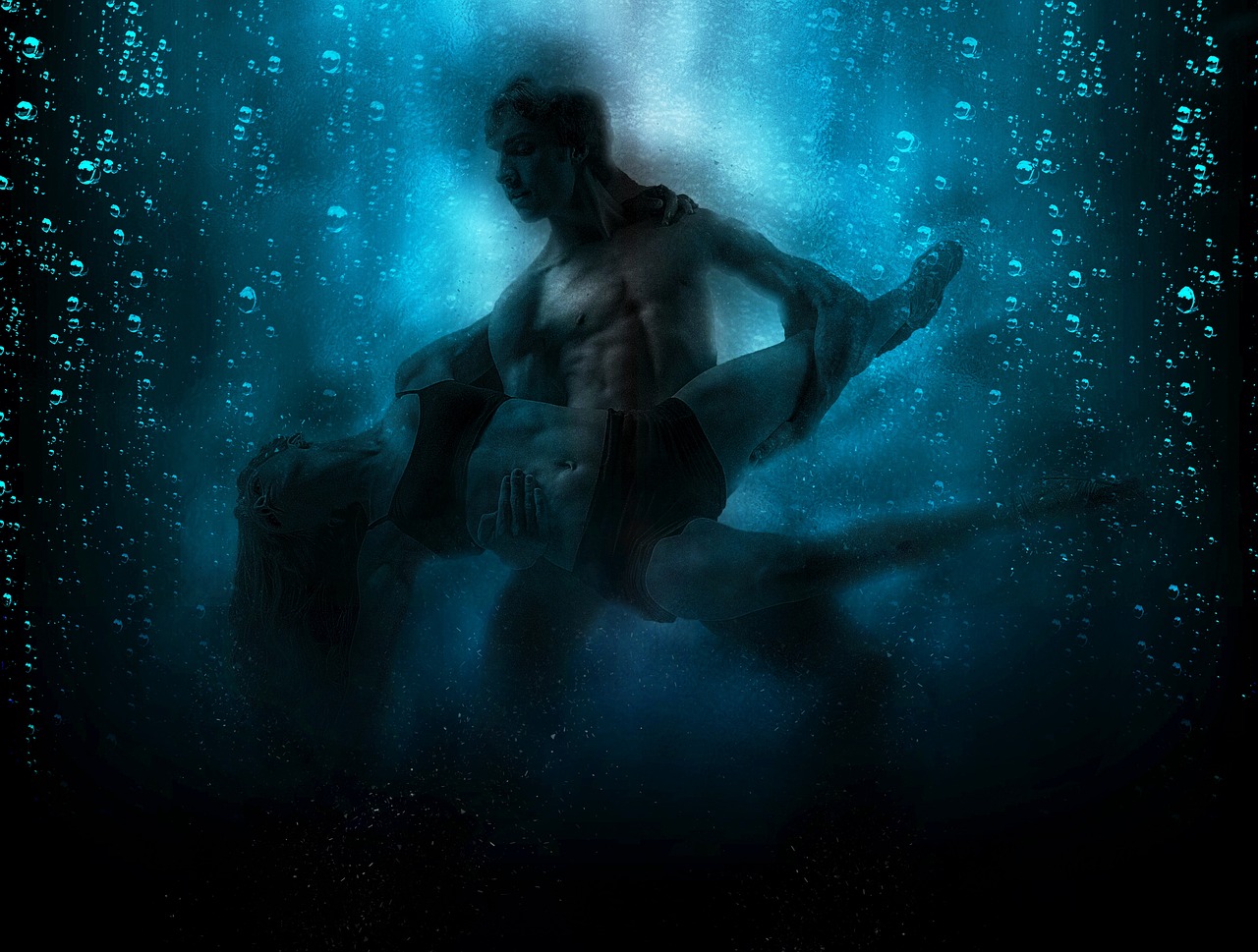
In addition to strengthening exercises, practice with partners can enhance coordination skills. Working with a partner allows dancers to synchronize movements, learning timing and positioning in real-time. This not only develops body awareness but fosters the necessary trust between dancers. Engaging in duets requires dancers to be aware of their own movements as well as their partners. This interaction dynamically improves coordination naturally. Another exercise beneficial for this practice is mirroring, where one dancer imitates another’s movements. This aids understanding of balance and rhythm. Including creative improvisational sessions forces dancers to think on their feet, thereby heightening reaction time. Challenging partner drills can push ingrained coordination boundaries, such as cooperative jumps or turns. These exercises should be exciting and varied to maintain interest. Constant engagement with a peer encourages teamwork and collective progress, vital in performance scenarios. Developing a good rapport with a partner ultimately enhances the dance experience. Therefore, practicing with a partner complements individual training perfectly. It’s important to remember that teamwork builds not just coordination, but also crucial transferable skills. These skills will lead dancers to feel confident during performances that demand collaboration and seamless movement between partners.
Movement Variety
Incorporating varied movement patterns significantly fosters balance and coordination skills in dancers. Although repetition is crucial for building muscle memory, variety encourages adaptability, ultimately enhancing performance. Dancers should consistently introduce new styles or techniques into their repertoire to challenge their bodies. For example, combining ballet with hip-hop can lead to unexpected movements and improved reaction times. This integrates multiple styles, which can enhance strength and flexibility in unique ways. Engaging in cross-training also cultivates additional muscles that aid coordination development. Activities such as martial arts can introduce dynamic movements that promote quick footwork, aiding both athleticism and creativity in dance. Furthermore, exploring movement improvisation emphasizes spontaneity, enabling dancers to adapt their skills to different situations naturally. Dancers could benefit greatly from incorporating unique props like ribbons or hoops during practice, further exploring how objects can alter movement dynamics. Always set challenges that provoke a dancer’s imagination, encouraging the exploration of unexplored paths. Overall, balancing traditional training with novel experiences enriches the developmental journey of dancers. The objective should be to cultivate an environment where creativity meets discipline, leading to improvements across all areas of performance and overall coordination.
Finally, recording dance practices can tremendously aid in recognizing areas that need improvement. Through video recordings, dancers can visually analyze their movements and coordination during rehearsal sessions. This method helps in identifying aspects that may need adjustment, such as timing or spatial awareness. By observing their performance, dancers can develop effective feedback for themselves. Additionally, inviting constructive criticism from instructors or peers can provide invaluable insights into their technique. This collaborative analysis further promotes awareness of their strengths and areas needing improvement. Regular video reviews can be incorporated into training schedules, serving as motivational tools. Dancers also have an opportunity to document progress over time, encouraging goal-setting for future enhancements. This reflective practice helps reinforce strong habits and erases negative patterns. It’s essential for dancers to maintain a growth mindset, recognizing that development is a continual process. Celebrating small victories along the journey builds confidence and resilience. As a result, this overall introspective approach fosters both coordination and balance improvements. In structuring practices, dancers must recognize the importance of consistent self-evaluation for reaching their highest potential in dance performance.
Conclusion: The Journey Forward
In conclusion, improving balance and coordination through various exercises is pivotal in the journey of a dancer. From core strengthening routines to partnering drills, each method plays an integral role in enhancing performance quality. Introductory practices should focus on routine and progressive development to ensure dancers build confidence in their abilities. Incorporating regular feedback, varied movement styles, and technology such as video documentation enriches learning experiences. Through consistent practice and engagement in cross-training, dancers will undoubtedly experience growth in coordination speed, promoting a more agile and responsive performance. Remember, progress is often non-linear, requiring dedication and patience. The discerning dancer adopts an open mindset, embracing challenges while celebrating achievements along the way. As dancers commit to mastering these exercises, their ability to perform intricate routines increases, showcasing their enhancements. The fusion of discipline and creativity marks the essence of a dancer’s evolution. Ultimately, each dancer’s journey is unique, contributing to a vibrant dance community. Remaining committed to personal growth fosters a rich tapestry of talent within dance. Therefore, celebrate each milestone and continue pushing forward with enthusiasm on this beautiful journey towards lyrical excellence in dance.
A combination of individual strength training and creative artistry allows dancers to flourish. Incorporating all these elements leads to better performances that impress both audiences and peers alike. Keep exploring your potential as a dancer, and remember that every step counts in this incredible journey.