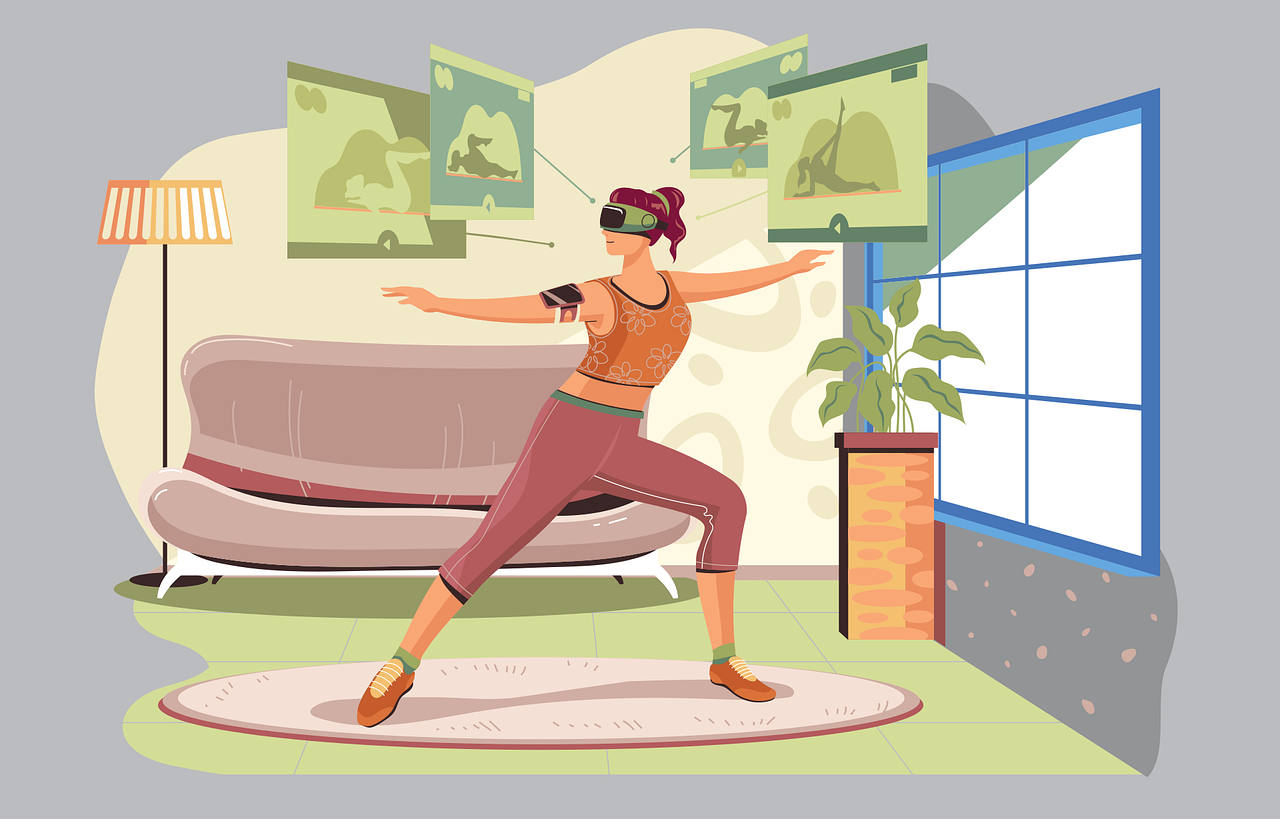

Designing Group Virtual Balance Training Sessions for Social Engagement
Virtual balance training sessions are increasingly popular among fitness enthusiasts, especially in the wake of the global pandemic. These sessions offer participants the opportunity to enhance balance skills while fostering social connections. Engaging in virtual format allows individuals to participate from their homes, eliminating geographical barriers. One of the vital aspects when designing these sessions is incorporating interactive features. This encourages participation and attendance. Furthermore, using platforms that support video conferencing allows instructors to observe participants’ form and provide real-time feedback. The use of music and rhythmic exercises can enhance motivation and create an enjoyable atmosphere. Additionally, incorporating challenges like group competitions can boost engagement levels. During these sessions, it’s essential to ensure a safe environment where participants feel comfortable. Instructors must carefully select exercises that cater to varying skill levels, ensuring everyone can benefit. This guarantees inclusion and enhances the sense of community. Creating variety is also key; rotating through different types of balance exercises keeps participants invested in their progress and fosters a sense of achievement.
To effectively implement virtual balance training sessions, it’s important to have the right technology. Reliable internet connectivity and user-friendly apps facilitate smooth communication. Sessions should also cater to different platforms, whether Zoom, Skype, or specialized fitness apps. Each session must have a clear agenda that includes warm-up, main exercises, and cooldown periods. Prepare instructional material in advance, along with a demonstration video that showcases each exercise to promote understanding. Utilizing props like cushions or balance boards can enhance the learning experience. Encourage peer support among participants; establishing a buddy system can foster accountability. Group chats and forums provide a medium for participants to ask questions or share experiences outside of the session, deepening social ties. Also, reminders via email or mobile notifications help participants stay committed and reduce dropouts. Instructors should regularly elicit feedback to evaluate participants’ experiences, thereby facilitating continuous improvement. Adapting the curriculum based on participant progression is crucial as well. Planning periodic assessments can enrich engagement, providing goals for participants to strive towards. Offering various class times can better accommodate different schedules, making participation easier for everyone involved.
Building a Community in Virtual Sessions
Creating a welcoming community is essential for fostering social engagement in virtual balance training sessions. Begin by introducing participants through warm welcomes, encouraging them to share their names and favorite balance exercises or why they joined. This initial sharing promotes bonding within the group, establishing connections beyond just the exercises. Incorporating icebreakers at the beginning of sessions can create a relaxed atmosphere, which is conducive to learning. Small group discussions during breaks can also encourage participants to share tips and experiences in balancing. Additionally, host themed sessions or challenges to create excitement and anticipation. These events can revolve around seasons, holidays, or fitness milestones. Creating leaderboards and recognition for achievements instills a healthy spirit of competition and motivates participants to improve their skills. Consider offering incentives for participation, such as virtual badges or certificates. Incorporate polls and surveys regularly to keep the sessions interactive, allowing participants’ voices to be heard. Incorporate visual elements like slides with participant highlights or success stories that can inspire and motivate others. This collective input showcases shared accomplishments, reinforcing group identity and connection.
Continuous engagement is vital for retaining participants in virtual balance training sessions. Regularly switching up exercises can keep sessions fresh and impactful. Trainers should experiment with integrating different approaches, such as mindfulness practices or physical challenges focusing on coordination. Additionally, incorporating short, effective sessions can cater to varying attention spans. Adapting content to participants who may desire a less intense session is also essential for accessibility. Conducting follow-up assessments –both quizzes and exercises– can help gauge participants’ progress and provide constructive feedback. Using online tools can facilitate gatherings for participants to share progress updates and queries. Monthly challenges can emerge, with themes like improving recovery or achieving balance milestones. Facilitating this ongoing dialogue strengthens relationships and encourages peer-to-peer support. Instructors should also regularly highlight participant victories and improvements to maintain motivation. Virtual group meet-ups outside of scheduled training sessions can promote social interaction and create support networks. Building routines around these interactions fosters lasting connections. This not only enhances balance training but also cultivates friendships that extend beyond the virtual space, showing how exercise can unite communities.
Adapting Training for Different Skill Levels
When designing virtual balance training sessions, it’s crucial to thoughtfully consider skill levels to cater effectively to everyone. Onboarding sessions should gauge a participant’s initial abilities, allowing for customized program adjustments. Group exercises can be scaled by incorporating modifications that cater to beginners, intermediates, and advanced participants. This inclusivity ensures no one feels left behind while enabling everyone to encounter appropriate challenges. For instance, providing a variety of props that can be easily accessed at home allows users to explore their individual comfort zones. Creating breakout rooms in video calls can also facilitate focused training for differing skill groups. These rooms can host tailored exercises while offering targeted feedback from instructors. Regular, individualized check-ins can help maintain motivation by allowing participants to discuss hurdles or achievements. Moreover, encouraging participants to share their experiences leads to enriched learning opportunities where individuals provide tips based on their journeys. Incorporating pre-recorded content as practice resources allows participants to engage outside of scheduled classes. Using progress trackers can also aid participants in visualizing their advancements, reinforcing their commitment to continuous improvement in balance training.
Feedback should form an integral part of every virtual training session. Instructors must incorporate various methods to gather insights, ranging from post-session surveys to informal check-ins. Effectively utilizing this feedback ensures that sessions evolve according to participants’ needs, preferences, and engagement levels. Encourage open dialogues so participants feel comfortable sharing constructive criticism, ensuring they feel valued. Establish a nurturing feedback culture by actively addressing any concerns highlighted and making adjustments when needed. These iterative improvements bolster both participant satisfaction and retention. Furthermore, creating dedicated channels for feedback encourages participants to share thoughts outside sessions, fostering a community atmosphere. Celebrating feedback implementation successes can also motivate others to contribute their insights. Collect participant stories to feature their progress, which can help showcase the community’s collective growth. This narrative encourages others to remain committed as they witness tangible results from their peers. Highlighting these evolutions emphasizes the collaborative learning aspect while maintaining participants’ enthusiasm. Utilizing various media, including visuals or videos, to present accomplishments can further enhance motivation and community spirit.
Conclusion and Future Outlook
As virtual balance training sessions become more mainstream, evaluating their impact on long-term social engagement remains fundamental. The lessons learned from participants emphasize the significance of creating interactive spaces where everyone feels included, valued, and empowered. Adopting technology that bolsters communication and interaction is critical in nurturing a vibrant training environment. Going forward, leveraging data on attendance and participation can provide insights for predicting trends and customizing future sessions. Additionally, established communities can foster even deeper connections through hybrid models, blending physical and virtual elements. Piloting initiatives for in-person gatherings can help strengthen relationships that began online. This evolution offers possibilities for unique events and collaboration opportunities while preserving the accessible essence of virtual training. Instructors should remain informed about emerging trends within digital fitness, adapting their sessions accordingly to keep pace. Researching innovative exercise methodologies can enhance the overall quality of training offerings. Ultimately, aiming to empower participants through consistent encouragement and motivation will help build more resilient and enthusiastic communities centered around balance training, creating lasting positive impacts.
In conclusion, the remarkable potential of balance training for social engagement highlights how virtual platforms can foster community building. By designing thoughtful and inclusive virtual training sessions, fitness instructors can create spaces where participants develop their skills while forging meaningful relationships. This dual focus on physical development alongside social interaction emphasizes the holistic nature of health and wellness. As we move forward in an increasingly digital landscape, we have the opportunity to innovate and reinvent how we approach fitness and connection. By championing supportive and collaborative environments, we can ensure that virtual balance training continues to enrich lives and cultivate flourishing networks of individuals dedicated to their physical well-being and social engagement.