
Top 10 Nutrient Deficiencies in Vegan and Vegetarian Diets
Following a vegan or vegetarian diet can lead to health benefits. However, it’s essential to be aware of potential nutrient deficiencies that might arise. Understanding these deficiencies and knowing how to prevent them is crucial for maintaining overall health. The main nutrients of concern for those on plant-based diets include vitamin B12, iron, calcium, omega-3 fatty acids, and vitamin D. Addressing these deficiencies can help ensure that your diet is not only fulfilling but nutritious as well. Many people may be unaware of these nutrients and their importance. Getting regularly tested for nutrient levels can provide insights into whether you are thriving on a vegan or vegetarian diet. Supplementation and dietary adjustments may be necessary. By planning balanced meals that include fortified foods and diverse ingredients, you can significantly reduce the risk of deficiencies. A proactive approach involving consultation with health professionals, understanding food labels, and ensuring adequate cooking methods can lead to a sustainable diet. Embrace it as a lifestyle, and your body will respond positively with proper attention to nutritional needs.
Vitamin B12 is a vital nutrient often deficient in vegan and vegetarian diets. This vitamin is essential for the proper functioning of nerves and the production of DNA and red blood cells. Natural sources of B12 are mainly animal products, making supplementation necessary for those avoiding meat. Fortified foods, such as cereals and plant milks, can also help fill this gap. Consider taking a B12 supplement if your diet lacks enough fortified foods. A blood test can determine your B12 status, which will inform you about necessary adjustments. The recommended dietary allowance varies depending on age and life stage, but aiming for adequate B12 is crucial for long-term health. Symptoms of deficiency may include fatigue, weakness, neurological issues, and cognitive decline, which can adversely affect your quality of life. Consuming B12 regularly through dietary sources is one of the easiest ways to maintain your well-being. Creating a balanced meal plan featuring a variety of foods will ensure you receive essential nutrients, including vitamin B12. Stay informed about your nutritional status to enjoy the benefits of your plant-based lifestyle safely.
Iron and Its Importance
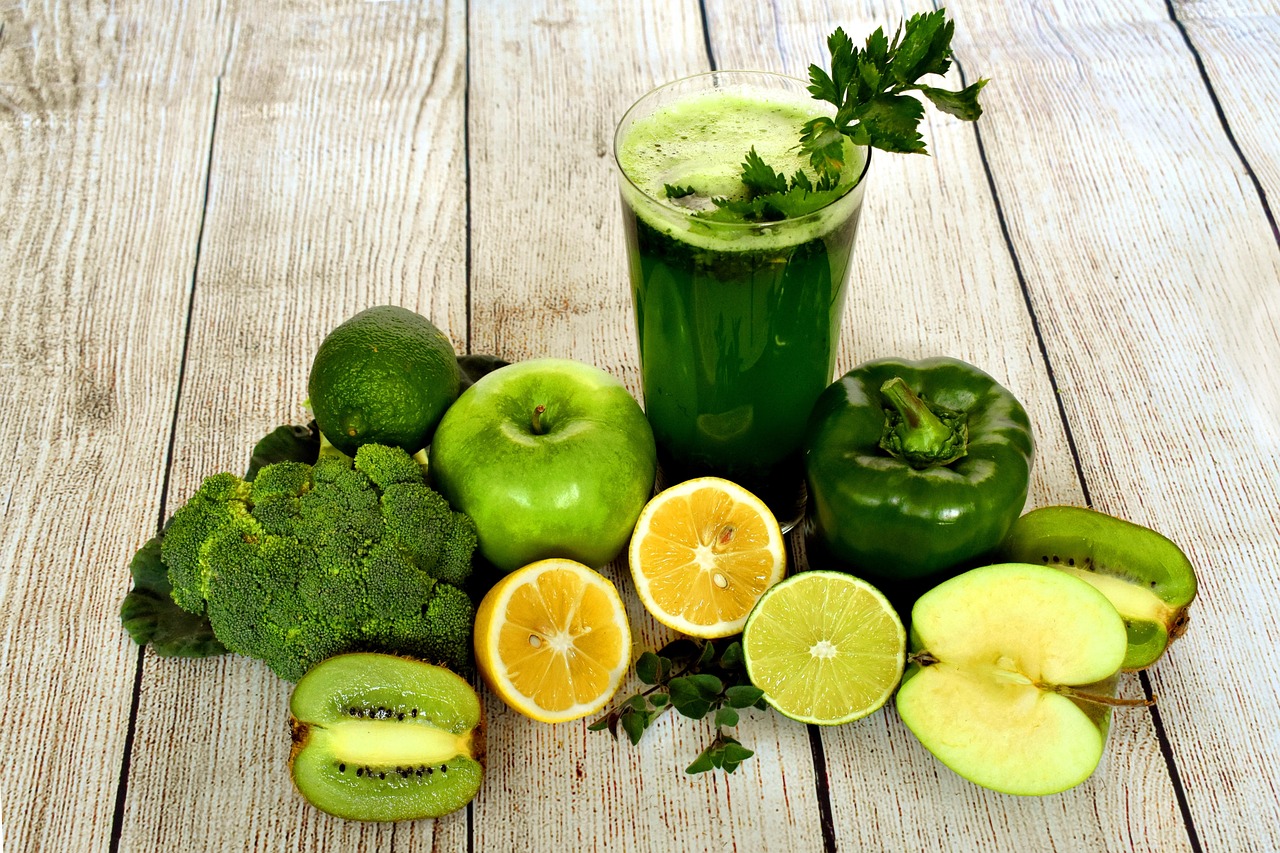
Iron is another critical nutrient that can be lacking in vegan and vegetarian diets. Iron is essential for the formation of hemoglobin, which transports oxygen in your blood. It comes in two forms: heme, found primarily in animal products, and non-heme iron in plant sources. While plant foods like lentils, beans, and spinach contain iron, it is often not absorbed as effectively as heme iron. To improve absorption of non-heme iron, pair these foods with vitamin C-rich items, such as oranges or bell peppers. Being mindful of the cooking methods can also aid in iron bioavailability. Cooking in cast-iron pans can increase the iron content of food as well. Monitoring iron levels is vital, as deficiency can lead to anemia characterized by fatigue, pallor, and decreased immunity. Consider regular blood tests if you’re concerned about your iron levels. If needed, iron supplements can be an option, but consult a healthcare provider before incorporating them into your routine. A diverse and balanced diet rich in plant-based iron sources is achievable with careful meal planning and awareness.
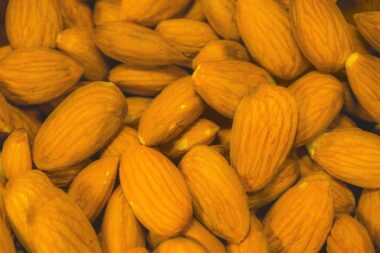
Calcium is a crucial mineral for maintaining strong bones and healthy teeth. While dairy is often the go-to source for calcium, those following vegan and vegetarian diets can obtain this mineral from various plant-based sources. Foods like tofu, almonds, fortified plant milks, and leafy greens such as kale offer excellent calcium content. Be aware that some plant foods also contain oxalates, which can inhibit calcium absorption. Thus, balancing calcium intake with absorbable sources is necessary. Ensuring adequate vitamin D levels is also important for calcium metabolism, as it facilitates calcium absorption. Sunlight exposure is a natural way to obtain vitamin D, but it can also be found in fortified foods and supplements if necessary. Testing vitamin D levels is advisable, particularly in regions with limited sunlight exposure. Achieving the recommended daily allowance of calcium through a well-planned and diverse diet can prevent deficiencies. Adequate intake of calcium is essential for overall health, especially for bone health, so be proactive in incorporating calcium-rich foods into your daily meals.
Omega-3 Fatty Acids Explained
Omega-3 fatty acids are vital for heart, brain, and overall health. They are primarily found in fish, which can make it challenging for vegans and vegetarians to meet their needs. The three primary types of omega-3s are ALA, EPA, and DHA. While ALA is abundant in plant sources like flaxseeds, walnuts, and chia seeds, EPA and DHA are mainly obtained from fish. As a plant-based eater, incorporating ALA-rich foods is essential, but consider algal oil supplements to ensure adequate levels of EPA and DHA. Research indicates these fatty acids reduce inflammation, promote heart health, and play a crucial role in cognitive function. Regularly assessing your omega-3 intake is advisable for vegetarians and vegans to ensure optimal health. Planning meals that include sources of ALA can significantly contribute to your fatty acid requirements. Swapping cooking oils and increasing consumption of nuts and seeds can enhance your diet’s omega-3 content. Be mindful of both the quality and quantity of omega-3s to support long-term health. With a thoughtful approach, meeting your omega-3 needs as a plant-based eater is achievable.
Vitamin D deficiency is common in many people, especially those on plant-based diets. This vitamin is crucial for bone health and immune function. Vitamin D can be synthesized by the body when exposed to sunlight, so getting regular sun exposure is important. However, depending on geographical location, time of year, and skin tone, this may not be sufficient for adequate vitamin D levels. Foods such as fortified plant milk and mushrooms exposed to UV light can provide some vitamin D. Individuals following strict vegan diets should consider taking a vitamin D supplement to ensure they receive enough of this essential nutrient. Testing your vitamin D levels through a blood test can provide valuable information if you suspect a deficiency. Understanding that vitamin D is also essential for calcium absorption helps highlight its importance in a balanced diet. Therefore, monitoring intake and ensuring sufficient vitamin D levels will contribute significantly to overall health and wellness. Being proactive in securing ample vitamin D is advisable for anyone, but especially those following plant-based lifestyles.
Conclusion and Recommendations
Maintaining a balanced vegan or vegetarian diet requires mindfulness to prevent potential nutrient deficiencies. By focusing on key nutrients such as vitamin B12, iron, calcium, omega-3 fatty acids, and vitamin D, you can build a sustainable and nutritious eating pattern. Regularly testing your nutrient levels, incorporating fortified foods, and considering supplements when necessary are essential steps. Being well-informed about food sources and their nutrient profiles is critical in reducing deficiency risks. Meal planning that focuses on both variety and balance can significantly enhance nutrient intake. Engaging with a health professional, nutritionist, or dietitian can provide personalized guidance tailored to your specific needs. Joining communities focused on plant-based eating can also offer support and shared resources. By prioritizing your nutrition, you can enjoy the myriad of benefits that come with a plant-based lifestyle. Remember that maintaining health is an ongoing journey filled with education, experimentation, and commitment. Embrace the changes progressively, and your body will respond positively to the efforts you put into your nutrition.
In conclusion, nutrient deficiencies can pose challenges for those adopting vegan and vegetarian diets, but awareness and proactive measures can effectively minimize these risks. Focusing on nutrients that are commonly lacking, understanding their roles, and knowing how to source them from plant-based foods are crucial for maintaining optimal health. From enriching your meals with vitamin B12 from fortified sources to ensuring adequate iron and calcium intake through strategic combinations of foods, every effort counts. As you navigate recipes and meal plans, consider the broader picture of nourishment, emphasizing well-being and sustainability. Creating delicious dishes while prioritizing nutrient density allows for enjoyment and health simultaneously. Engaging with the plant-based community, sharing experiences, and learning from one another can enrich your journey and introduce you to new food concepts. Stay curious, seek advice, and consider professional nutrition guidance to support your goals. Each choice you make in your diet can lead towards vibrant health. Striving for balance will empower you to lead an extraordinary life while savoring the joys of plant-based eating. Keep in mind that addressing nutrient deficiencies promotes optimal health and wellness in the long term.