
Prevention of Falls through Balance and Coordination Therapy
Balance and coordination therapy plays a vital role in the prevention of falls, particularly among vulnerable populations. Falls can lead to severe injuries, declining health, and increased mortality rates, especially in older adults. Implementing effective balance exercises helps individuals regain their stability and confidence while reducing the likelihood of falls. Rehabilitation specialists utilize various techniques designed to strengthen muscles and enhance coordination. These include activities that focus on improving proprioception, which is the body’s awareness of its position in space. Additionally, tailored therapeutic programs are established based on individual needs and assessments. This personalization ensures that exercises target specific weaknesses and encourage gradual progress. Studies have shown that integrating these therapies within a rehabilitation program significantly decreases fall incidents. Furthermore, it is important for caregivers and family members to be informed about the benefits of engaging in balance exercises. Encouraging loved ones to participate can foster a supportive environment that promotes successful rehabilitation. Implementing a routine of balance training strengthens key muscle groups and enhances overall functional mobility. A proactive approach towards balance and coordination can drastically change outcomes for those at risk for falls.
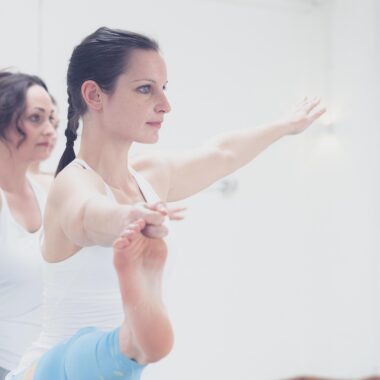
Balance and coordination exercises can vary in intensity and complexity. Typically, such exercises should be gradually introduced, beginning with simpler tasks that build confidence and skill. As patients progress, they can take on more complex movements that challenge their balance and require higher levels of coordination. Examples range from standing on one leg to more elaborate activities like Tai Chi or dance, each offering unique benefits. These engaging practices not only improve physical abilities but also promote mental stimulation. Additionally, patients develop social connections that enhance their overall well-being. Rehabilitation specialists often design group classes to facilitate this interaction, helping individuals develop a sense of community. The supportive atmosphere fosters encouragement and motivation to achieve fitness goals. Integration of technology, such as virtual reality systems, has also become popular. These systems provide immersive settings for practicing balance and coordination while measuring performance in real time. As advancements continue, incorporating technology in rehabilitation is likely to yield even greater results. Family involvement in therapy programs is equally crucial. Coaches or instructors may offer guidance, but having loved ones actively participate can enhance compliance and enthusiasm toward therapy.
Building Confidence Through Therapy
Rehabilitation specialists strive to create programs that not only focus on physical strength but also help rebuild confidence in their patients. One of the most effective ways to achieve this is through gradual exposure to challenging movements paired with successful outcomes. As patients master new skills, they feel a sense of accomplishment that motivates them to continue improving. This confidence will ultimately lead to increased independence, encouraging individuals to partake in daily activities without fear of falling. Education about safety also plays a crucial role in their recovery journey. Patients learn how to recognize potential hazards in their living environment. Simple adjustments, such as removing loose rugs or ensuring proper lighting, can significantly reduce fall risks. Rehabilitation specialists often host workshops or discussions to educate families and caregivers, reinforcing the importance of a supportive home environment. A community that understands the challenges of a recovery journey can make substantial differences, promoting both emotional and physical health. Incorporating techniques such as mindfulness may also assist patients in managing anxiety related to their physical abilities. The combination of physical therapy, education, and support creates a robust framework for effective fall prevention.
The role of technology in balance and coordination therapy is continually evolving. Rehabilitation specialists are increasingly utilizing various tools and devices to enhance the effectiveness of therapeutic exercises. Among these tools, wearable devices provide real-time feedback on balance and movement patterns, allowing specialists to tailor training programs to individual needs. Virtual reality simulations can also engage patients in immersive environments, making exercises more enjoyable. Through these innovative methods, patients become more willing to participate in their rehabilitation program. Implementations of gamification into therapy further motivate patients to engage, making sessions not only productive but also fun. As advancements in technology continue, specialists can refine their approaches and achieve even better rehabilitation outcomes. Furthermore, building a digital repository of exercises and progress can help patients track their improvement over time. This record allows specialists to adjust plans based on measurable progress and maintain accountability. Online platforms afford the opportunity for video calls that enhance communication, allowing professionals to guide patients remotely. This accessibility can be particularly beneficial for individuals who have mobility limitations. By embracing technology, rehabilitation professionals can ensure their patients receive the best personalized care possible.
The Importance of Multi-Disciplinary Collaboration
Balance and coordination therapy is most successful when a multi-disciplinary approach is utilized. Collaboration between various healthcare sectors, such as physiotherapy, occupational therapy, and nursing, significantly enhances patient outcomes. Each discipline brings unique insights and expertise, creating a comprehensive treatment plan tailored to each individual’s needs. Regular communication among practitioners allows for a cohesive strategy that addresses all aspects of care. By leveraging different specializations, healthcare providers can identify underlying issues contributing to loss of balance, such as vestibular disorders. Early detection and targeted interventions promote more efficient recovery and stability. Furthermore, involving primary caregivers and family members in the treatment process encourages a united front. A team-oriented approach reassures patients that everyone is committed to their success. Support from multiple parties increases accountability, making patients more likely to adhere to exercise regimens and lifestyle changes. Additionally, educational workshops and support groups strengthen patient understanding of their conditions and rehabilitation processes. Striving for improved health outcomes through teamwork facilitates a proactive approach to fall prevention and fosters a positive atmosphere for recovery. Ultimately, addressing the multifaceted challenges associated with falls will ensure long-term success and improved quality of life.
This comprehensive approach to balance and coordination therapy also takes into consideration the emotional well-being of patients. Many individuals may experience fear or anxiety concerning their risk of falling, which can hinder their recovery. Effective therapists actively work on strategies that not only improve physical abilities but also encourage positive emotional responses. Cognitive Behavioral Therapy or mindfulness practices may be integrated into rehabilitation plans to address these psychological aspects. Understanding and managing the emotional responses to physical limitations can significantly improve engagement in therapy. Another aspect to consider is the role of nutrition in rehabilitation. Proper nutrition supports muscle strength and overall health, contributing positively to therapy outcomes. Educating patients about the importance of a balanced diet enhances their commitment to a healthier lifestyle. Nutritional guidance should become a fundamental component of rehabilitation programs to support physical and emotional recovery. By fostering a holistic approach that includes mental, emotional, and nutritional factors, rehabilitation specialists can create robust programs that empower individuals to take charge of their recovery. When patients believe they can avoid falls through proactive measures, their self-efficacy and quality of life can markedly improve.
Long-Term Strategies for Fall Prevention
To maintain gains achieved through balance and coordination therapy, long-term strategies are essential. Rehabilitation specialists should provide patients with tools and techniques to integrate exercises into their daily routines. Establishing a consistent practice of balance and coordination is crucial for permanent improvements. Patients may benefit from scheduling regular check-ins or assessments with specialists to ensure continued progress. Creating personalized home exercise programs can aid in incorporating these strategies into the patient’s lifestyle. These programs should be adaptable, allowing for modifications as physical capabilities grow over time. Additionally, community resources such as local exercise classes focusing on balance can foster ongoing engagement. Regular involvement in groups can provide social interaction, accountability, and continued motivation. Equipping patients with knowledge about potential fall hazards promotes awareness and encourages proactive steps. Families should maintain open communications with healthcare providers to ensure their loved ones receive appropriate support during their recovery journey. By fostering commitment to balance practices, individuals gain confidence over time. Establishing long-term habits significantly reduces the chance of falls and creates a safer living environment.
Overall, balance and coordination therapy has a transformative effect in fall prevention. As individuals gain confidence and physical abilities through specialized rehabilitation programs, they are empowered to lead independent lives. By integrating physical exercises, educational resources, emotional support, and multidisciplinary collaboration, a holistic approach emerges. Patients can see their improvement not only in mobility but also in their overall quality of life. Engaging in community initiatives further strengthens their commitment, enabling individuals to connect with others facing similar challenges. Following these therapeutic guidelines fosters resilience, promoting early intervention strategies that target at-risk individuals effectively. Ultimately, consistency in therapy leads to long-term benefits, enhancing their well-being and safety. By prioritizing preventative measures, rehabilitation specialists can create transformative experiences for those at risk of falls. The proactive approach emphasizes that everyone deserves to feel secure and confident while engaging in daily activities. As research continually progresses, the significance of balancing coordination techniques will only heighten. Ongoing education and awareness will contribute to better outcomes for individuals. Emphasizing a supportive environment can substantially improve recovery efforts and generate positive changes for individuals affected by balance disorders. The journey of fall prevention through rehabilitation is essential.