
Flexibility Training for Functional Fitness in Busy Lifestyles
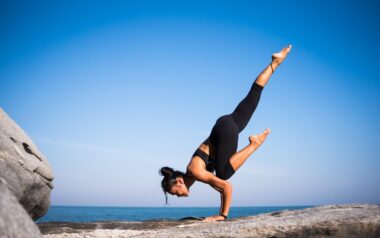
In our fast-paced world, flexibility training often takes a backseat due to busy schedules. However, prioritizing flexibility is essential for functional fitness and overall health. Flexibility influences mobility, reducing the risk of injuries and enhancing performance in daily activities. To integrate effective flexibility exercises into your life, consider short routines that can be performed almost anywhere. Many exercises can improve flexibility, including static stretching, dynamic stretching, and yoga. Focusing on specific areas, such as the hips, hamstrings, and shoulders, can yield significant benefits. Flexibility training can be broken down into manageable sessions, often requiring just a few minutes each day. For busy individuals, utilizing breaks during the day to engage in stretching can foster increased energy levels and concentration. Pairing flexibility exercises with strength training can lead to a balanced fitness regime. Remember to listen to your body, taking care not to push beyond your limits during each session. In doing so, you can enjoy a healthier lifestyle that accommodates flexibility, making it easier to maintain an active routine, no matter how hectic life becomes.
Another essential aspect of flexibility training is its role in recovery. Proper flexibility can significantly speed up muscle recovery post-exercise, thereby reducing soreness and stiffness. Incorporating flexibility exercises such as foam rolling can aid in releasing tension. Ensure to include a recovery routine following workouts, focusing on key muscle groups while gently stretching. This practice prepares your body for subsequent training sessions, making them more efficient in the long run. Stretching after workouts seals a great workout by calming your body down, promoting relaxation and mindfulness. Research shows that regular stretching improves circulation by increasing blood flow to muscles, further enhancing recovery speed. Consider dedicating time in your cool-down routine to flexibility exercises. Additionally, implementing practices like not overlooking hydration can amplify these benefits. Staying hydrated helps maintain muscle elasticity and joint lubrication, pivotal for effective stretching. Therefore, by enhancing flexibility through systematic exercises, you not only support recovery but also contribute to better performance. This practical approach allows even the busiest individuals to reap the advantages of flexibility training without overwhelming their schedules.
Effective Flexibility Techniques
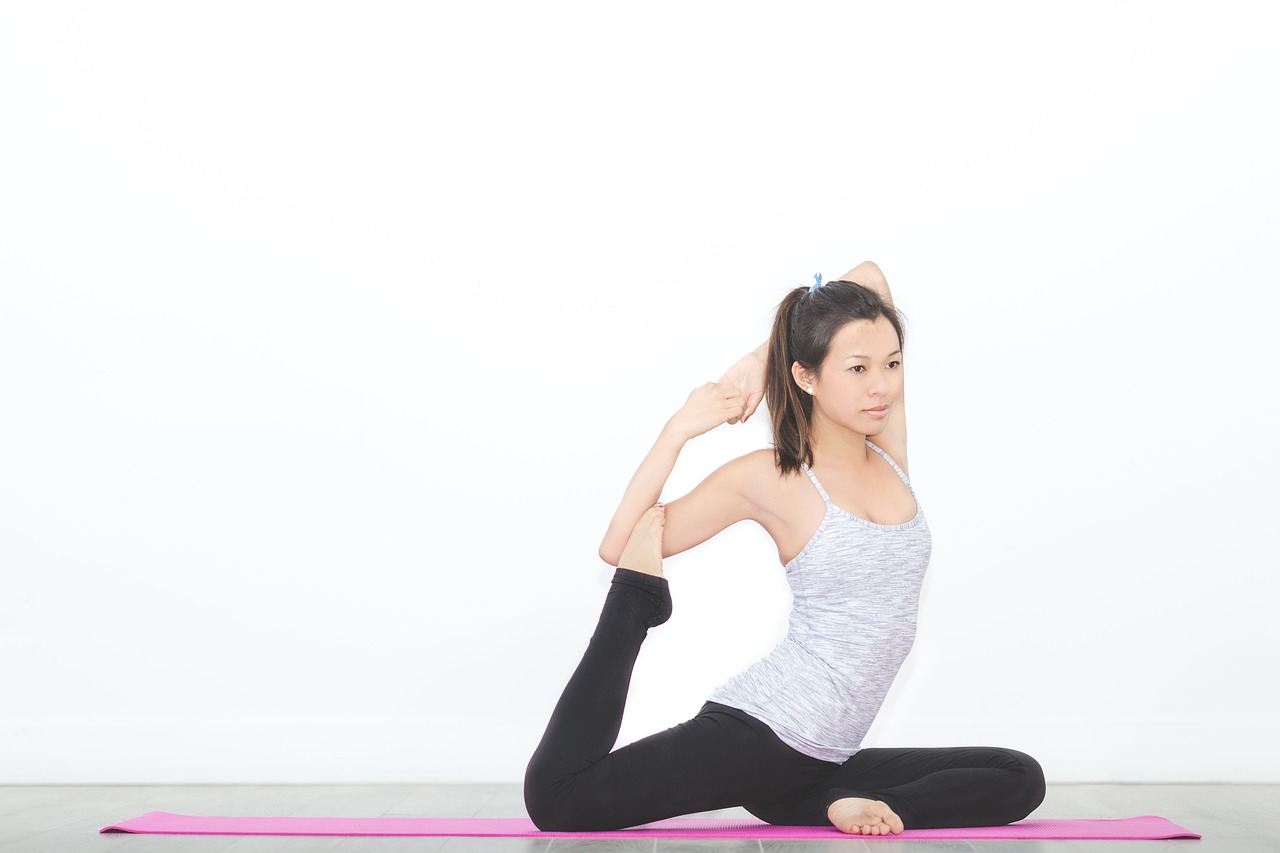
Utilizing effective flexibility techniques can drastically improve your overall mobility. Dynamic stretches, such as leg swings and arm circles, are excellent for warming up before workouts, enhancing range of motion, and preparing your muscles for activity. Focus on movements that mimic your workout type or sport-specific motions the day before hitting the gym. Post-workout, consider static stretches, which involve holding a stretch for a period. These are vital for promoting elasticity in your muscles and for preventing injuries. Various effective stretches include the standing quad stretch and seated forward fold, each tailored to accommodate different muscle groups. Don’t forget to include stretches that target multiple joints, leading to increased overall flexibility. Yoga offers a wealth of such techniques, elevating core strength while enhancing flexibility. Another beneficial method is proprioceptive neuromuscular facilitation (PNF) stretching, which combines contracting and relaxing muscles, maximizing flexibility gains. These techniques allow busy professionals to seamlessly incorporate flexibility focuses within shorter workout durations. Set realistic goals, and aim for a balanced regime that includes flexibility training, helping you build resilience while managing a busy life efficiently.
Additionally, engaging in creative flexibility training can keep the practice enjoyable and motivating. Explore classes such as dance, Pilates, or even martial arts, which can integrate flexibility exercises into fun formats. Implementation of these workouts can help sustain commitment amidst tight schedules. Moreover, combining flexibility exercises with functional movements enhances your body’s agility, allowing for better performance in everyday tasks. Whether at your office or home, look for opportunities to stretch. Activities like standing or sitting desk stretches can be seamlessly interwoven into your workflow. Simple options include neck rolls and shoulder shrugs, requiring minimal effort and time commitment. Engaging your entire body can significantly elevate your flexibility levels without lengthy duration sessions. You can even create short video routines with preferred stretches, allowing you to follow along during breaks. Ensure that you set specific and attainable flexibility goals that correspond with your lifestyle. Remember consistency truly drives progress. By finding the right balance between each aspect of your fitness regimen, you can establish a flexible routine that accommodates your busy life and keeps you healthy.
The Importance of Consistency
Consistency is paramount when adopting a flexible workout routine. Like any fitness activity, flexibility training benefits from regular engagement. To achieve desired results, aim for small, consistent practices rather than sporadic long sessions. Structured programs can encourage adherence to your flexibility goals. Furthermore, utilizing an app or journal to track your progress can offer insight into how far you have come and establish a sense of accomplishment. Incorporating accountability through workout partners or community classes can also motivate. Varying your flexibility protocols can maintain excitement in your practice. Adding new stretches, changing your environment, or exploring different methodologies can provide fresh perspectives. Effective strategies for assimilation into your life can yield noticeable benefits. Allocate time in your routine specifically for flexibility training, treating it as an essential commitment rather than an option. Even on busy days, focus on commit ten minutes toward dynamic and static stretching. This effort reinforces the importance of flexibility while enhancing overall fitness. As you cultivate this consistency, the results will build incrementally, leading to a healthier and more flexible lifestyle that fits seamlessly into your busy schedule.
Incorporating flexibility training into your busy lifestyle also fosters overall well-being and mental health. The benefits of improved flexibility extend beyond physical attributes, often leading to enhanced stress reduction and relaxation. Engaging in stretching techniques like yoga promotes mindfulness, allowing individuals to reconnect with their inner selves amidst the chaos of daily routines. Consider taking five minutes or so during your lunch break to perform breathing exercises coupled with light stretches. Such practices greatly help alleviate tension built throughout the day, improving mental clarity and focus. Building mindfulness through stretching can serve as a powerful tool for managing stress levels, encouraging emotional balance. Mental well-being is interconnected with physical fitness, and flexibility training becomes an invaluable asset in navigating stressors. Aim to promote a practice characterized by patience and self-awareness, helping you respond better to life’s demands. Reflection on progress can also foster a sense of accomplishment, motivating you further with your fitness journey. Thus, exploring flexibility is beneficial for your body, a cornerstone for achieving cohesiveness in your overall health, as you maintain a busy lifestyle.
Conclusion
Ultimately, flexibility training is crucial for functional fitness, especially in busy lifestyles. The ability to adapt movement patterns greatly contributes to performance and health. Prioritizing flexibility enhances mobility, reduces injury risk, and promotes recovery, while providing significant mental health benefits. The flexibility exercises discussed can be straightforward yet effective methods to embrace and incorporate into even the most hectic schedules. Responsible execution, consistency, and creativity in your training will pave the way for positive results. With short, focused routines and a commitment to better health, flexibility training can be seamlessly included in your daily life as an essential component of functional fitness. Engage in a journey towards a more flexible, healthy lifestyle, embracing the balance between work and personal well-being. After all, achieving functional fitness doesn’t require hours every day; minimal time spent on targeted flexibility activities can yield significant results. Challenge yourself to explore new stretching modalities and celebrate progress, however small. By prioritizing flexibility within your daily routine, you create a sustainable approach toward improved fitness and well-being that blends naturally with your busy life.