
How to Create a Safe Outdoor Exercise Routine for Children
Creating an outdoor exercise routine for children can be both an enjoyable and healthy journey, promoting their physical well-being. Safety should be a primary focus when designing these outdoor activities. To ensure safety, start by selecting a suitable environment, like a nearby park or a spacious backyard, that is away from traffic and hazards. Always inspect the area for dangerous objects such as broken glass or sharp stones prior to beginning exercises. It’s advisable to supervise children, especially younger ones, during their workouts. Parents should also encourage children to wear proper footwear and comfortable clothing. Incorporating enjoyable activities strengthens children’s interest in exercise. Games like tag or hide-and-seek can be excellent options. You may also consider setting up obstacle courses that challenge their physical agility while ensuring they are safe and accessible. By making it fun and engaging, children will likely develop healthy habits that can last a lifetime. Remember, the key to a successful outdoor workout routine lies in balancing safety, enjoyment, and a little bit of adventure to keep the children enthusiastic and active during their playtime.
Incorporating Variety into Outdoor Activities
To maintain children’s enthusiasm for outdoor workouts, incorporating a variety of activities can make a significant difference. Consider designing a weekly schedule that alternates between different types of exercises, such as running, climbing, or jumping games. This approach not only prevents boredom but also develops multiple skills. Activities like riding bicycles or skateboarding can help improve balance and coordination. Additionally, nature walks provide a perfect opportunity to explore while exercising. When planning outdoor workouts, include some games that involve teamwork, such as relay races or group challenges, promoting social skills. Ensure that the exercises are age-appropriate and designed primarily for enjoyment, not just for strenuous physical output. Holding mini-competitions can encourage friendly rivalry, further motivating children to engage actively while emphasizing fun over pressure. For instance, a friendly competition might include a sprint race or a scavenger hunt, adding an element of discovery to the routine. Ultimately, the goal is to create a balanced mix of activities that will keep your children excited and ready to participate in outdoor workouts, leading to lasting fitness habits.
Setting Realistic Goals for Kids
Setting realistic goals for children’s outdoor workouts is vital for fostering a positive attitude towards physical exercise. It’s essential to focus on attainable objectives, ensuring that children do not feel overwhelmed. Instead of establishing ambitious benchmarks like completing a specific distance or duration, concentrate on small daily achievements. For example, a challenge can involve walking a shorter distance or doing a certain number of jumping jacks per session. Allow children to progress at their own pace, celebrating their accomplishments immensely. Recognize their efforts through encouragement and positive reinforcement, creating a supportive atmosphere. Encourage involvement in setting these goals, empowering children and fostering a sense of ownership in their fitness journey. Discussing these objectives during family time can help gain insights into what interests them most. Understanding their capabilities and limitations is crucial, as this awareness helps in crafting exercises that are both enjoyable and beneficial. As children become more confident in their abilities, they will be inclined to take on more significant challenges. This gradual increase in difficulty will help them develop a healthy mindset toward fitness and a love for outdoor activities.
Prioritizing Hydration During Activities
Hydration is incredibly important during outdoor workouts, especially for children who often forget to drink enough water while playing. Establish a routine that reminds kids to hydrate before, during, and after their exercise sessions. Children should carry their water bottles to ensure access is easy during playtime. Engaging them in activities can cause them to sweat, leading to water loss, which can be detrimental to their health. Teach children about the importance of drinking water by making it fun; use bright, colorful bottles that they’ll enjoy carrying. You can also encourage hydration breaks during high-energy games or workouts. If children are engaged in extended outdoor sessions, it may help to include healthy snacks alongside their fluids. Snacks like fruits can boost hydration levels while providing an energy source. Parents can become role models by demonstrating proper hydration habits. Setting designated times, like a water bell every 30 minutes, can turn hydration into a fun ritual. Ultimately, understanding that adequate hydration is as vital as the workout itself will ensure children maintain their energy and enjoy their outdoor exercise routines to the fullest.
Creating an Engaging Routine
An engaging outdoor routine can significantly enhance children’s overall enjoyment of exercise. Start by assessing their interests, and involve them in the planning process. Allow them to choose specific activities or games they would like to participate in, making them feel more invested. Combining various physical activities, such as running, jumping, and climbing, will ensure your children find the routine enjoyable. Additionally, incorporating music can elevate the atmosphere; consider a fun playlist that complements active games like dancing or exercise challenges. Set up a reward system to acknowledge kids’ participation and achievements, making the experience more motivating. For example, offer stickers or small incentives upon completion of workouts. Incorporating creative themes into routines can also spark excitement. For instance, turn one day into a pirate adventure, where kids search for hidden treasures while engaging in fitness activities. Finding ways to mix up the routine regularly will also help sustain interest and enthusiasm. Keeping workouts fresh will make the outdoor fitness experience enjoyable, ensuring that children eagerly participate and look forward to their next session.
Encouraging Parent-Child Collaboration
Encouraging collaboration between parents and children during outdoor workouts can foster a sense of togetherness while promoting fitness. Plan regular family workout days where both parents and children participate actively. These sessions can involve exercises or games that suit all age groups, ensuring everyone can join in. Incorporating teamwork exercises, such as push-ups or family relay races, can enhance bonding while teaching children the importance of cooperation. This shared effort not only creates stronger relationships but also inspires children to adopt healthy habits by seeing their parents engage in fitness. Make each session enjoyable by varying activities after a couple of weeks, keeping everyone motivated. Consider embarking on family hiking trips or fun obstacle courses across the nearby park, which can transmogrify mundane workouts into thrilling adventures. Enabling discussions afterward about the activities and their experiences can encourage feedback while deepening connections. Parents should ideally strive to set a positive example through active involvement, showing children the benefits of a healthy lifestyle. This approach will instill values that highlight the significance of regular exercise and healthy living while actively engaging together as a family.
Safety Equipment for Outdoor Workouts
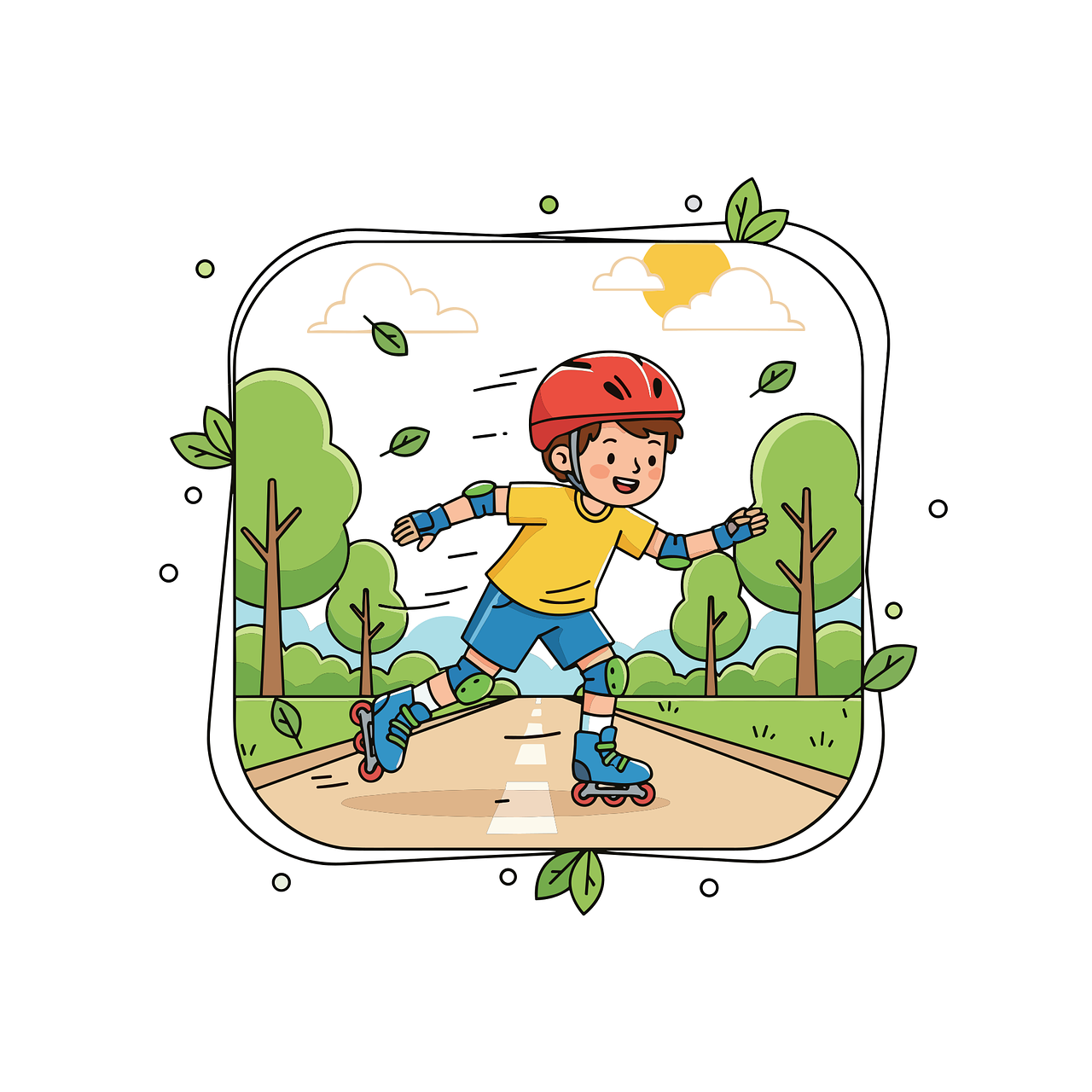
Investing in proper safety equipment enhances children’s outdoor workout experiences, ensuring their well-being during physical activities. Begin by encouraging children to use appropriate footwear that provides ample support and protects their feet from injuries. Selecting shoes that are specifically designed for outdoor activities can help prevent slips or falls while fostering better performance. Depending on the exercises planned, additional safety gear may prove beneficial, such as knee pads for biking or elbow pads for skateboarding. Helmets can be mandatory while cycling or riding scooters, significantly reducing the risk of head injuries. Discuss the importance of this gear with your children, instilling understanding regarding safety precautions when participating in sports or workouts. Easily accessible safety equipment can serve as a constant reminder of the need for protection. Additionally, parents should model safe practices by wearing their gear as well. Creating a checklist together before outdoor workouts ensures nothing is forgotten. Ultimately, by adhering to safety protocols, children will feel secure and encouraged to try new activities without fear of injury, leading to a more enjoyable outdoor exercise routine.
Conclusion: Emphasizing the Joy of Activity
Ultimately, the primary goal in creating a safe outdoor exercise routine for children should be to emphasize the joy of physical activity. When children associate fitness with fun and adventure, they are more likely to develop and sustain healthy habits. Continuing to adapt and innovate activities based on children’s feedback will keep their interests piqued while ensuring they feel connected to their routines. Try to regularly assess and evaluate the effectiveness of the activities you design. Actively involving children in conversations about their likes and dislikes showcases that their opinions are valued. This approach not only empowers them but also helps you create a tailored routine that speaks to their preferences. Parents should remain patient and understanding, as developing a love for physical activity takes time. Engaging in regular outdoor workouts should be a positive experience rather than a chore. Celebrate every achievement, no matter how small, to nurture a lifelong passion for fitness. By instilling a love for active play and emphasizing fun, you’re contributing immeasurably to their physical, emotional, and social development while cultivating a bond that reinforces family togetherness.