
How to Balance Power and Technique in Freestyle Swimming
Freestyle swimming, also known as front crawl, is one of the most popular and efficient swimming techniques. To truly excel, it’s essential to find the perfect balance between power and technique. This begins with understanding the basic body position in freestyle. Keep your body flat and streamlined to reduce drag as you move through the water. Your head should be in line with your spine, and your kick should originate from your hips rather than your knees. Furthermore, practice bilateral breathing to ensure even muscle development and improve your overall technique. Breathing on both sides can enhance balance during your stroke. Engaging your core throughout the stroke will support stronger arm pulls and maintain stability. It’s wise to focus on a high elbow position during the pull phase, which helps to maximize the effectiveness of the stroke while generating power. Ultimately, consistent practice and attention to detail will lead to substantial improvements. Finally, consider working with a coach or utilizing video feedback for comprehensive evaluations of your technique.
Another critical aspect of freestyle swimming is the kick. While the kick does not generate the majority of forward propulsion, it significantly contributes to body position and stability. For effective kicks, ensure that your legs are straight but relaxed, creating a light fluttering motion. Avoid excessive splashing, which wastes energy and can create drag. Strengthening your calf and quadriceps muscles can enhance your kick. Utilizing a kickboard during training sessions can help isolate your kicking technique, allowing you to focus exclusively on leg movements without distraction. Incorporating drill sets that enhance your coordination will strengthen your overall freestyle efficiency. Drills like ‘catch-up drill’ emphasize proper arm stroke synchronization, improving timing and body mechanics. Moreover, practicing specific drills targeting breathing can enhance your stroke count per lap, resulting in improved endurance over longer swims. Always aim for streamlined movements, as a horizontally oriented body in the water reduces resistance. Additionally, excessive movements waste energy that could be harnessed for faster swimming. Regularly testing your progress, tracking your lap times, and making adjustments will guide your development as a freestyle swimmer.
Developing Arm Technique
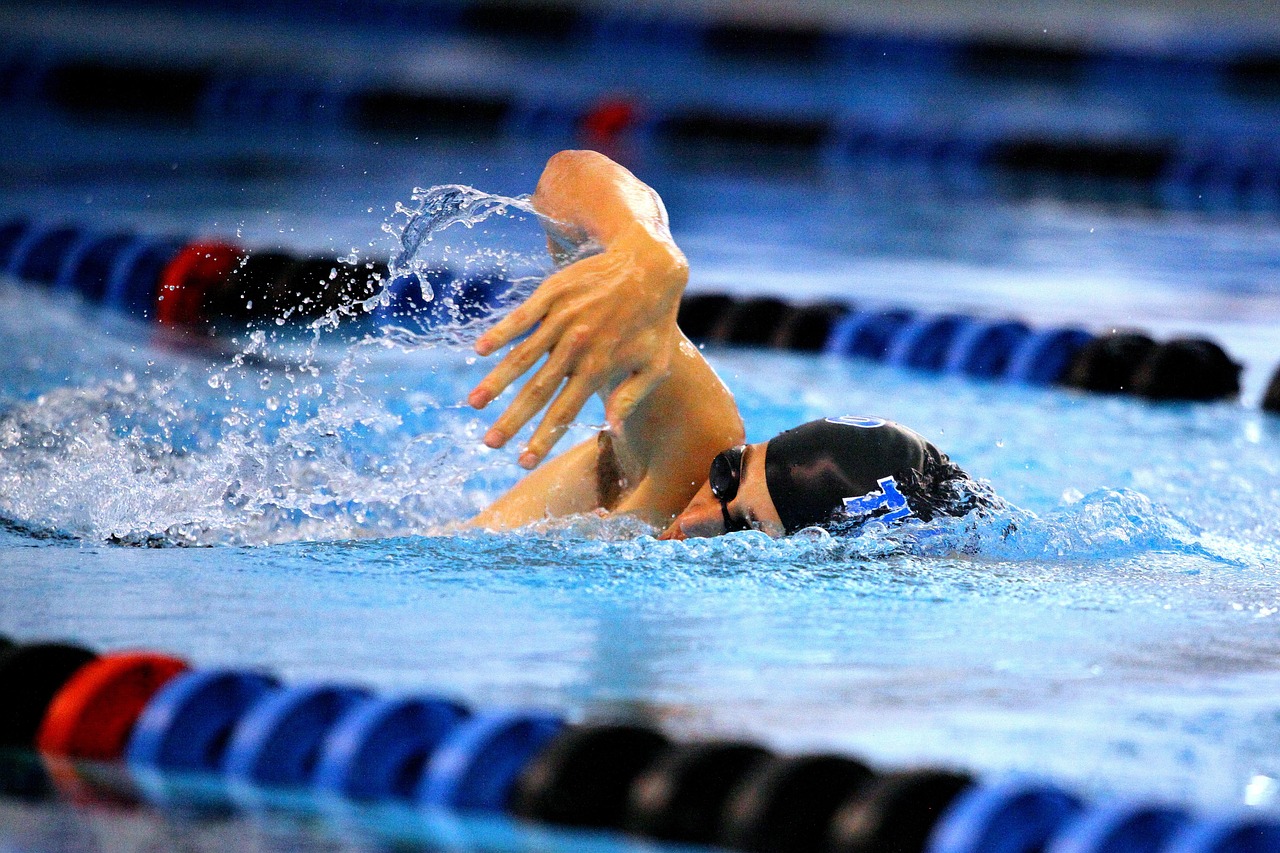
In freestyle swimming, the arm stroke is critical for generating speed and momentum. Concentrating on the pull phase of your stroke is vital. To perfect this, think of your hand as a paddle entering the water. The hand must enter the water in line with your shoulder and then extend forward. A high elbow catch engages the core and maximizes the efficiency of each stroke. Ensure your arm stays under the water as you complete the pull, avoiding an early exit that could impede your propulsion. When your hand exits the water, it should be relaxed and close to your body to prepare for the next stroke efficiently. A faster, smoother stroke maximizes energy usage, allowing you to swim longer distances without fatigue. To enhance this skill, include drills such as ‘one-arm freestyle’ to isolate each arm and reinforce the correct technique. Moreover, practicing time trials will help assess your efficiency. Combining muscle conditioning and mobility exercises will also contribute to arm strength and flexibility, both essential for powerful strokes.
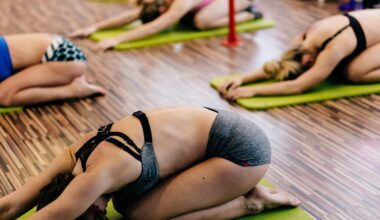
Moreover, core strength plays a pivotal role in balancing power and technique in freestyle swimming. A strong core stabilizes your body, allowing for fluid and powerful movements. Incorporate exercises like planks, Russian twists, and leg raises into your dryland training routine to build core strength. Focus on overall body conditioning, which will translate into better efficiency when swimming. Furthermore, engaging in cross-training activities, such as Pilates or yoga, can enhance your body awareness. Flexibility can significantly improve your range of motion, assisting in more effective kicks and strokes. Consistent practice of yoga poses that target the hip flexors and shoulders will aid in achieving a more streamlined position. Ensure that you perform warm-up stretches before each swim session to prevent injury. Flexibility training should also feature throughout your regimen; it not only improves mobility but also plays a crucial role in maintaining a low drag body position in the water. Leveraging the benefits of a strong core, combined with flexibility, will elevate your swimming performance exponentially.
Interval Training for Power and Endurance
To cultivate a perfect harmony between power and technique, swimmers should integrate interval training into their routines. High-intensity interval training (HIIT) is exceptionally effective for enhancing both speed and muscular endurance. During the workout, alternate between short bursts of maximum effort and periods of lower intensity. This methodology builds cardiovascular strength and explosive power, necessary for competitive swimming. Developing your sprinting capability in freestyle will improve your times remarkably. During workouts, consider timing sets of 25, 50, or 100 meters at high speeds with adequate rest intervals. Keeping track of your heart rate can also help measure your fitness improvements over time. Additionally, mixing in longer steady swims at a moderate pace will foster aerobic capacity. Finding the balance between these training techniques is crucial for success. Exploring varied interval lengths and recovery times can help discover what works best for you. Ensure to include proper cooldown techniques to aid recovery during high-intensity workouts. Final assessments will allow identifying progress, guiding adjustments and improvements necessary for achieving your swimming goals.
Nutrition is often an overlooked aspect contributing to performance in freestyle swimming. To sustain your energy levels, it’s essential to fuel your body with adequate nutrients before and after workouts. Consuming a mix of carbohydrates and proteins before exercising prepares your muscles for strenuous activity. Post-workout meals rich in protein promote muscle recovery and aid in rebuilding tissues that were stressed during training. Hydration plays a crucial role as well; consistently drinking water before, during, and after your sessions prevents fatigue and cramps. Consider periodic hydration assessments, especially during extensive training sessions. Utilize sports drinks for replenishment if exercising for extended periods, as they restore electrolytes lost through sweat. Manage overall caloric intake to suit your training demands as well. Tailor your meal plans to support both energy requirements and recovery processes. Incorporate healthy fats, fruits, and vegetables into your diet, enriching it with essential vitamins and minerals. Always ensure your body is prepared for rigorous training by maintaining a stable diet, which is fundamental for balancing power and technique effectively.
Reflecting on Progress
Finally, reflecting on your swimming journey is invaluable for improvement. Keeping a training log can track progress, highlighting successful techniques and workout routines. This will allow identifying what yields the best results, informing future training sessions. Regularly evaluate your swimming metrics, including stroke count, speed, and endurance. Utilizing swim watches or GPS devices can provide essential data affecting stroke efficiency and power. Engaging in self-assessment through video analysis can reveal areas for improvement. Make adjustments based on personal reflections and feedback from your coach. Understand that mastery is an ongoing process, and finding the right balance of power and technique requires continuous effort. Establish attainable goals that motivate as well as challenge you. Celebrate small achievements along your journey to maintain a positive mindset. While improvement can be gradual, consistent practice and dedication will yield significant results over time. Create a supportive environment by surrounding yourself with fellow swimmers who inspire and motivate your growth. Embrace the experience, cherishing every stroke, as it shapes your evolution as a skilled freestyle swimmer.
Embracing freestyle swimming as a part of your lifestyle can foster wellness and enjoyment. By focusing on both the physical and mental aspects of swimming, you can tap into overall health benefits while developing a powerful technique. Getting involved in local swim clubs, attending group lessons or competitions can be enriching. Sharing experiences with fellow enthusiasts often enhances motivation, making training sessions more enjoyable. Additionally, practicing mindfulness during your swims can promote relaxation and enhance focus. Pay attention to your breathing and body movements, ensuring your mind aligns with your physical performance. Swimming can serve as a form of meditation, helping to reduce stress and boost your mood. Consistency is crucial, so prioritize your swim schedule, aiming for regular practice sessions and accountability. As your skills grow, you may consider setting personal records or achieving competition goals. Keep in mind the joy swimming brings; every lap should be a reflection of your hard work. Striking the correct balance between power and technique will naturally lead to progress, but never forget that passion is the driving factor in becoming an exceptional freestyle swimmer. Embrace the challenges, and let your journey guide you.