
Managing Bone Density with Weight-Bearing Activity After Menopause
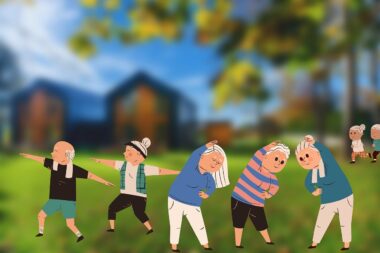
Menopause marks a significant change in a woman’s life, mainly impacting hormone levels. These hormonal shifts lead to a decline in bone density, posing risks for osteoporosis. Understanding how to mitigate these risks is vital for maintaining a healthy lifestyle post-menopause. In this context, weight-bearing exercises stand out as a compelling option to enhance bone health. These exercises force you to work against gravity and can effectively stimulate bone formation, and therefore are pivotal for preserving bone density during these transitional years. Activities like walking, climbing stairs, jogging, and dancing can be beneficial. Beyond improving bone strength, they contribute to overall physical fitness, preventing injuries as well. With appropriate guidance, women can adapt their routines to fit personal capability and available resources. Collaborative approaches can also motivate adherence; networking with friends or groups can enhance enjoyment and sustainability of these practices. Consequently, staying active significantly influences a woman’s health after menopause, highlighting the essential role of weight-bearing activities. Experts recommend engaging in such activities at least three times weekly for optimal benefits, which can counteract the effects of declining calcium absorption effectively.
Bone density is vital for reducing the risk of fractures, especially post-menopause, when the rate of bone loss accelerates. Engaging in consistent weight-bearing exercises can profoundly impact bone health, ultimately enhancing the quality of life. Activities such as jumping, dancing, and resistance training should be integrated into a balanced fitness regime. Restorative practices are equally important; incorporating balance exercises like yoga can prevent falls. These movements are crucial, as falls often lead to severe injuries, particularly in older women. It’s critical to strategize a well-rounded exercise plan tailored to individual fitness levels. Consulting a healthcare provider or a qualified fitness professional can facilitate this personalization. Recommendations typically include resistance training for major muscle groups and targeting all major joints. Weekly sessions that span 150 minutes of moderate-intensity aerobic activity benefit cardiovascular health while supporting bone density too. Additionally, nutritional considerations are paramount; adequate calcium and vitamin D intake complements physical activity. Thus, the integration of specific exercises and nutrition forms a holistic approach to bone health, enabling women to age gracefully while minimizing risks associated with weakened bones.
The Importance of Nutrition for Bone Health
Alongside exercise, nutrition plays a vital role in maintaining bone density. For women, adequate calcium intake becomes crucial, especially after menopause when estrogen levels decline. Calcium-rich foods include dairy products, leafy greens, nuts, and fortified foods. Additionally, vitamin D is essential for calcium absorption. Vitamin D can be sourced from sunlight, certain foods, and supplements, making it a crucial nutrient for maintaining overall bone health. Special attention to balanced nutrition is needed because deficiencies can exacerbate bone loss. Furthermore, incorporating a diverse array of foods ensures that other necessary vitamins and minerals, such as magnesium and phosphorus, also promote bone health. Staying hydrated is another fundamental aspect often overlooked; adequate water intake facilitates numerous bodily functions, including nutrient transport. Proactively addressing nutritional needs establishes a solid foundation for successful weight-bearing exercise integration. It’s advisable to monitor one’s dietary habits steadily and consult with nutritionists for tailored guidance. Weaving healthy eating patterns with an active lifestyle creates synergies that vastly enhance bone density while delivering multiple health benefits.
Tracking progress is beneficial for motivation, enhancing adherence to a fitness regime focused on bone density. Keeping a journal can aid accountability and allow adjustments based on experiences and physical responses. Utilizing devices such as pedometers or fitness trackers can quantify activity levels and surpass targets progressively. Setting achievable but challenging goals cultivates a sense of accomplishment, inspiring individuals to continue their journeys toward strong bone health. Competition or collaboration with friends can also provide a supportive atmosphere. Encouragement from peers may evolve routines into enjoyable social experiences. Additionally, celebrating milestones can bolster motivation; reward systems for achieving goals can enhance the ongoing commitment to exercise. Regular assessments with health professionals can provide feedback on progress, allowing adjustments in regimen and nutritional habits as needed. Such holistic tracking encompasses physical and emotional aspects of well-being, encouraging sustainable practices in the long run. Ultimately, fostering a cultural shift towards valuing healthful practices leads to greater stability in maintaining bone density effectively throughout one’s post-menopausal years.
Exercise Resources and Class Options
Exploring diverse exercise options can significantly enhance adherence to a bone health regimen; joining classes specifically tailored for post-menopausal women is beneficial. Many local community centers, gyms, or wellness organizations offer targeted programs on bone health maintenance. These group activities foster camaraderie while delivering knowledgeable instruction. Certified trainers can guide participants in safely incorporating weight-bearing exercises into their routines, focused on effectiveness and injury prevention. Online platforms also provide access to various instructional videos, which can aid individuals who prefer home workouts. Resources like YouTube feature numerous routines that incorporate strength training and weight-bearing activity. Seeking educational workshops or webinars can further deepen understanding. Additionally, smartphone applications tailored for physical activity tracking can facilitate organization and progress monitoring by offering reminders for scheduled workouts. As technology advances, finding resources aligned with personal preferences creates an empowering environment, allowing women to take charge of their health proactively. Engaging in weight-bearing activities within structured environments not only supports bone health but also encourages social interaction and emotional support.
Potential barriers to maintaining a consistent exercise routine should be identified and addressed. Time constraints can hinder efforts, making it essential to prioritize fitness along with daily commitments. Structuring workouts into segments can maximize time efficiency. Even brief sessions of activity can yield benefits, especially when performed consistently. Motivation fluctuations can occur, requiring strategies to rekindle commitment. Developing a flexible approach allows for adjustments based on energy levels or circumstances. On the other hand, accessibility to facilities or proper environments can be challenging; exploring alternatives ensures options are available for various conditions. Home-based exercises should not be underestimated, utilizing body weight or resistance bands to facilitate weight-bearing components. Additionally, self-efficacy plays a pivotal role; building confidence in one’s abilities encourages individuals to persist despite any hurdles faced. Keeping a growth mindset proves advantageous; focusing on progress rather than perfection leads to better emotional resilience. Therefore, tackling obstacles upfront positions women to uphold commitments towards physical activity and cultivates an empowering atmosphere for maintaining bone density post-menopause.
Conclusion and Long-term Commitment
Commitment to weight-bearing activities must be long-term, as benefits accrue over time. Transitioning into a sustainable lifestyle involves acknowledging that the journey toward maintaining bone density is ongoing. Building habits takes time and patience, but the rewards are substantial and can last a lifetime. Longevity and improved quality of life can result from effectively integrating physical activity and nutrition into daily schedules. Encouragement from family and peers can make significant differences and create supportive networks. This network could represent vital resources and emotional reinforcement throughout the journey. Scheduling regular check-ins with health professionals allows for consistent evaluation and provides opportunities for continual improvement. Over time, stronger bones yield confidence in physical activity, ultimately translating into independent living. Therefore, as effective weight-bearing exercises become routines, excitement about ongoing engagement can foster an enriching experience. After menopause, women can lead vigorous lives through proper engagement in weight-bearing activities. Establishing a powerful combination of exercises that promote both physical and emotional well-being ensures long-term health and vitality, enabling women to navigate their later years with strength.
Ultimately, prioritizing bone health remains crucial throughout life, particularly in the post-menopausal phase, where proactive measures mitigate risks related to osteoporosis and other complications. Embracing a comprehensive approach involving exercise, nutrition, motivation, and community resources empowers women to take control of their health. Practical actions today serve as the foundation for preserving bone density and enhancing quality of life for years to come. Understanding these elements can build confidence in pursuing activities that fortify bones and overall health. By participating in joint programs, women can support each other and inspire collective progress towards maintaining strong bones. Remember, the journey does not have to be undertaken alone; share your goals and experiences with others. Thus, uniting like-minded individuals can foster accountability, making the path to improved bone density more enjoyable and motivating for everyone. Overall, it’s time for women to engage actively and prioritize their health by incorporating effective strategies. Such endeavors will ripple, promoting a positive cycle of healthy living. Monitoring, adapting, and committing to a dynamic regimen creates a transformative experience in managing bone density post-menopause.