
Low-Calorie Slow Cooker Recipes to Stay Fit
If you are looking to enjoy healthier meals without compromising on flavor, then low-calorie slow cooker recipes are a fantastic option. Using a slow cooker allows you to prepare nutritious dishes that retain fiber, vitamins, and minerals, while keeping calorie counts in check. Slow cooking transforms lean meats and vibrant veggies into tender, succulent meals, perfect for anyone watching their calories. You can create a variety of recipes by experimenting with whole grains, legumes, and fresh herbs to enhance flavor without adding excess calories. Ingredients such as quinoa, lentils, and brown rice serve as excellent bases for low-calorie meals, providing essential nutrients while being filling. To maximize taste, incorporate low-sodium broths, spices, and citrus, which can elevate the natural flavors of ingredients without excessive calories. Both meal prep and cleanup are simplified with a slow cooker, making it easier to enjoy healthy meals throughout the week. Discover how simple ingredients and a bit of time can yield delicious, quick, and healthy dinner options that you and your family will love. Low-calorie recipes never tasted so good, so grab your slow cooker, and let’s get cooking!
Benefits of Using a Slow Cooker
Using a slow cooker for preparing low-calorie meals offers numerous health benefits. One significant advantage is the ability to cook healthy meals in bulk. This method promotes portion control, as you can easily store leftovers for future meals. Slow-cooked meals help to develop rich flavors practically by themselves, allowing you to use less oil or fat. You can vary the ingredients without adding too many calories, which is an essential factor for maintaining a balanced diet. Moreover, slow cooking preserves the quality of food; many nutrients remain intact due to lower cooking temperatures. Meals take longer to prepare, making slow cooking convenient for busy individuals who wish to return home to a warm, wholesome dinner. Prepping on weekends for the week ahead gives you the chance to experiment with different recipes and iron out favorite combinations. Additionally, slow cooking can be cost-effective, as it allows you to make good use of tougher cuts of meat that become tender with lengthy cooking. Therefore, embracing a slow cooker for low-calorie food preparation can support your health goals while also being budget-friendly.
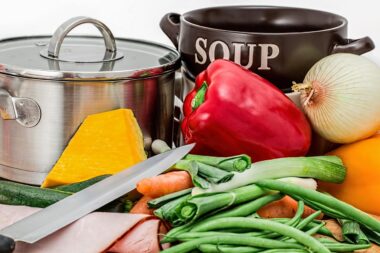
Now let’s look at some delicious low-calorie slow cooker recipes that are sure to please. One of the simplest recipes you can try is a vegetable soup loaded with seasonal produce. Start by chopping a variety of your favorite vegetables, such as carrots, celery, and zucchini. Add in low-sodium vegetable broth, herbs, and spices for extra flavor. Let the slow cooker work its magic, and enjoy a filling soup packed with nutrients. Another favorite option is the chicken and quinoa dish. Use boneless chicken breasts, quinoa, diced tomatoes, and a mix of spices. This hearty meal is filling yet nutritious, making it perfect for a healthy dinner. If you’re a fan of chili, consider a turkey and bean chili recipe. You can substitute ground turkey for beef, enhancing your dish’s protein without adding excessive calories. Experimenting with various beans, vegetables, and seasonings can create your perfect bowl. Finally, sweeten your experience with a slow cooker fruit crisp, using oats and a light touch of honey. Each dish provides a low-calorie solution without sacrificing taste.
Transforming Everyday Ingredients into Healthier Dishes
Transforming your everyday ingredients into healthy dishes using a slow cooker is both easy and rewarding. Start with proteins like skinless chicken, fish, or beans, which are excellent low-calorie options. Pair these proteins with a variety of colorful vegetables such as bell peppers, broccoli, or spinach, which offer vitamins and antioxidants without high caloric content. Whole grains also play an important role in many slow cooker recipes; brown rice and barley add fiber, keeping you full longer. Herbs and spices such as garlic, cilantro, and cumin can be used generously without adding calories. You can reduce sodium intake by using fresh herbs instead of salty sauces or pre-packaged seasonings. Incorporating fresh produce into your meals is a great way to boost flavors and nutrition. Experiment with different combinations to keep your meals interesting. Tracking your recipes in a journal or app can help you remember your favorites and adjust portions for your dietary requirements. You may also consider joining a community group focused on healthy cooking, where you can share tips, inspirations, and new recipes.
Additionally, it’s helpful to familiarize yourself with some essential slow cooker tips for optimal results. First, always remember to layer ingredients accordingly; place denser vegetables at the bottom and meat on top. This arrangement ensures that everything cooks evenly throughout the cooking process. Second, avoid opening the lid unnecessarily. Each time the lid is removed, heat escapes, potentially extending cooking time and altering results. Third, consider cooking large batches and freezing extras; this strategy is efficient for healthy meal prep throughout the week. Most slow cooker dishes freeze exceptionally well, retaining their quality when reheated. Moreover, using a programmable slow cooker benefits busy lifestyles, enabling you to set specific cook times. It will switch to ‘warm’ after cooking, preventing overcooking while waiting to serve or when you’re running late. Fourth, be mindful of cooking times for different ingredients. Proteins and vegetables have varying cooking durations, and understanding these characteristics will improve your slow cooker skills. Finally, ensure you have the right tools for portioning and serving meals; investing in quality utensils is important.
Making Healthy Eating Sustainable
Maintaining a low-calorie diet can certainly be challenging, but slow cooker recipes can assist in making healthy eating more sustainable. Incorporating the right ingredients ensures you remain full and satisfied while reducing the chances of unhealthy snacking throughout the day. As you prepare your meals in advance, you make conscious decisions that align with your health objectives. Having healthy options ready to go minimizes the temptation to choose quick, unhealthy alternatives on busy days. Moreover, cooking in large batches bolsters sustainability; not only will you save time, but you will also reduce food waste by using up ingredients efficiently. By planning out your meals, applying the principles of mindful eating becomes simpler. Pair your slow cooker dishes with fresh salads or steamed vegetables for a balanced meal. The fiber-rich greens will support digestive health while keeping your calorie intake low. Remember to hydrate; drinking ample water throughout the day often curbs unnecessary snacking. Finally, consider sharing your low-calorie meals with friends and family to enhance motivation. Involve them in your healthy cooking journeys!
Lastly, let’s address some common misconceptions surrounding slow cooking. There is a prevailing myth that slow cookers produce bland meals; however, this is far from reality. Proper seasoning and the choice of fresh, quality ingredients transform dishes into flavorful masterpieces. Another misconception is that slow cookers take too long to prepare meals. In fact, by investing a few minutes in the morning or before your day, you can set your meals to cook while you handle other responsibilities. Over time, you will realize that slow cooking is not just convenient; it can also fit in any busy lifestyle. Additionally, many people believe that slow cooker meals are all soups or stews. However, the versatility of slow cookers enables you to create dishes like lasagna, meatballs, or even desserts. Do not shy away from trying new recipes! Lastly, it’s crucial to remember that slow cooking does not mean sacrificing nutrition; you can still personalize each dish, enhancing its health benefits. Through experimentation and exploration, you find the joy in healthy cooking, making it a lasting part of your eating regimen.
In conclusion, low-calorie slow cooker recipes provide endless possibilities for delicious, healthy meals. Utilizing fresh ingredients and great flavors can lead to satisfying dishes that meet dietary goals. By embracing slow cooking, you will enjoy the benefits of flavorful food while saving time and effort. Each recipe offers opportunities to explore new tastes and ingredients. Whether you’re preparing a vegetable-packed soup, a hearty chicken and quinoa dish, or scrumptious desserts, consider how these meals can support your well-being. The balance of nutrition and convenience comes from planning, creativity, and learning how to effectively use your slow cooker. Every dinner can become a delightful experience that provides nourishment and joy without guilt. For those new to cooking or pressed for time, low-calorie slow cooker recipes are your best friend. With just a little preparation and patience, you can establish a routine that makes health dining enjoyable for you and your loved ones. Experimenting with new recipes keeps the experience vibrant; don’t forget to share successes with your family and friends! Enjoy the journey of healthy cooking and stay committed to making positive choices for your lifestyle.