
Understanding Pool Etiquette
Pool etiquette is an essential aspect of swimming, especially for beginners. When you enter a swimming pool as a new swimmer, it’s crucial to follow certain unwritten rules to ensure a harmonious experience for everyone. First, always shower before entering the pool. This simple act promotes hygiene and keeps the pool clean for all users. Wear appropriate swimwear that is both comfortable and suitable for public pools. Avoid baggy clothing, as it can hinder movement in water. Additionally, be mindful of the lane you choose. More experienced swimmers often use the faster lanes, while beginners should opt for slower ones or designated recreational lanes. Remember to maintain a space between yourself and others to avoid collisions. Use proper dive techniques if you choose to jump into the pool and be aware of your surroundings. Never swim alone, especially if you are still gaining confidence in your skills. Lastly, show kindness and patience towards fellow swimmers and lifeguards, as everyone is there to enjoy the water. Following these basic guidelines will help enhance your swimming experience and foster a positive environment in the pool.
Communication is Key
As a beginner swimmer, effective communication with fellow swimmers can significantly improve your pool experience. If you find yourself in a lane and feel uncertain about your swimming speed, it’s okay to ask others how they prefer to share the lane. Most swimmers are understanding, and a simple gesture like giving a thumbs-up can clarify intentions. Additionally, when passing slower swimmers, it’s important to signal your approach to avoid surprises. A friendly tap on the feet from behind usually indicates that you’re ready to overtake, so they can prepare accordingly. If you’re unsure about the rules or general pool etiquette, don’t hesitate to ask a lifeguard or experienced swimmer for advice. They are typically eager to help newcomers and can provide useful insights. Join swimming classes to not only enhance your skills but also meet others with the same interests. Remember that being part of a swimming community encourages mutual respect. Understanding non-verbal cues, such as eye contact with other swimmers, helps in making the swimming experience more enjoyable for everyone involved.
In any communal space, safety should always come first. As such, understanding and adhering to pool safety rules is vital for new swimmers. Familiarize yourself with emergency signaling procedures and know where lifeguards are stationed. Being aware of the shallow and deep ends is crucial; diving in shallow areas can lead to severe injuries. When entering the pool, employ proper techniques. Avoid running on deck, as it may lead to slips and falls. If you notice someone struggling in the water, don’t hesitate to alert a lifeguard. They are trained professionals and equipped to handle emergencies. Additionally, when it comes to swimming with children or beginners, supervise them closely, and utilize flotation devices if necessary. Maintaining a respectful distance from others reduces the chances of accidents. Furthermore, avoid engaging in horseplay, as it can lead to unintentional accidents. Lastly, keep an eye on posted rules, such as pool capacity limits and designated lane timings. These regulations are in place ensuring that everyone can enjoy the water safely and responsibly.
The Importance of Hygiene
Maintaining proper hygiene is one of the most important facets of pool etiquette for swimmers, especially beginners. Before diving into the pool, always make sure to take a thorough shower. This practice helps wash away any oils, lotions, or dirt that may contaminate the water. Swimming pools can be breeding grounds for bacteria if hygiene is neglected, and those germs can cause infections. After swimming, it’s equally essential to rinse off again to eliminate chlorine or other chemicals from your skin. Wearing proper swimwear also plays a key role in hygiene. Avoid wearing clothing that absorbs too much water or materials that could compromise hygiene standards in public pools. Be considerate of your fellow swimmers by not using the pool if you are feeling unwell. This includes when you have any signs of illness that could spread. It’s also recommended to avoid swimming with open wounds. Lastly, if you see litter or debris around the pool area, help maintain cleanliness by picking it up. These actions foster a more pleasant environment for all.
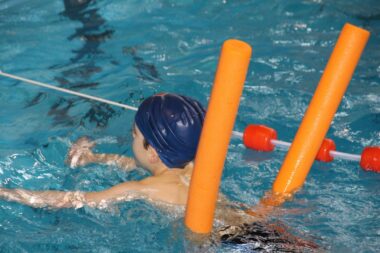
Knowing how to share pool space is another vital part of pool etiquette that beginners must grasp. When swimming in a lane with others, establish a clear understanding of your speeds and abilities. For instance, if you are a slower swimmer, position yourself in a designated slower lane. This allows for a smoother flow of traffic, reducing the chances of collisions. Also, when it comes to lane sharing, practice empathy and patience. Wait for an appropriate time to change lanes or when someone is about to pass. Communicate openly if you need to stop or take a break within the lane. In most cases, swimmers will appreciate your honesty. If you feel overwhelmed at any point during your swim, don’t hesitate to pause at the edge of the pool or at the lane markers. Use floating equipment, such as pool noodles or kickboards, for breaks if necessary. Enjoy the experience of swimming with others, and don’t see sharing space as a limitation but rather as a chance to improve your skills in a supportive community.
Understanding Swim Signals
For beginners, understanding swim signals is an integral aspect of effective communication while in the pool. As you navigate your swimming journey, you will notice common signals that help swimmers interact. One of the most important signals is the tap on the foot. This signal indicates you are ready to overtake another swimmer in the lane. Another gesture to recognize is the wave of the hand, which often prompts the swimmer next to you to speed up or maintain their pace. Knowing when to signal for lane changes is equally crucial; signaling by raising your hand in the water can make your intentions clear. Additionally, be observant of the expressions of other swimmers. A nod can mean acknowledgment, while eye contact can convey readiness to share the lane. Engaging with your fellow swimmers through signals promotes a closer-knit swimming community, reinforcing camaraderie and friendship. Practicing these signals regularly while swimming will enhance your awareness and will be beneficial in times of need. Always remember to respect each other’s space and communicate effectively as you swim.
In conclusion, etiquette at the pool is essential for creating a comfortable swimming environment for everyone, especially for beginners. Being aware of hygiene, safety, and proper communication can significantly enhance the swimming experience. Prioritizing cleanliness, both personally and in the surrounding area, is vital. Understanding lane sharing dynamics preserves harmony among swimmers of different skill levels. Moreover, effective communication using swim signals fosters camaraderie and smooth interactions. Don’t overlook the importance of respect, kindness, and understanding towards fellow swimmers and lifeguards. If you encounter difficult situations, feel free to ask for assistance. Everyone present in the pool is there for similar reasons, sharing the joy of swimming. Keep a positive mindset while you take small steps towards improvement. Continuous learning in swim etiquette can lead to a more enjoyable bathing experience. Familiarize yourself with the pool’s layout, lanes, and timing. All these considerations contribute to a safe and harmonious environment. By applying these guidelines, you not only enhance your swimming experience but also contribute positively to the community enduringly.