
How to Design a Powerlifting Program for Different Experience Levels
Designing a powerlifting program requires consideration of various factors, including the lifter’s experience level, goals, and individual needs. Whether you are a beginner, intermediate, or advanced lifter, a well-structured plan should focus on the three primary lifts: the squat, bench press, and deadlift. Beginners should start with foundational movements to develop proper technique and build a solid base. Incorporating assistance exercises can help strengthen related muscle groups. For intermediate lifters, program design should incorporate variations of the main lifts, focusing on strength-building with specific percentage work. This phase can emphasize volume and intensity to continue progressing. Advanced lifters might benefit from more complex programming, including periodization and peaking phases. This method allows for a focus on both strength and technique while balancing fatigue management. Always assess progress and be adaptive to changes; monitoring how your body responds is crucial. A combination of skill acquisition, strength, and recovery should guide your program design decisions. Overloading on weaknesses helps to create a balanced approach, ensuring continual development in all lifts. Remember, consistency is key across all experience levels.
Considering Individual Goals in Powerlifting
When designing a powerlifting program, it is essential to consider the lifter’s individual goals. Different lifters may have varying aspirations, whether it’s achieving a specific weight class or just increasing their overall strength. Beginners should set realistic, achievable milestones that provide motivation and a sense of accomplishment. Intermediate lifters can refine these goals to target personal records (PRs) in the three main lifts, while advanced lifters often focus on competition preparations and maximising potential. Every goal should be SMART: Specific, Measurable, Achievable, Relevant, and Time-bound to ensure clarity. Establishing short-term and long-term objectives helps maintain focus and assess progress effectively. Additionally, it’s crucial to adapt training frequencies, volumes, and intensities according to these individual goals without overwhelming the lifter. Assessing recovery needs, lifestyle factors, and stress levels can contribute to more realistic expectations. Incorporating deload weeks can aid recovery and prevent burnout, especially for those lifting heavy consistently. Individualized programming is imperative to achieve success in powerlifting. Finally, consider working with a coach or experienced lifter who understands the nuances of these goals, providing invaluable feedback and support.
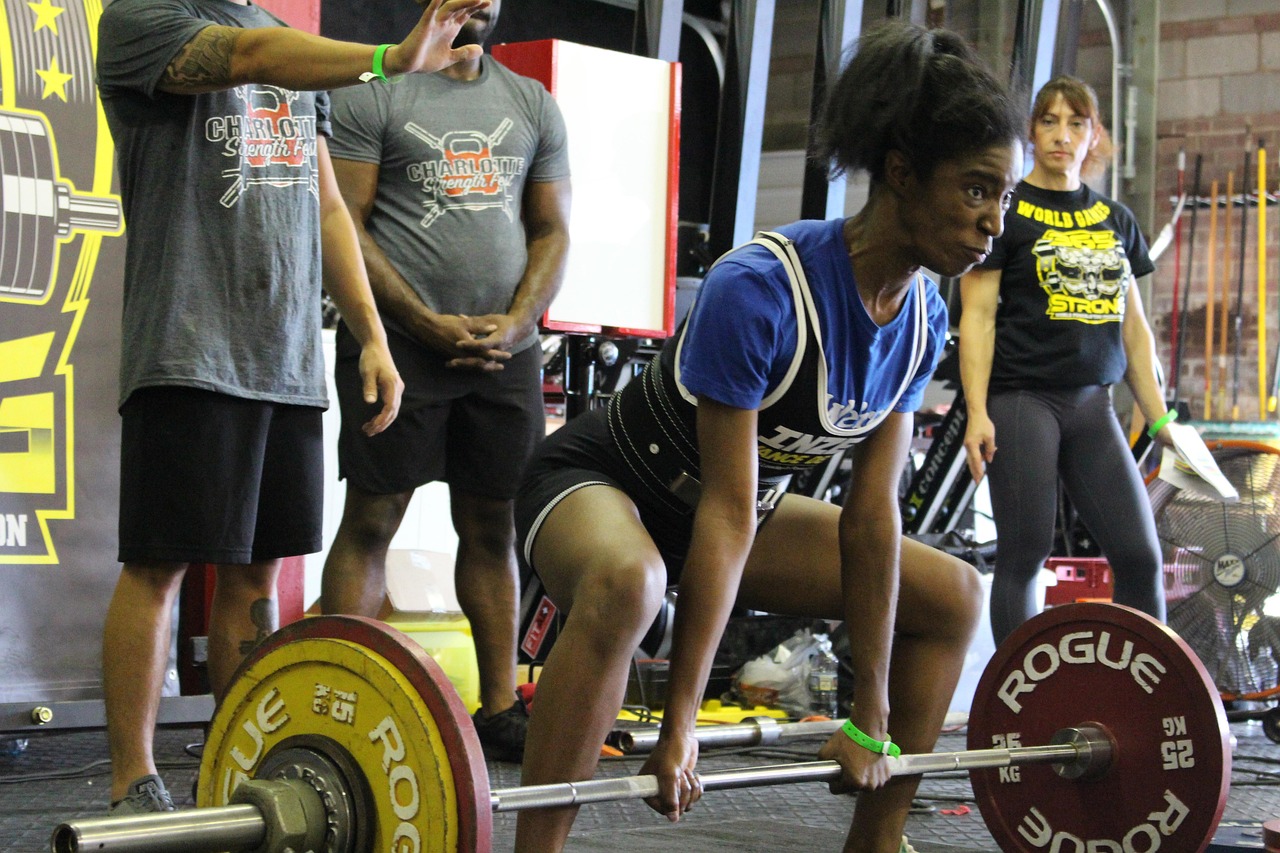
Strength training for powerlifting requires a dedicated approach to technique, particularly in the squat, bench press, and deadlift. Beginners must master these lifts by prioritizing correct form over lifting heavier weights. Utilizing video analysis can be a beneficial tool for assessing form during workouts. It allows lifters to observe their movement patterns and identify areas for improvement. Moreover, consistent practice is required for skill acquisition in powerlifting, meaning that frequency shouldn’t be neglected. This necessity for regular training helps ingraining proper technique in muscle memory. Techniques like the dynamic warm-up and mobility work can prepare the body effectively for the stress of lifting heavy weights. Additionally, lifters should engage in accessory work that targets weak points, ensuring overall muscle balance. Progressively increasing the loads while ensuring safety should also be paramount; lifters must listen to their bodies and adjust training accordingly. Ultimately, focusing on becoming proficient in the lifts will promote strength gain and progress, regardless of your experience level. In summary, developing a sound technique is a fundamental foundation upon which any successful powerlifting program must be built.
One critical component when designing a powerlifting program is determining how to periodize training. Periodization involves systematically varying training intensity and volume to maximize performance gains and avoid plateaus. For beginners, it can be helpful to utilize a linear approach where they gradually increase load and volume over a specific period, typically from 8 to 12 weeks. This method can create tangible strength increases while allowing adequate recovery time. For intermediate and advanced lifters, undulating periodization can provide more variation, alternating between high volume and high intensity throughout the week. This leads to enhanced muscle adaptation, allowing lifters to experience continual progress without overtraining. Additionally, incorporating specific peaking phases to prepare for competitions is vital for advanced athletes. This can involve tapering the volume leading up to the competition, focusing on maximizing strength once fatigue is minimized. Lifters should also incorporate recovery weeks after intensive training cycles to allow the body to adapt and rebuild. The art of periodization is crucial for sustained success in powerlifting, emphasizing the balance between pushing for gains and allowing adequate recovery times to keep progressing.
Nutrition for Optimal Powerlifting Performance
Nutrition plays a critical role in supporting a powerlifting program. Proper dietary habits can enhance performance, recovery, and overall strength progression. Lifters should focus on consuming a diet rich in whole foods, emphasizing lean proteins, healthy fats, and complex carbohydrates to fuel workouts. Protein intake is vital for muscle recovery and growth; incorporating sources like chicken, fish, beans, and dairy can assist in achieving this goal. Adequate carbohydrate levels are necessary to maintain energy during workouts, particularly on days with heavy lifting. Creating a balanced nutrient timing framework, where lifters consume meals before and after training, can optimize performance and recovery. Staying hydrated is equally important; maintaining fluid balance during workouts ensures optimal muscle function and recovery processes. Another aspect of nutrition involves considering supplements, such as creatine or branched-chain amino acids (BCAAs), which may support performance enhancement. However, it is essential to ensure these supplements are part of a well-rounded diet. Finally, experiment with different foods and meal timings to understand what works best for your body; each individual may respond differently to various dietary strategies.
Rest and recovery should never be overlooked when creating a powerlifting program. Adequate recovery is crucial for muscle repair and growth, ensuring strength progression continues over time. Developing a sound recovery plan involves ample sleep, active recovery sessions, and managing stress levels effectively. Sleep stands as one of the essential recovery tools; studies show that 7-9 hours of quality sleep significantly impacts athletic performance. Lifters should prioritize sleep hygiene, including maintaining a consistent sleep schedule, creating a comfortable sleep environment, and reducing stimulants before bedtime. Active recovery, such as light aerobic exercises or mobility work, can promote blood flow to muscles, aiding recovery without placing additional stress on the body. Incorporating rest days into your weekly schedule is equally important; listening to your body’s signals helps avoid overtraining and injuries. Underestimating the importance of rest can hinder long-term progress. Incorporating relaxation techniques, such as meditation or yoga, may also help manage stress, promoting both mental and physical recovery. Finally, remember that recovery is part of training. A well-designed powerlifting regimen should appropriately balance training intensity and recovery to maximize overall results.
Tracking Progress in Your Powerlifting Program
Tracking progress throughout your powerlifting program is essential to ensuring continuous improvement. Monitoring strength gains, workout volume, and lifting technique can provide valuable insight into what works and what needs adjustments. Lifters should keep a training log documenting the weights lifted, sets completed, and any relevant notes regarding performance or technique. This practice can help identify patterns of progress and potential areas for improvement, allowing for an informed approach to program adjustments. Regular assessment of the main lifts every few weeks can also provide indicators of progress, such as hitting new personal records or increasing volume safely. It’s essential to celebrate these milestones since they contribute to ongoing motivation. Additionally, utilizing video recordings of lifts can help identify technical flaws that may hinder progress. Feedback from coaches or training partners can further enhance this process, providing perspective and recommendations for improvement. Furthermore, publicly sharing your goals can help create accountability in your progress. Social media, forums, or local lifting communities often serve as supportive spaces for this purpose. In conclusion, systematically tracking progress is indispensable for optimizing results in powerlifting.
Overall, designing a powerlifting program requires a multifaceted approach tailored to the lifter’s experience level and individual goals. Starting from sound technique development for beginners, progressing through periodization, nutrition, recovery, and tracking methods, each aspect plays a crucial role in ensuring ongoing progress. Every lifter, regardless of experience, must remember that patience and consistency will yield the best results. Investing time in honing one’s craft will pay dividends as strength increases over time. The journey of powerlifting is both rewarding and challenging; it requires dedication and hard work. Implementing a well-rounded program that focuses on all facets of strength training will maximize overall performance. Don’t hesitate to reach out to more experienced lifters or coaches for guidance, as their insights can provide invaluable support. In this sport, community plays a vital role. Building connections with fellow lifters can foster a supportive environment, helping to maintain motivation and commitment throughout the training process. Ultimately, powerlifting is about personal development, pushing limits, and achieving hefty goals. Embrace the journey ahead, and keep striving for improvement.