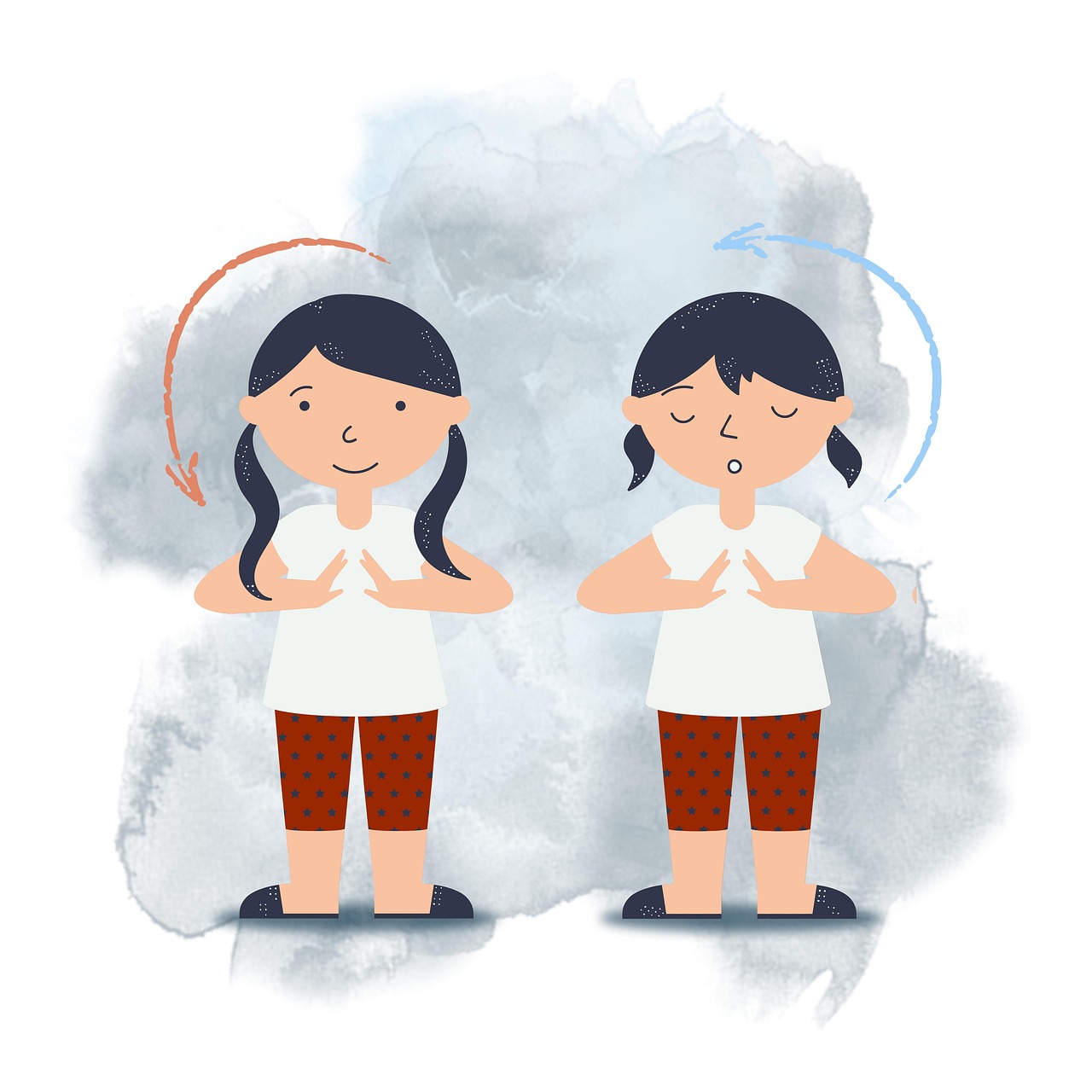

How Controlled Breathing Modulates the Immune System
Controlled breathing techniques have gained recognition as a part of holistic health approaches. Their influence on immunity is profound, linking mental health with physiological responses. Stress often leads to a decrease in immune function, while focused breathing can mitigate that effect. By calming the mind, breathing exercises lower cortisol, the stress hormone, enhancing overall immunity. The vagus nerve is crucial in this connection, controlling heart rate and inflammation. When stimulated, especially through slow and deep breaths, it promotes relaxation responses, fostering a better immune response against pathogens. This response enables the body to combat infections more effectively. Additionally, controlled breathing encourages better oxygen exchange within the lungs, improving cellular function. The body’s cells require optimal oxygen for energy and production of immune defenses. Techniques like diaphragmatic breathing provide these benefits, engaging both the diaphragm and abdominal muscles. Regular practice of these techniques contributes to long-term health, reinforcing the body’s resilience over time. Thus, incorporating controlled breathing into daily routines can be a simple yet effective strategy to enhance one’s immune system and overall health.
Recent studies have shown a fascinating connection between controlled breathing and the modulation of inflammation in the body. Chronic inflammation is linked to various diseases, including autoimmune disorders and cancer. Controlled breathing lowers inflammatory markers significantly, highlighting its therapeutic potential. The mechanisms are associated with the activation of the parasympathetic nervous system. Engaging in these techniques regularly leads to a balanced release of cytokines, proteins that mediate immune responses. This balance is crucial in preventing excessive inflammatory responses that can damage healthy tissue. In turn, such practices can help maintain proper homeostasis within the body. Furthermore, controlled breathing supports lymphatic flow. The lymphatic system plays an essential role in immune function by transporting white blood cells and clearing toxins. Breathing techniques enhance this system’s efficiency, promoting detoxification. In addition to physiological benefits, the mental component must not be overlooked. Many individuals report feeling calmer and more focused while practicing controlled breathing. The combination of mental clarity and enhanced immune function reinforces the need for a sustainable practice. Consequently, integrating controlled breathing into one’s lifestyle serves multiple purposes, merging physical and mental well-being effectively.
Moreover, several breathing techniques specifically aim to boost the body’s adaptive immune responses. For instance, methods such as the Buteyko method focus on reduced breathing frequency. This technique promotes optimal oxygen and carbon dioxide levels in the body, which play crucial roles in maintaining immune function. By recalibrating the respiratory process, it encourages the body to operate more efficiently. Another effective technique is the Wim Hof Method, known for its emphasis on controlled hyperventilation combined with cold exposure. This method reportedly enhances resilience by training the body to adapt to stressors. Studies indicate increased production of adrenaline during these exercises, which can further energize immune cells to respond effectively. Tongue positioning and other aspects of these techniques also contribute to their effectiveness. For instance, proper tongue posture during breathing impacts airflow and oxygen delivery. Correct alignment aids in efficiency and stress reduction, yielding better health outcomes overall. Furthermore, creating a routine around these techniques can foster discipline that extends beyond breathing. Such routines cultivate emotional resilience, further improving one’s ability to manage stress and function effectively amidst challenges. Thus, adapting these techniques serves as a holistic approach to health.
Importantly, the role of mindfulness and mental focus should not be understated in breathing techniques. Practicing controlled breathing requires presence and concentration, inherently linking breathwork to mindfulness. This connection amplifies the benefits of breathing exercises, anchoring them in stress reduction and improved mental states. Mental clarity gained through mindful breathing directly influences immune function. When individuals commit to focusing on their breath, they often notice a decrease in anxiety levels. Lower anxiety leads to lower levels of stress hormones, contributing positively to overall immune system performance. Furthermore, stress can manifest physically, affecting digestion and hormonal balances. Effective breathing techniques help restore balance, enhancing not just the respiratory system but overall health. Integrating mindfulness into breathing practices can facilitate a deeper connection to oneself. This personal growth aspect nurtures emotional health and encourages reflective practices that foster resilience. Importantly, breathing aids may be used across various settings, such as before important events or during moments of anxiety. This adaptability emphasizes their versatility, allowing individuals to find calm and create space for wellness at any moment. Ultimately, this signifies a continual journey towards achieving balance in life.
Practical Applications of Controlled Breathing
In practical terms, implementing controlled breathing can be realized through simple structured sessions throughout the day. Techniques such as the 4-7-8 method can be readily employed. Participants inhale for four seconds, hold for seven seconds, and exhale for eight seconds. This accessible methodology encourages relaxation and reduces anxiety. Individuals can practice these methods anywhere, making them convenient for busy lifestyles. Another useful approach is the box breathing technique, which includes equal parts inhaling, holding, exhaling, and holding again, each for a count of four. This method structures breathing into micro-practices. These micro-practices are useful even in stressful scenarios; they can help regain focus amid chaos. Breathing techniques can also complement other wellness practices such as yoga or meditation. Incorporating them into these routines magnifies their benefits. Moreover, nighttime sessions can improve sleep quality through enhanced relaxation by practicing deep breathing before bed. This preparation fosters better sleep hygiene, contributing to overall well-being. Consistently applying these techniques leads to engraining breathing practices into daily life, thus establishing healthier patterns that can significantly affect one’s immune health positively.
Furthermore, technology has enhanced access to breathing techniques through various applications and online platforms. Guided sessions, timers, and reminders help users integrate breathing practices into daily routines seamlessly. These resources cater to beginners and seasoned practitioners alike, adapting to different levels of experience and preference. Users can choose from multiple breathing styles, focusing either on energizing techniques or calming methods. Several applications provide visual aids, such as animated breathing guides, improving the engagement factor. Additionally, it encourages users to monitor their progress over time. Also, incorporating breathing techniques into corporate wellness programs promotes a culture of health within organizational structures. As employees face stress at work, practices that prioritize mental wellness are essential. By teaching controlled breathing strategies, organizations can enhance employee productivity and morale. Employees experience less stress and are more engaged, subsequently benefiting the company’s overall performance. Thus, widespread implementation of breathing techniques across multiple domains has significant potential. Whether personal or professional, controlled breathing practices can foster improved health outcomes, creating a balanced approach to well-being that can span both physical and emotional dimensions.
In conclusion, understanding the science behind controlled breathing reveals substantial implications for health, particularly immunity. Integrating these techniques into daily life emerges as a simple yet effective health strategy. The powerful interplay between controlled breathing and the immune system acts as a reminder of the body’s interconnectedness. Likewise, daily practices encourage mental clarity, resilience, and enhanced immune function. With various techniques accessible to anyone willing to practice, the benefits extend well beyond immediate stress relief. Such practices cultivate a proactive attitude towards health, promoting both mental and physical well-being. Continuous breathing practices are not solely about relaxation; they embody a holistic approach toward nurturing immunity and vitality. In the journey toward health improvement, controlled breathing techniques represent foundational tools. They facilitate deeper self-awareness and provide the ability to counter stress in today’s fast-paced life. Mutual reinforcement of physical and mental well-being creates a stronger foundation for long-term health. As individuals explore these practices, they embark on a path toward resilience and enhanced quality of life. Thus, adopting controlled breathing is an inviting opportunity to foster holistic wellness in everyday routines.
In conclusion, understanding the science behind controlled breathing reveals substantial implications for health, particularly immunity. Integrating these techniques into daily life emerges as a simple yet effective health strategy. The powerful interplay between controlled breathing and the immune system acts as a reminder of the body’s interconnectedness. Likewise, daily practices encourage mental clarity, resilience, and enhanced immune function. With various techniques accessible to anyone willing to practice, the benefits extend well beyond immediate stress relief. Such practices cultivate a proactive attitude towards health, promoting both mental and physical well-being. Continuous breathing practices are not solely about relaxation; they embody a holistic approach toward nurturing immunity and vitality. In the journey toward health improvement, controlled breathing techniques represent foundational tools. They facilitate deeper self-awareness and provide the ability to counter stress in today’s fast-paced life. Mutual reinforcement of physical and mental well-being creates a stronger foundation for long-term health. As individuals explore these practices, they embark on a path toward resilience and enhanced quality of life. Thus, adopting controlled breathing is an inviting opportunity to foster holistic wellness in everyday routines.