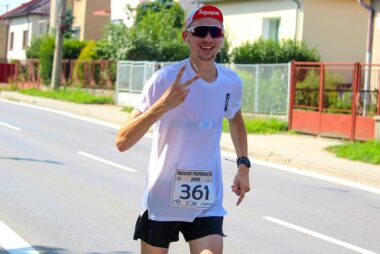

Top 10 Training Tips for Young Distance Runners
Young distance runners must focus on foundational training to ensure long-term success in their athletic careers. One of the most important aspects is setting clear and achievable goals. Goals provide direction and motivation while training. Additionally, they help athletes track progress and mark achievements along the journey. Runners should set both short-term goals, such as completing a certain distance, and long-term goals like achieving a personal best time in their next race. Furthermore, each training session should incorporate a variety of workouts, including easy runs, tempo runs, and interval training. This variety prevents boredom, builds stamina, and increases speed. It is also essential for young runners to embrace strength training. Including strength exercises improves confidence and minimizes the risk of injury. Moreover, maintaining proper hydration is crucial during training periods. Young athletes often forget to drink sufficient water, leading to decreased performance. Parents and coaches should regularly remind them to stay hydrated throughout their workouts. Lastly, it is vital to encourage young runners to listen to their bodies. Overtraining can lead to burnout or injury, making rest days and recovery vital components of a balanced training regimen.
Another essential aspect of training for young distance runners is proper nutrition. It plays a significant role in enhancing performance and improving recovery times. Young athletes should prioritize a well-balanced diet with various food groups, including carbohydrates, proteins, fats, vitamins, and minerals. Carbohydrates provide energy necessary for running, while proteins are vital for muscle repair. Parents can assist by planning healthy meals, incorporating whole grains, lean proteins, fruits, and vegetables into their diets. Additionally, creating a culture around meals that emphasize the importance of fueling the body helps instill lifelong habits. Moreover, young distance runners should invest time in learning proper running techniques. Using appropriate form reduces the risk of injury while also improving efficiency and speed. Coaches can help demonstrate various techniques, providing feedback and guidance for corrections as required. Another area worth exploring is developing mental toughness. Visualization, positive self-talk, and focusing strategies can build this resilience essential for competitions. Young athletes should practice mental techniques during training to prepare for race day challenges. Ultimately, combining these training methods can help foster a successful journey for young distance runners, empowering them as athletes in every aspect.
Importance of Warm-Up and Cool Down
Another significant component of training is proper warm-up and cool-down routines. Runners must dedicate time to dynamic stretching and light jogging before starting their workouts. Warming up gradually increases heart rates and blood flow to the muscles, reducing the chances of injury. Young athletes might feel eager to jump straight into running; however, these preparatory steps are essential. After training sessions, cooling down helps to gradually bring the heart rate back to normal levels. This practice assists with muscle recovery and decreases post-training soreness. Young runners should consider incorporating gentle stretches during their cooldown period, promoting flexibility and aiding muscle relaxation. Additionally, recovery strategies should become integral to their routine. Young athletes will benefit from understanding the need for effective rest days, ensuring optimal recovery. This practice is essential in preventing fatigue and maintaining peak performance. Sleep also plays a critical role in recovery as muscle repair and growth predominantly occur during rest. Coaches and parents should advocate for good sleep hygiene practices to ensure their athletes are well-rested. Maximizing the benefits of recovery techniques will support young distance runners in their continuous growth and development.
In addition to physical performance, cultivating a supportive environment is vital for young distance runners’ success. Parents, coaches, and peers can help create the ideal atmosphere to nurture budding talent. Establishing supportive relationships fosters confidence as young runners pursue their goals. It is essential for parents to be involved, understanding their role in encouraging their child’s passion for distance running. Being present at competitions, offering constructive feedback, and encouraging consistent training can significantly impact motivation. Furthermore, a positive peer network encourages healthy competition, promoting camaraderie and resilience among athletes. Young runners can also learn valuable lessons from each other by sharing experiences and strategies. Coaches should facilitate this social aspect of training, organizing group runs or team-building events designed specifically for runners. Access to expert coaching is crucial when developing skills and strategies. Getting guidance from those with experience ensures young athletes develop their full potential safely and effectively. It’s equally important for athletes to engage in community races and events, allowing them to gain experience in various situations and pressures. Positive experiences shape their perspective on distance running while reinforcing continued passion for the sport.
The Role of Competition
Competition plays a crucial role in a young distance runner’s development. Participating in races helps athletes gauge their progress and identify areas for improvement. Young runners can develop valuable experience about race strategies, pacing, and mental resilience. Competing also serves as a motivating factor, driving athletes to push their limits and strive for personal bests. It is essential for young runners to learn how to handle both victory and defeat gracefully. Coaches can emphasize the importance of good sportsmanship, ensuring that athletes understand the value of perseverance through challenging experiences. These lessons will serve them throughout life, whether on or off the track. Additionally, young athletes should take time to celebrate their accomplishments, no matter how small. Acknowledging progress fosters confidence and reinforces the benefits of hard work. Moreover, when set in a supportive environment that values growth over outright competition, young runners can fully experience the joys of the sport. Parents and coaches must assure athletes that it’s not just about winning but embracing the journey to becoming the best version of themselves. This holistic approach turns distance running into a fulfilling lifelong passion.
Finally, the journey of young distance runners encompasses all aspects of their lives. Young athletes live busy lives, managing school, sports, and social activities, meaning time management is key for success. Balancing their athletic commitments with academic responsibilities teaches valuable life skills. Young runners should learn to prioritize their tasks effectively while ensuring they allocate adequate time for training, schoolwork, and downtime. Engaging with teachers about schedules can help them maintain balance without fostering stress. Parents can assist by helping their children create schedules and plans that support both academics and training. Furthermore, remaining adaptable is crucial as unexpected challenges often arise. This ability helps athletes maintain focus on their overarching goals without becoming overwhelmed. Communication is a core skill that young distance runners should develop and practice, aiding in expressing their needs and concerns. Runners should feel comfortable discussing adjustments and asking for guidance when necessary. Ultimately, the pursuit of distance running transcends mere physicality; it cultivates valuable life skills such as determination, commitment, and teamwork, ultimately resulting in well-rounded individuals prepared to tackle any challenges they may face.
Conclusion: Nurturing Future Athletes
In conclusion, equipping young distance runners with the right tools, skills, and environments is essential for fostering their development. All the tips outlined contribute to creating a well-rounded experience that nurtures enthusiasm for the sport. By focusing on proper training methods, nutrition, mental fortitude, and supportive relationships, parents and coaches play essential roles in each athlete’s journey. Recognizing the joys of competition and the importance of rest and recovery creates balanced practices essential for long-term success. As young distance runners develop in these crucial years, the right support system helps empower them to reach their full potential. Encouraging resilience, adaptability, and teamwork lays the foundation for future athletic endeavors and life challenges. Ultimately, distance running provides many opportunities for youth to grow physically and mentally. The goal is not merely to produce exceptional athletes but to cultivate kind, determined individuals who can navigate and thrive in the world. By embracing these principles, we can help nurture a generation of passionate distance runners prepared to conquer both the track and life’s journey ahead.
In summary, the training tips provided for young distance runners can significantly impact their growth and development as athletes. Each tip encourages a holistic approach, integrating physical, mental, and emotional aspects of running. Adopting these principles fosters not only health and wellness but also personal growth, discipline, and resilience. Young runners, equipped with these strategies, can navigate the challenges that accompany their athletic pursuits. As they continue their journeys, the lessons learned will span beyond running, transferring to many aspects of their lives, ensuring they grow into well-rounded individuals. The passion ignited through distance running can lead to lifelong habits and connections that extend well beyond their youth. Emphasizing collaboration among coaches, parents, and peers creates a thriving community dedicated to supporting each other’s development. Nurturing young distance runners ultimately enhances the running community and shapes future leaders and advocates for a healthy, active lifestyle. Together, they can create positive changes within their communities, inspiring others to engage in physical activities. This investment in youth athletics promises to contribute to a healthier Generation and a more vibrant running culture overall. Thus, embracing these training tips is truly invaluable to any aspiring young distance runner!