
Cold Water Swimming: Techniques and Best Practices
Cold water swimming is an exhilarating experience that offers both physical and mental health benefits. This practice is gaining popularity as enthusiasts discover its invigorating effects. To get started, it’s important to understand the risks associated with cold water exposure and to prepare adequately. Begin by gradually acclimating your body to colder temperatures, starting with short dips and progressively increasing the duration. Consider warming up before your swim with dynamic stretches to stimulate circulation and reduce the shock of cold water. Proper safety measures are vital: swim with a buddy, and choose safe, monitored locations. Always be aware of the weather conditions, and avoid swimming in extreme cold without proper gear. Beginners should wear a wetsuit or drysuit depending on the water temperature and personal preference. Embracing cold water swimming can lead to increased energy levels and improved mood. To maximize enjoyment, try incorporating breathing exercises and mindfulness techniques during your swims. This will enhance your overall experience and help you connect with the water, nature, and your own body.
Developing Cold Water Swimming Skills
As you progress in cold water swimming, developing key skills will improve your comfort and enjoyment. Start by refining your swimming technique, focusing on stroke efficiency and body position. A streamlined position will minimize resistance in cold water. Practice bilateral breathing as it helps keep your head above water while allowing for an even distribution of energy. Additionally, mastering sighting techniques is crucial for ensuring you stay on course. Learn to lift your head occasionally to ensure you’re swimming in a straight line while maintaining your rhythm. Cold water shock can be daunting, so familiarize yourself with controlled entry techniques. Enter the water gradually: immerse your lower body first, then proceed to your upper body. Maintaining control over your breathing is essential when facing the shock of cold temperatures. Consider utilizing flotation devices or fins until you gain more confidence in the water. Emphasize on listening to your body and knowing when to exit. Cold water swimming can be an exhilarating journey when seasoned with patience, skill development, and persistence.
Understanding the Health Benefits
Cold water swimming is linked to numerous health benefits, creating a strong reason to engage in this invigorating practice. One significant advantage is enhanced circulation, which leads to improved cardiovascular health. As the body adapts to cold temperatures, it increases blood flow to vital organs, promoting overall well-being. Furthermore, exposure to cold water can support mental health by reducing symptoms of anxiety and depression. Many swimmers report experiencing feelings of euphoria and increased relaxation after a cold swim. Exposure to cold water triggers the release of endorphins, which help improve mood and reduce stress. Another health benefit is boosted immune function. Regular cold exposure is known to enhance the body’s immune response, leading to better overall health and resilience to infections. Additionally, cold water swimming can improve muscle recovery by reducing inflammation and soreness post-exercise. The endorphin release provides both physical and mental relief. Incorporating cold-water swims into a regular exercise routine can greatly enhance your quality of life, integrating fun with significant health improvements.
Essential Gear for Cold Water Swimming
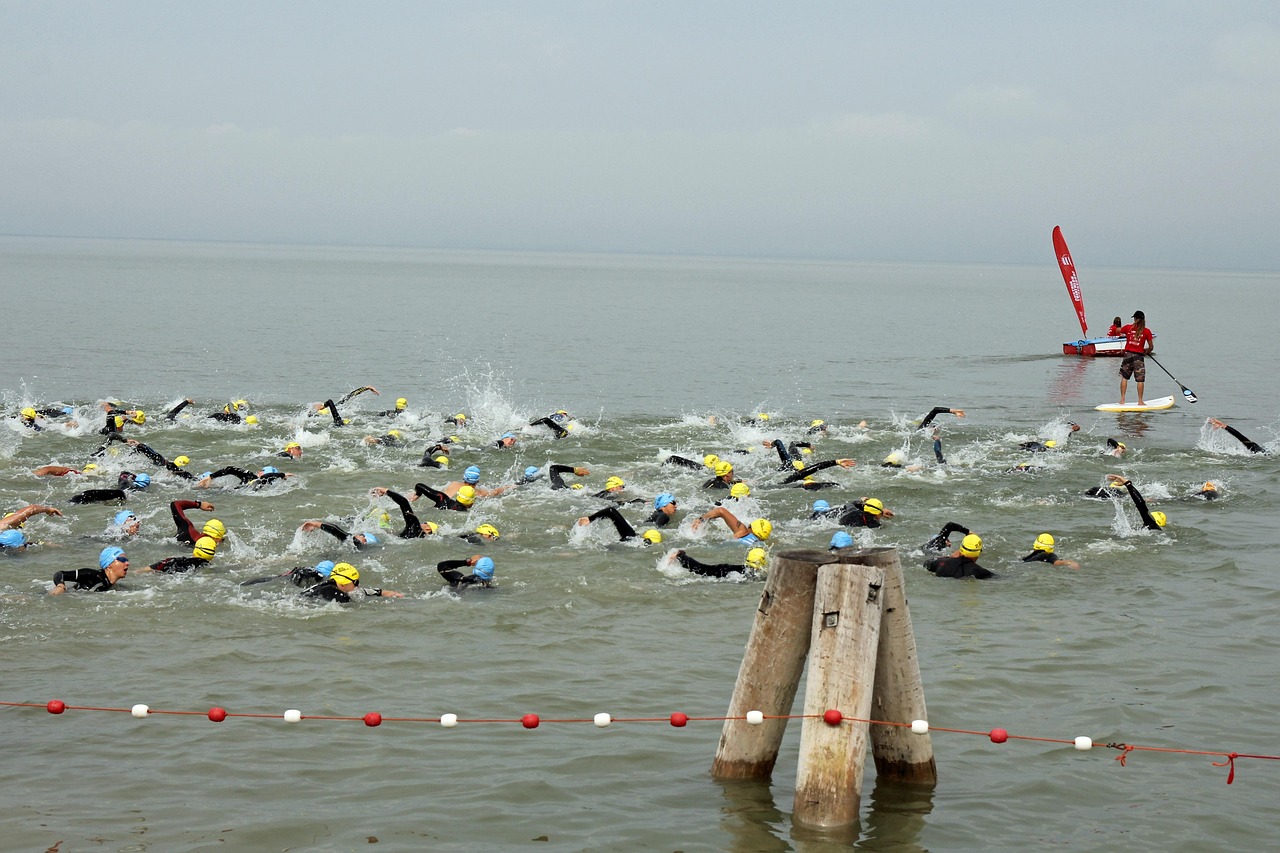
Having the right gear is crucial for a safe and enjoyable cold water swimming experience. Start with a quality wetsuit designed specifically for cold water. Wetsuits help insulate body heat while allowing for flexibility in movement. Choose a wetsuit that fits snugly to prevent water from entering and cooling your body too quickly. For extremely cold conditions, consider wearing a drysuit, which provides even greater insulation and protection against cold water. Additional essential gear includes neoprene gloves and booties to protect your extremities from cold shock. These items help maintain hand and foot warmth, enhancing overall comfort. A swimming cap made of neoprene can also help retain heat, as a significant amount of body heat is lost through the head. Don’t forget to invest in high-visibility swim caps and safety buoys, especially if swimming in open water. This will ensure you’re visible to boats or other swimmers. Lastly, consider bringing along a warm drink and a thermal blanket for post-swim recovery. Proper gear not only keeps you safe but enhances your enjoyment of this invigorating activity.
Safety Considerations and Best Practices
Understanding safety considerations for cold water swimming is essential for every enthusiast. One of the foremost practices is knowing your limits. Avoid pushing yourself too hard, particularly in extremely cold water. Always assess your conditions, including temperature, weather, and current whereabouts, before swimming. If you’re in unfamiliar waters, it’s wise to consult locals or experienced swimmers for tips. As mentioned, always swim with a buddy; it’s safer and more enjoyable with companions. Important to note is the need for a flotation device, especially when swimming in open water. In addition, wearing a brightly colored swim cap increases visibility. Be vigilant about tracking your body’s responses; shivering is a clear sign to exit the water immediately. Remember that conditions can change rapidly, so remain attuned to your surroundings. A pre-swim warm-up and post-swim cooldown routine can help your body adjust more effectively to temperature changes. Lastly, prepare for recovery by having warm clothes and drinks available. Following these safety practices can help ensure a more enjoyable and secure experience in cold water swimming.
Joining a Cold Water Swimming Community
Joining a community of cold water swimmers can enhance motivation and provide invaluable resources. Many regions have organized swim groups that meet regularly, which helps promote a sense of camaraderie among swimmers. You can benefit from group learning experiences, sharing tips and tricks as well as gaining encouragement from fellow participants. Many enthusiasts also partake in events or challenges, which can add a fun element to your swimming routine. Through these communities, you can access expert advice on technique, gear recommendations, and safety practices, where experiences are shared openly. Social interactions encourage commitment and consistency in your swimming practice. Group swims can also mitigate the solitude sometimes felt in cold water, making the experience more enjoyable. Additionally, friendships formed within these communities can offer support and companionship throughout your cold water journey, helping you stay motivated and inspire progress. Online forums and social media also provide platforms to connect with other swimmers, share your experiences, and seek advice from more seasoned cold water enthusiasts. In essence, joining a swimming community can turn this invigorating activity into a fulfilling social experience.
Seasonal Considerations for Cold Water Swimming
Seasonal changes notably affect cold water swimming experiences and practices. Understanding the seasonal variations helps swimmers prepare adequately for each phase of the year. During winter, cold water temperatures can become particularly frigid, necessitating proper gear and gradual acclimatization. Consider setting personal goals that align with the unique challenges of winter swimming, such as longer swim durations and enhancing cold tolerance. Spring brings opportunities for more frequent swims, as temperatures warm slightly. Transitioning into spring allows swimmers to test their limits carefully while still employing safety measures. Summer, on the other hand, can present interesting contrasts, where some are tempted to indulge in colder waters while others gravitate towards warmer settings for leisurely swims. Early autumn may offer the best of both worlds as water temperatures remain comfortable. When warm weather approaches, be cautious of increasing environmental temperatures, which can alter your swimming conditions rapidly. Resistance training in warmer months can further enhance stamina and comfort levels before diving into the colder waters of fall and winter. Understanding these seasonal changes is vital for optimal enjoyment and health.
Conclusion: Embracing the Cold Water Swim
Cold water swimming is a thrilling endeavor that combines adventure, health benefits, and personal growth. By embracing proper techniques and best practices, you can significantly enhance your experience and safety in cold water conditions. This practice not only encourages physical stamina and mental resilience but also allows you to connect with nature on a deeper level. The community aspect of cold water swimming adds a layer of support that enriches the overall experience. Remember that every swimmer’s journey is unique; listen to your body and heed safety advice, adapting as needed. Through commitment, enjoyment, and respect for environmental factors, you are well on your way to a rewarding cold water swimming journey. Always celebrate your achievements, big or small, and foster lasting friendships within the community. With perseverance, each immersion can lead to newfound strength and empowerment. Ultimately, cold water swimming offers a chance for personal transformation while boosting health and vitality. So gear up, gather your courage, and take the plunge! The cold water awaits you!