
Stretching and Mobility Defined
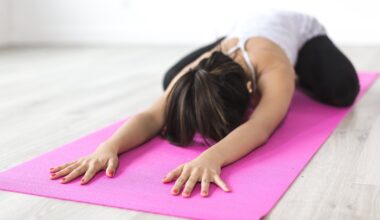
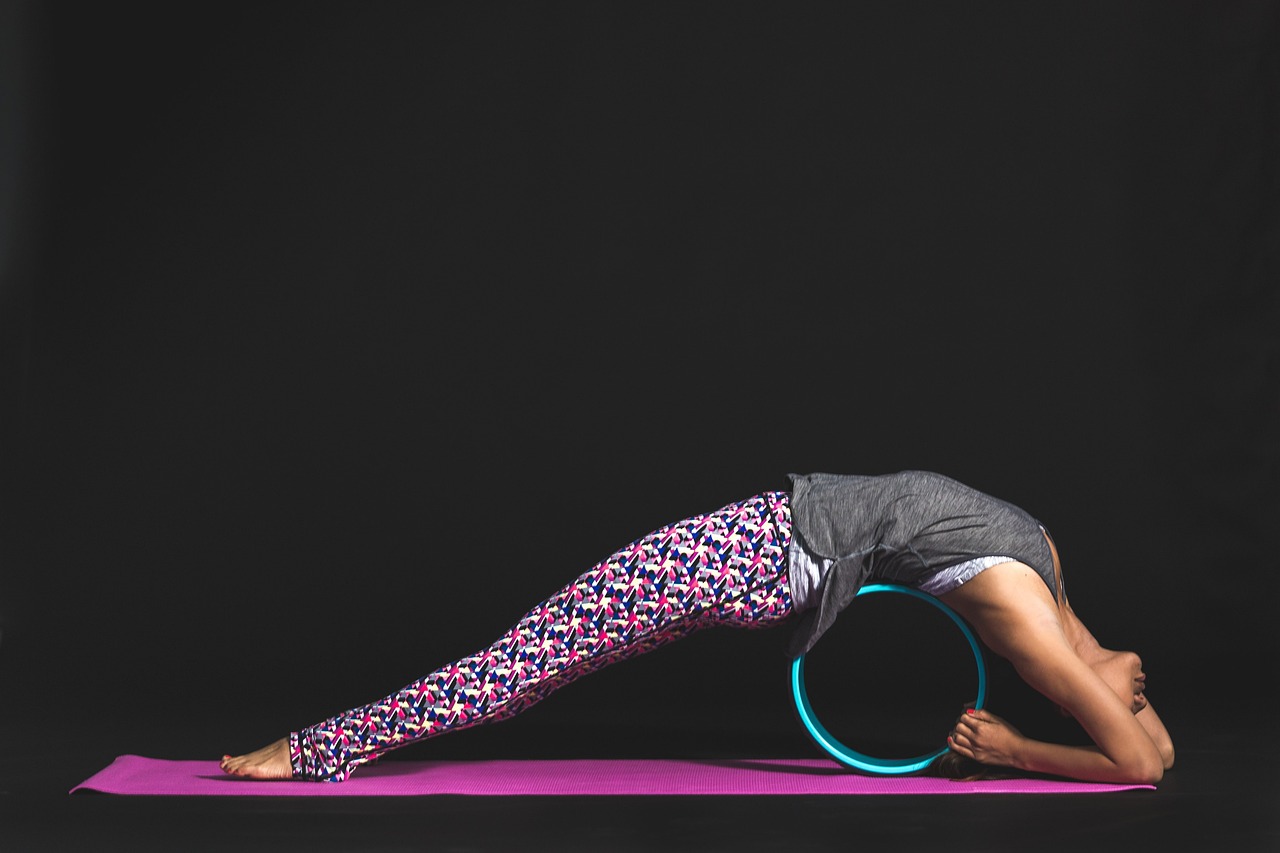
Stretching and mobility exercises are essential components of a well-rounded strength training regime, especially for women. Engaging in these exercises improves flexibility and prevents injuries. They are designed to increase the range of motion in joints, enhance muscle elasticity, and reduce the stiffness that often accompanies strength workouts. Regular stretching can particularly benefit women who lift weights by preparing the muscles for physical exertion. An effective way to approach stretching is to incorporate both dynamic and static stretches into your routine. Dynamic stretches, performed before workouts, include movements like leg swings and arm circles. Alternately, static stretches like hamstring stretches and quadricep pulls are best suited for post-workout recovery. Completing both types helps achieve overall muscle and joint health. Many experts recommend dedicating at least ten minutes at the beginning and end of your training session solely to mobility work and stretching. To further enhance your routine, consider integrating foam rolling, which aids in breaking down knots and improving blood circulation in the muscles. By prioritizing stretching and mobility, women can enhance their strength training results and ensure longevity in fitness pursuits.
One effective stretching technique for strength training is the hip flexor stretch, which targets the hip area and improves flexibility. To perform this stretch, begin in a lunge position with one knee on the ground and the other foot in front, ensuring the front knee is directly over the ankle. Gently push your hips forward while keeping your back straight. Hold the position for 20 to 30 seconds, feeling a comfortable stretch in the hip flexor of the back leg. Switch legs and repeat. This stretch is invaluable for women engaged in strength training, as tight hip flexors can lead to poor form in exercises like squats and lunges. Adding this stretch to your routine will enhance overall lower-body stability. Moreover, these stretches can aid in recovery after your workouts, reducing muscle soreness. To maximize benefits, consider implementing this stretch post-workout consistently. Consistency is crucial for maintaining flexibility. Over time, you’ll likely notice increased mobility in your squats and lunges, leading to better performance and strength gains. A well-designed short routine focusing on flexibility can greatly complement your strength training efforts.
Importance of Upper Body Mobility
Upper body mobility is incredibly important for a comprehensive strength training routine. Incorporating shoulder stretches can greatly enhance performance during exercises like overhead presses and pushups. The wall angels exercise is a fantastic way to improve shoulder flexibility. To perform this, stand against a wall with your feet slightly away from it and your back flat against the wall. Raise your arms to form a ‘W’ with your elbows bent. Slowly slide your arms up to create a ‘Y’ shape, keeping them pressed against the wall. Repeat several times; aim for 10 to 15 repetitions. This exercise works to realign the shoulder blades and opens up tight shoulder muscles, which are crucial for performing at your personal best. Another effective exercise is the chest stretch. Stand in a doorway and place your arms against the door frame while leaning forward slightly to feel a stretch across your chest. Regularly performing these stretches will lead to improved posture and ultimately more strength gains. With better upper body mobility, women can lift weights more effectively and with fewer risks of injury, which is particularly vital in maintaining long-term health.
Neck stretches are often overlooked but play a crucial role in comprehensive mobility training. A simple neck stretch involves tilting your head to one side while keeping your shoulder down. Hold this position for 20 seconds before switching to the other side. These stretches help alleviate tension from everyday activities, like sitting at desks. Implementing neck stretches into your warm-up routine can help maintain a healthy spine, thus improving overall stability. Likewise, wrist stretches are essential for women focused on strength training using free weights or cables. The wrist flexor stretch can be achieved by extending one arm in front of you, palm up, while gently pulling back on your fingers with the opposite hand. This stretch is vital since wrist strength and flexibility directly impact performance in various upper body exercises. Additionally, it can help prevent common injuries among strength trainers. Including wrist and neck stretches in your routine allows athletes to perform better and maintain a broader range of motion during different exercises. Sticking to a well-rounded stretching regimen is equally important as your lifting routine and should never be neglected.
Stretching for Core Stability
Core stability is vital for effective strength training. Stretches that target the core enhance flexibility while supporting overall strength development through the central part of the body. The cat-cow stretch is an excellent way to engage the core while improving spinal flexibility. Start on all fours, with your wrists directly below your shoulders and knees below your hips. Inhale as you arch your back and drop your belly toward the floor, then exhale, rounding your spine. Repeat for several breaths to increase mobility in the spine, benefiting a wide range of strength training exercises. Another effective core stretch is the seated forward bend. Sit with your legs extended out straight. Gently hinge at your hips to bend forward, reaching your hands towards your feet. Hold this position for 20-30 seconds, focusing on your breathing. This will help release tightness in your hamstrings and lower back, which is essential for activities like deadlifts. Combining these stretches into your warm-up or cooldown can enhance core stability and promote a more effective strength training experience for women.
Another important aspect of embedding stretching into a fitness routine is the incorporation of balance training. Exercises that improve balance also enhance flexibility and mobility. The tree pose is a fantastic balance exercise that helps enhance coordination and concentration while engaging the core. Stand on one leg while placing the other foot on the inner thigh or shin of your standing leg. Hold your balance for 10-30 seconds, focusing on a steady breath. This not only develops physical balance but encourages mental focus as well. Another great exercise is the single-leg deadlift using a light weight to challenge your coordination. Stand on one leg while you lower the weight towards the ground, keeping your back straight and the other leg extended behind. This engages your hamstrings and improves balance and stability, crucial aspects for women engaged in strength training. Implementing balance exercises allows women to become more aware of their bodies, improving posture and strength in a weightlifting setting. Balance routines can easily be incorporated into or juxtaposed with regular stretching sessions, rounding out a comprehensive workout program.
Conclusion on Flexibility Practices
In conclusion, the integration of stretching and mobility exercises into a strength training routine for women is not merely a suggestion; it is a necessity. Ensuring that your workout includes segments dedicated to mobility not only enhances flexibility but significantly reduces the risk of injury. Regularly scheduling time for mobility drills and stretches will pay dividends in your strength training performance. Women often overlook these exercises, thinking strength training alone will suffice, but flexibility is foundational for a balanced program. Understanding the specific benefits and techniques for each stretch and exercise can lead to better consistency and results. By focusing on both strength and mobility, you create a well-rounded fitness approach that fosters balance in physical health. A simple commitment of just a few minutes daily can over time lead to improved results and greater physical longevity. Therefore, take the time to prioritize your stretching and mobility, as it may just be the key to unlocking your full potential in strength training and maintaining your overall wellness.