
Seasonal Yoga Nidra Practices to Enhance Flexibility Recovery
Yoga Nidra is a powerful technique that integrates deep relaxation with conscious awareness. Practicing Yoga Nidra during seasonal changes can significantly enhance your flexibility recovery. As the body adapts to varying temperatures and humidity levels, incorporating specific practices can optimize your experience. Begin by laying down comfortably in a quiet space, ensuring that you are free from interruptions. You may wish to use props like pillows or blankets to support your body. This practice invites you to absorb the benefits without physical strain. Make sure to focus on your breath throughout the session, letting it guide you to deeper relaxation. You can quietly affirm your intention to improve flexibility before entering the deeper stages of Yoga Nidra. This intention not only helps your mind but also reinforces your body’s desire for greater flexibility, leading to enhanced recovery. If you struggle with flexibility during colder months, try grounding visualizations or warming affirmations throughout your Nidra practice. This will help soothe both body and mind as you explore the various layers of relaxation while focusing on flexibility recovery.
To further enhance the advantages of your Yoga Nidra practice, consider the time of year you are in. Each season requires adjustments that also affect our bodies and flexibility. For instance, in autumn, as temperatures drop, incorporating nurturing practices that focus on warmth and comfort might be beneficial. These gentle adjustments may promote better blood circulation and prevent stiffness in the body. Use the darker and cooler evenings of autumn to enhance your practice and encourage inner warmth. Contemplate gentle poses that honor the body’s need for stability and grounding. Winter is also a critical time for flexibility development when colder temperatures can lead to tight muscles. Utilize Yoga Nidra techniques that emphasize warmth and self-care during the cold season, prioritizing visualization of warmth flowing through your limbs. Spring is a great season for rejuvenation, so focusing on poses that stretch and open your hips will stimulate flexibility recovery. Finally, during summer, dedicate time to cooling breath practices while embracing the relaxed energy this season offers. This cyclical approach ensures that your Yoga Nidra practices effectively adapt to each season.
Your environment is crucial for a successful Yoga Nidra practice, especially for enhancing flexibility. Selecting a quiet, warm, and inviting space helps you achieve a deeper relaxation state. Consider using soft lighting, candles, or essential oils that promote relaxation and grounded feelings. Ambient music or nature sounds can also create an ideal backdrop for your sessions. As you cultivate your personal practice space, prioritize comfort and tranquility to encourage a supportive atmosphere for your mind and body. Ensure your mat or any other surface you practice on is comfortable. A blanket under your knees or head can promote a sense of safety and help you surrender into relaxation more easily. Always stay aware of your body temperature, adjusting your clothing or coverings to prevent distractions from the practice. A cozy setup promotes effective transitions into deeper stages of Yoga Nidra, where the body softens and opens up for flexibility recovery. Take time to immerse yourself in this environment as it can enhance your flexibility journey during seasonal changes. The more you nurture this space, the more beneficial your practice will become.
Incorporating Breathwork in Yoga Nidra
Breathwork is essential in Yoga Nidra to support flexibility recovery. Focusing on your breath allows you to cultivate mindfulness and make deeper connections within your body. Begin by practicing deep, intentional breaths as you settle into your Nidra session. Inhale slowly through your nose, allowing your diaphragm to expand fully. Count to four as you breathe in, hold for four counts, then exhale out through your mouth for another count of four. Engaging with this breathwork during your practice can further enhance the connection between body and mind. As your body relaxes, slowly visualize your breaths traveling through your muscles, releasing tension and inviting flexibility. Additionally, emphasize calming exhalations, as this can significantly aid in letting go of holding patterns and promote muscle elongation. Throughout your practice, remind yourself to maintain a steady cadence of the breath. Remaining focused on this rhythmic flow boosts your ability to gently explore your limits while opening your body’s capacity to stretch. Such mindful breathing patterns will ultimately aid in achieving greater flexibility as the seasons change.
Mindful movement plays a vital role in your Yoga Nidra practice to enhance flexibility. Although Yoga Nidra predominantly focuses on deep relaxation, integrating mindful movement can amplify the effects and further release tension in the body. Frequent gentle stretches before your Nidra session can help prepare your body for the deeper stages of relaxation. For example, adding simple standing or seated stretches can enhance your overall flexibility before lying down. Encourage your body to move with intention, allowing a natural flow rather than pushing yourself too hard. Pay attention to your breath as you transition between movements, fostering a seamless integration between flexibility and relaxation. Mindful alignment promotes body awareness, gently inviting you to navigate your limits without pushing past them. Incorporate slow and deliberate movements that resonate with your intention of enhancing your flexibility. Listening to your body during practices is paramount for a successful Yoga Nidra journey, particularly focusing on mindful transitions when entering and exiting poses. This balanced dance between movement and stillness becomes a powerful ally in facilitating your seasonal flexibility recovery.
Post-Nidra Reflection and Integration
After your Yoga Nidra session, devote time to reflection and integration. This step is essential for solidifying the benefits and lessons learned during your practice. Begin by taking a few moments to transition slowly from your Nidra experience, gently reawakening your body before fully sitting up. As you come back to consciousness, observe any sensations or feelings that arise. Journaling post-session can be particularly beneficial for capturing thoughts that emerged during Nidra. Note how your body feels, particularly in areas that sought flexibility improvement. By tracking your progress, you can identify patterns over time, allowing you to optimize your practices. Consider using a gratitude approach; acknowledging the work put forth during your practice can also highlight the commitment to your wellness journey. Integrating insights won from your practice into your daily routine ensures that these benefits persist beyond the mat. Whether that means incorporating mindful minutes throughout the day or integrating Yoga Nidra techniques in stressful situations, enhancing flexibility becomes a lifestyle choice. Celebrate those small victories, as they contribute significantly to long-term flexibility recovery.
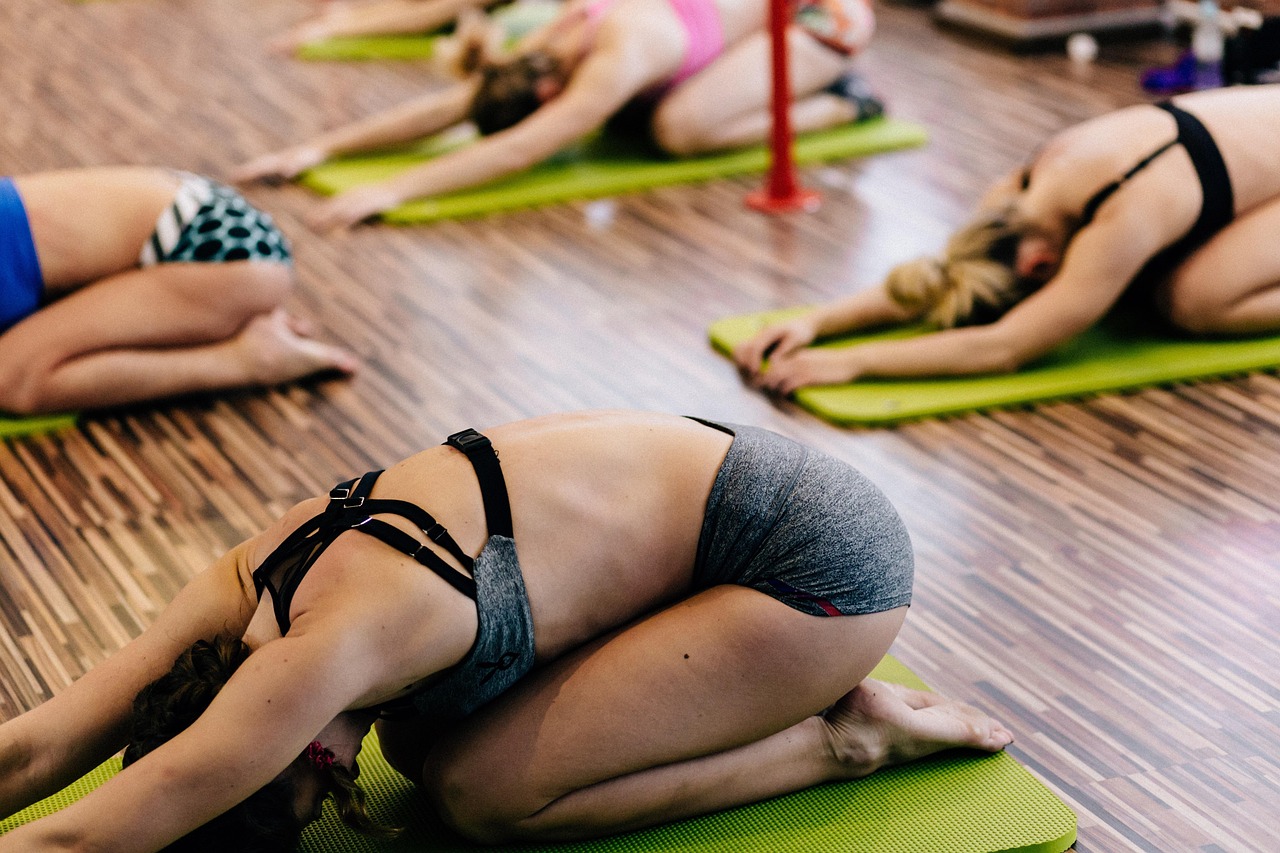
Finally, consider sharing your experience with others through group classes or community events. Engaging in a collective setting further reinforces your practice, fostering a sense of support among participants. Sharing insights allows you to deepen your understanding while inspiring others on their yoga journey. By promoting seasonal Yoga Nidra practices and enjoyable flexibility exercises, you can help create a compassionate community focused on well-being. Classes can offer diverse perspectives, allowing each participant to share unique approaches to flexibility recovery. Whether teaching a class or simply inviting friends to join you, utilizing collaboration fortifies both individual commitment and collective growth. You might also explore online platforms to expand your reach, providing resources for those who wish to enhance their flexibility remotely. Tell your story and empower others to embark on their experiences while discovering the profound benefits of Yoga Nidra. Integrating your seasonal practices with social engagement creates a powerful synergy that enhances overall well-being. Let this seasonal journey bring harmony, healing, and flexibility enhancement to your life and the lives of those around you.
Conclusion
Ultimately, Yoga Nidra is a transformative practice that deeply connects relaxation and self-awareness. By incorporating these seasonal practices, you empower yourself to cultivate flexibility recovery in a holistic and meaningful way. Approaching each season with intention fosters a symbiotic relationship with your body and environment. As seasons change, your mindfulness adapts, allowing you to align your practice accordingly. With added elements like breathwork, mindful movement, and reflection, your Yoga Nidra experience enriches not only flexibility but your overall well-being. As you embrace seasonal shifts and challenges, remember to create a nurturing environment that supports your journey. The continuous cycle of practice creates a foundation built upon personal exploration and connection, essential elements for enhancing flexibility recovery over time. Yogic principles encourage patience, trust, and self-compassion throughout your journey. Celebrate the progress, no matter how small, marking steps toward improved flexibility. Allow the beauty of seasonal changes to inspire your practice, cultivating resilience and adaptability as you flow through each transition. Carry these lessons off your mat and into your daily life, nurturing the joy of movement with grace and flexibility.