
How to Combine Resistance Bands with Other Fitness Equipment
Resistance bands are versatile tools that can enhance workouts significantly when combined with other fitness equipment. They can be integrated with free weights, cardio machines, and even bodyweight exercises to maximize effectiveness and adaptability. Using resistance bands alongside weights allows for increased tension, which can build strength and promote muscle growth. For example, while performing a dumbbell chest press, adding resistance bands provides additional resistance that targets more muscle fibers, enhancing the workout intensity. Additionally, resistance bands can help with stability and alignment, which is particularly useful when using machines like a leg press or when doing squats. They can also assist in making exercises safer, especially for beginners. By using bands for support, lifters can focus on form without overwhelming themselves with heavy weights. Furthermore, resistance bands are generally lightweight and portable, which makes them excellent companions for gym-goers on the go. Here are some ways to blend bands with other fitness equipment for a more thorough workout experience. Maintain proper form and technique at all times to avoid injury during training.
When integrating resistance bands with machines, such as a universal gym system, the key is to utilize the bands to create variable resistance. By anchoring bands to the machine, users can alter the resistance levels during their exercise ranges. This method is particularly effective for exercises like leg curls or lat pull-downs, where the bands can supplement the tension throughout the motion. Additionally, when combined with a rowing machine, resistance bands can offer a unique training adaptation, allowing for more productive movements by forcing the muscles to stabilize through the entire rowing pattern. Utilizing bands during aerobic exercises enhances cardiovascular training, making it more challenging and beneficial. Incorporating strength training tools together with bands allows for comprehensive training sessions that can target different muscle groups effectively. Another practical application is combining resistance bands with balance boards or stability balls, which can increase the degree of difficulty in exercises. This addition challenges the core muscles, improving overall stability and strength. The adaptability of resistance bands makes them invaluable for fitness enthusiasts at all levels. Focus on fluid movements for better results when overlapping these exercise methodologies.
Enhancing Bodyweight Exercises with Bands
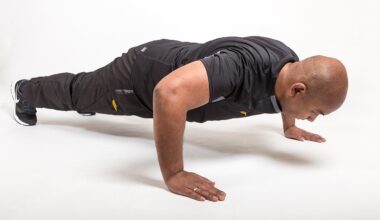
Bodyweight exercises often rely on one’s own body mass for resistance. However, adding resistance bands can elevate the intensity and create more muscle fatigue, stimulating muscle growth. For instance, during push-ups, placing a band around the back and holding it in place with hands can significantly increase the resistance on the upward movement. This technique can lead to better hypertrophy compared to regular push-ups alone. Other exercises such as squats and lunges also benefit from bands; wrapping a band around the thighs can enforce muscle activation in the glutes and quads, resulting in an increased calorie burn and stronger muscles. Moreover, integrating bands allows athletes to work on explosive movements more efficiently. Exercises like jump squats can be performed with a band for increased height and power. Additionally, bands enhance flexibility and can engage different muscle groups according to the desired outcomes. When used in conjunction with stretching or yoga routines, bands can also provide additional resistance during stretches, increasing their effectiveness. Always ensure the bands are of appropriate strength to avoid strain during workouts.
Cardio workouts can also be improved with the addition of resistance bands. By attaching bands to the torso while performing high knees or quick side steps, participants can experience increased resistance that makes the cardio session more strenuous. This approach improves endurance and enhances muscle retention during fat-burning activities, making workouts more efficient. Moreover, adding bands during cycling sessions enhances resistance training; bands can be attached to the pedal system for an innovative ride. This results in a strengthening element added to traditional cycling workouts. Combining bands with other cardio activities can offer additional challenges for athletes who have plateaued in their training regimen. Furthermore, using bands for dynamic warm-ups can prepare your body for a workout effectively, reducing the risk of injury. They can increase blood flow to muscles and elongate the muscle fibers before performance. Attaching bands to stationary bikes or elliptical machines can intensify resistance, maximizing calorie burn during these exercises. The blend of cardio and resistance training fosters better overall fitness outcomes. Be creative in your approach to keep your routine engaging and challenging.
Safety Tips When Using Resistance Bands
While resistance bands are generally safe, there are essential safety guidelines to adhere to ensure positive training outcomes. First, always inspect bands for wear and tear before each session, as frayed bands can snap during use and cause injuries. Opt for bands that have sturdy handles and strong connections to enhance safety performance. It is also vital to use bands that are appropriate for skill levels. Beginners should start with lighter resistance bands to develop proper techniques without risking injury. Gradually increasing the resistance as strength improves is advisable. Furthermore, when performing exercises with resistance bands, integrating minimalist movements slowly can help in mastering techniques without unnecessary strain. Proper warm-up sessions are required to get muscles prepared for exertion and to ensure flexibility. It is important to focus on form during exercises rather than rushing through repetitions. This slows the tempo but leads to better results while minimizing risks. Lastly, utilizing a fitness mat can help with traction and stability during workouts. Staying hydrated and maintaining a regular workout routine will dramatically enhance performance and results with resistance bands.
Mixing resistance bands with various types of fitness programs is a fantastic way to maximize a workout’s potential. Many fitness programs today incorporate bodyweight exercises, HIIT, or functional training, and the addition of bands amplifies the challenge and rewards. For example, in a high-intensity interval training session, users can utilize bands for added resistance during core activities, such as planks and bear crawls. This reinforces core stability and enhances overall strength. Moreover, functional training routines that mimic everyday movements can see greater benefits when bands are involved. Activities that blend push, pull, and squat movements can be enhanced with bands to promote balance and coordination. The cross-functional use of bands allows for more dynamic workouts and can aid in various athletic pursuits. Furthermore, resistance band classes offer group dynamics that gel well with social aspects of exercising. Group classes using bands provide motivation and accountability. The key lies in experimenting with different resistance levels and exercises. Finding the right combination is an enjoyable journey that leads to discovering effective training techniques.
Final Thoughts on Combining Bands
In conclusion, combining resistance bands with various fitness equipment can lead to workouts that are not only more dynamic but also highly effective. The versatility of bands enables users to enhance their training in multiple dimensions. They can be utilized for strength training, cardio enhancement, flexibility improvement, and rehabilitation practices. Resistance bands’ portability makes them ideal for home workouts or on-the-go sessions, allowing users to maintain their fitness routines anywhere. Optimal performance comes from understanding how to mix and match bands with various methods. Continually exploring new combinations keeps workouts fresh and engaging. As you implement bands with other fitness equipment, listen to your body and honor its limits. Progress will come with time. Be patient and consistent in your approach. Moreover, consider consulting with a fitness professional to design a tailored program that incorporates bands effectively. Overall, when done correctly, combining resistance bands with other fitness equipment can yield impressive results for strength and endurance. Embrace the journey of fitness exploration, and maximize the potential of your workouts.
In the end, embracing the diverse opportunities that resistance bands offer can tremendously enrich your fitness journey. The potential intersections between bands and a wide array of fitness modalities open endless training possibilities. By creatively engaging in this dynamic approach, you can discover innovative exercises, enhance skill levels, and transform your overall workout effectiveness. Additionally, the inclusion of bands offers a cost-effective way to expand training options. Experimenting with different weight combinations and approaches can shed light on productive routines that align with your goals. Whether for rehabilitation or muscle building, resistance bands can cater to various fitness needs. It is essential always to strive for balance and structure in your training to maximize results while mitigating the risk of injuries. Finally, remember that fitness is a personal journey; tailor your regimen to your own preferences. Motivation and excitement in workouts are key to long-term success. Celebrate small victories along the way; each improvement adds up, bringing you closer to your overall fitness objectives. Therefore, continue exploring new ways to integrate resistance bands with your favorite activities, and witness tangible progress in your fitness endeavors.