
The Promise of Genetic Insights in Adaptive Fitness Planning
Adaptive fitness aims to create exercise programs tailored to individual needs, particularly for those with disabilities. Recent research indicates that genetics plays a vital role in determining how individuals respond to training, making genetic insights crucial for effective fitness planning. Understanding genetic predispositions can help fitness professionals better formulate personalized workout regimens that maximize effectiveness. It opens the door to developing a more nuanced understanding of disability and provides innovative approaches to creating tailored fitness strategies. For instance, certain genetic markers can indicate an individual’s potential for muscle growth or endurance capabilities. Professionals can leverage this information to adjust their programs more appropriately. The technology for analyzing genetic data is rapidly advancing, enabling easy and effective testing. As results become more accessible, adaptive fitness can become more refined and effective, improving outcomes for individuals with various disabilities. Furthermore, these genetic insights can enhance motivation, allowing patients to understand their potential. Clients can focus on achievable goals while evolving their fitness strategies with informed decisions. Thus, this genetic approach presents a promising addition to adaptive fitness, paving the way for innovative and actionable fitness interventions.
By leveraging genetic insights, adaptive fitness programs are poised to revolutionize how tailored workouts are developed. Recent advances in the field of genomics are enhancing our understanding of how individual differences affect fitness outcomes. Knowledge of particular genes can elucidate which types of exercise—aerobic versus strength training—may yield better results for each person. Additionally, genetic factors can influence recovery times, injury susceptibility, and overall motivation towards physical activity. This comprehensive knowledge allows fitness professionals to create more targeted and specific training protocols tailored to each individual’s genetic profile. Adaptive fitness programs can integrate these insights, ensuring that participants engage in activities most suited to their genetic makeup. Such personalized strategies can drive better adherence to fitness routines, as clients are more likely to see results based on tailored approaches. Furthermore, they promote a patient-centered approach, which addresses needs uniquely. As we refine our understanding of the genetic aspects of fitness, collaboration between geneticists, fitness experts, and healthcare professionals will emerge. Working together entails formulating holistic programs incorporating medical, physical, and genetic insights, ensuring the comprehensive support of individuals within those programs.
Integrating Genetic Testing into Adaptive Fitness
Integrating genetic testing into adaptive fitness can provide significant benefits to individuals with disabilities. Genetic testing can identify specific attributes that may affect an individual’s fitness journey. This data can be harnessed to design exercise programs tailored to an individual’s unique capabilities and needs, thereby enhancing motivation and outcomes. For instance, understanding whether someone carries a variant that affects their endurance or strength helps design a targeted routine that plays to their genetic strengths. Fitness professionals equipped with this knowledge can offer a more personalized experience, providing adjustments and modifications as necessary. This encompasses aspects such as duration, intensity, and type of exercise involved. Moreover, genetic insights can help mitigate the risk of injury by recommending safe exercise practices while maximizing physical potential. As adaptive fitness evolves, we expect personalized programs driven by genetic factors to become the norm. The process entails evaluating the ethical implications of genetic testing within fitness regimes, ensuring that clients provide informed consent and understand what insights will be gathered. Such collaboration reinforces the trust essential for successful partnerships between fitness professionals and individuals with disabilities.
The future of adaptive fitness is increasingly centered around personalization driven by genetic insights. We’re beginning to see a shift in how fitness expertise is applied to disability. More professionals are incorporating evidence-based strategies that leverage genetic profiles to inform training regimens. This paradigm shift demonstrates great potential; as our understanding grows, adaptive training routines become healthier and more sustainable. Furthermore, investing in genetic insights equips professionals to better support clients facing unique physical challenges. They can apply best practices from fields like exercise physiology and genomics to help develop comprehensive health regimens. These range from workout plans to meal structures that nurture individuals’ overall well-being. The interplay of genetics and training recommendations also leads to enhanced mental well-being; clients often show increased engagement with their fitness objectives. When they see targeted results, it often enhances adherence to fitness programs. As this trend continues, we can expect a broader acceptance among adaptive athletes using fitness regimes underpinned by genetic data. Ultimately, as this information becomes more mainstream, we will see expansive shifts that redefine adaptive fitness practices as more individuals embrace tailored programs supported by genetic insights.
Collaboration in Adaptive Fitness Development
For the successful application of genetic insights in adaptive fitness, collaboration among stakeholders is essential. Implementing these tests requires input not only from fitness professionals but also from geneticists, healthcare providers, and disability advocates. Such interdisciplinary partnerships can help build systems necessary for interpreting genetic data in ways that enhance fitness programs. By fostering collaboration, the community can create comprehensive frameworks that address both physical and social dimensions of fitness. Furthermore, education about genetic insights must be communicated effectively to clients to support their understanding and empowerment. As professionals navigate this evolving landscape, it’s vital to mitigate potential risks and ethical concerns surrounding genetic testing. Such considerations ought to include data privacy, the psychological impact of genetic information, and ensuring equitable access to testing. Accessibility is paramount; it is essential that advances in genetic-based fitness strategies reach diverse populations, especially those historically marginalized. By ensuring accessibility and understanding, the adaptive fitness community can maximize the benefits of genetic insights, ensuring a more effective fitness journey for individuals with disabilities. Ultimately, these collaborative endeavors are key to driving the industry toward more personalized fitness solutions.
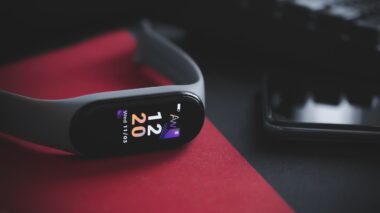
The role of technology is paramount in implementing genetic data into adaptive fitness planning. The explosion of wearable fitness devices has made it easier than ever to monitor and track individual health markers. Integrating genetic information with real-time exercise data presents exciting opportunities for adaptive fitness programs. For instance, applications that analyze a user’s performance can assess their growth and suggest modifications based on genetic predispositions. Such technological advancements can inform modifications to training intensity, duration, or type, ensuring they align with individuals’ unique genetic profiles. This synergy between genetics and tech helps professionals design workouts that adapt in real-time to client feedback. Furthermore, this data-driven approach not only benefits clients directly but can also enhance community engagement through social features. When individuals see that their genetic backgrounds can enhance their fitness experience, it can motivate more participants to engage in adaptive programs. Meanwhile, tech-based platforms facilitate tracking long-term progress, allowing for adjustments and ongoing support. As technology continues to integrate visually appealing interfaces with sophisticated data analysis, more adaptive fitness professionals can embrace its tools to create impactful programs tailored to individual clients.
Looking Ahead: The Future of Adaptive Fitness
The future of adaptive fitness is bright when harnessing the power of genetic insights. As awareness grows and research unveils the complexities of our genetic makeup, we anticipate more personalized approaches will become standard practice. Future adaptive fitness strategies will be increasingly data-driven, incorporating insights from genetic profiles alongside behavioral data. These personalized strategies will allow clients to maximize potential while addressing unique challenges inherent to conditions or disabilities. Moreover, as genetic testing becomes more accessible, people with disabilities can benefit from empowering knowledge about their bodies. This approach not only enhances their understanding of personal strengths and vulnerabilities but also increases motivation for active participation in fitness regimes. Looking ahead, we envision fitness communities nurturing inclusivity and diversity through personalized programs, celebrating the unique aspects of each individual’s genetic background. The notion of fitness will evolve from a one-size-fits-all model to one focused on individuality and tailored responses. Overall, integrating genetic insights redefines adaptive fitness, fostering healthier, more effective routines while promoting a lifelong commitment to physical activity among those with disabilities. Innovators in this space are bound to pave the way for transformative breakthroughs in adaptive fitness.
As adaptive fitness integrates these groundbreaking strategies, we can expect better engagement from clients and more significant satisfaction with fitness outcomes. The journey towards specialized fitness planning comes with learning opportunities for professionals of all fields. Education for both fitness trainers and clients should emphasize genetics’ role in health and fitness. As this knowledge becomes widespread, it will create a more informed public, enabling consumers to make educated choices about their workout regimes. Additionally, fitness professionals will also benefit from ongoing training in genetic sciences to provide optimal support and guidance. By encouraging professionals to continue learning, we can ensure the adaptive fitness community remains at the forefront of this evolving field. Enhanced situational awareness will encourage more responsive adaptations in programming. This, in turn, will allow clients to reap the most benefits from their fitness journeys while cultivating a supportive community. As advancements in genetics continue, we expect to witness significant innovations in adaptive fitness planning. The integration of genetics symbolizes a bright future for individuals living with disabilities, opening doors to increased participation and enhanced quality of life through improved fitness outcomes and personalized exercise experiences tailored uniquely to their needs.