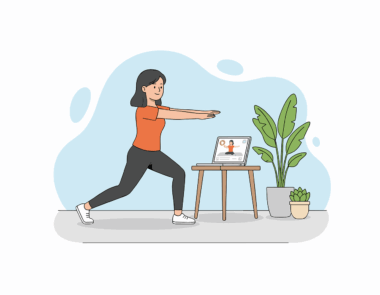

Identifying and Challenging Negative Beliefs About Your Fitness Ability
In today’s fitness journey, many individuals grapple with negative self-talk that hinders their progress. Recognizing this internal dialogue is the first step towards overcoming it. Often, these thoughts can stem from past experiences, societal pressures, or unrealistic comparisons. When we say things to ourselves like, “I will never be fit like others” or “I can’t do this workout,” we sabotage our motivation and growth. Developing an awareness of such limiting beliefs is crucial. Begin by noting down these thoughts; journaling can be a powerful tool here. Challenge each belief. Ask yourself, is this thought factual? More importantly, how does it make me feel? Positive reflections can significantly shift your mindset. Surround yourself with supportive communities or fitness professionals who affirm your goals and capabilities. Remember to celebrate small victories; acknowledge progress in your fitness journey. Consistent exercise not only benefits the body but also builds mental resilience. Change the narrative you tell yourself about your fitness abilities. Start with positivity and challenge those negative beliefs to unlock your full potential. You deserve every bit of success along your fitness path.
As you confront negative self-talk, it helps to replace these damaging beliefs with affirming statements. Utilize positive affirmations during workouts or in your daily routine. Instead of saying, “I can’t complete this workout,” articulate, “I am strong enough to finish this!” The power of words can shift your mindset drastically. Speak to yourself as you would to a friend. Be encouraging and supportive instead of critical. Engaging in visualization can also enhance your motivation. Picture yourself achieving your fitness goals. This mental imagery can create a strong desire to fulfill these aspirations. Find a partner or a group to work out with. Sharing your struggles can alleviate feelings of isolation. Moreover, it fosters accountability and inspiration. When surrounded by supportive individuals, it’s easier to replace negativity with encouragement. Seek out resources such as books or podcasts that focus on mindset transformation in fitness. They can offer tips and tricks to reinforce a positive self-image. Remember, fitness is a lifelong journey; it’s not merely about physical appearance but also about mental strength. Your mindset is as crucial as your actions on this path.
Building Self-Compassion in Your Fitness Journey
Another critical element in overcoming negative self-talk is practicing self-compassion. Many people are quick to criticize themselves for lapses or setbacks. Replace this cycle of criticism with understanding. Instead of berating yourself for missing a workout, remind yourself that it’s okay and part of the process. Life can be unpredictable, and self-kindness facilitates a healthier relationship with exercise. Treat your body with respect and acknowledge that it deserves care, not punishment. When encountering difficult emotional days, listen to how your body feels rather than forcing an unrealistic expectation. Embrace rest days as vital components of a successful routine. Reflect on each workout experience and extract lessons rather than focusing solely on outcomes. Be grateful for your body’s capabilities. Celebrating what’s working well can lead to more positive feedback loops. Consistently practice mindfulness through meditation or yoga to reinforce positive self-talk. Developing a practice encourages you to become more aware of your negative thoughts, allowing you to respond lovingly to yourself instead. Remember, fitness is both a physical and emotional investment, so prioritize mental well-being along with your physical achievements.
In addition to self-compassion, seeking feedback from fitness coaches or trusted friends can aid in dismantling harmful beliefs. When others validate your achievements, it can stabilize your intrinsic motivations. Have conversations about your struggles. Often, sharing these experiences is cathartic and helps realize that others share similar feelings. Engage with various platforms, whether social media or local fitness groups that promote body positivity and self-acceptance. Surrounding yourself with uplifting messages can act as a counterbalance against negativity. Establish specific and achievable goals. Break large objectives into bite-sized, manageable tasks. Celebrate reaching each small milestone instead of fixating solely on the larger goal. Providing yourself recognition for these achievements reinforces your self-belief and combats negative thinking. If you find social media triggering, consider curating an online environment conducive to positivity. Follow inspiring accounts that align with your fitness goals and focus on uplifting narratives. Shift your perspective by appreciating every step of progress, however small it may seem. Allow yourself to be inspired by the journeys of others without comparing yourself competitively.
Embracing Imperfection in Your Fitness Journey
Accept that perfection is an unrealistic standard in fitness. Everyone progresses at different rates based on various factors, including prior experiences, genetics, and lifestyle variations. Acknowledge that fluctuating motivation levels and setbacks are part of everyone’s fitness journey. You are not alone in encountering challenges; what matters is how you respond to them. Embrace each twist and turn as opportunities for growth rather than indications of failure. Adopting a flexible approach can cultivate resilience. Consider a new workout plan or food regimen instead of solely criticizing your previous endeavors. This adaptability reflects your commitment to continuous development. Furthermore, try to learn from shortcomings rather than view them as failures. Each experience is a stepping stone. Focus on your progress over perfection. By documenting both small wins and lessons learned, you nurture a healthier mindset. This practice serves as a reminder of how far you’ve come, making it easier to push through negative thoughts. Look in the mirror and appreciate every effort you’ve invested in your fitness journey. Self-acceptance is paramount for personal growth; it creates a supportive environment for you to flourish.
Consider the influence of your environment on your fitness journey. Surrounding yourself with positive influences can significantly impact your motivation and self-beliefs. Seek gyms, classes, or communities that promote inclusivity and acceptance where everyone feels valued. A supportive atmosphere can aid in silencing negative thoughts and foster a sense of belonging. Often, just witnessing others work towards their goals reminds us that we all struggle. Look for mentors who embody the beliefs you wish to cultivate within yourself. Learn from their experiences and transformative mindsets. Building connections can reveal helpful insights for managing negative self-talk. If you feel the pressure of unrealistic portrayals of fitness, take a step back; remember that everyone has unique journeys with ups and downs. Regularly indulge in constructive conversations focusing on positivity and growth. Having such dialogues can reinforce your mindset and help reshape how you perceive yourself in your fitness ability. Moreover, creating accountability partnerships with friends can bolster your efforts. They can serve as cheerleaders during tough days, reminding you of your strength and potential.
Setting Realistic Expectations in Fitness
One crucial aspect of addressing negative beliefs involves setting realistic expectations. Often, negative self-talk stems from comparing ourselves to unrealistic fitness standards presented in media. Instead of aspiring to unattainable ideals, focus on your individual goals. Define what success looks like for you personally, whether it’s lifting a certain weight, attaining a specific body composition, or simply feeling energized. Commit to being the best version of yourself, rather than emulating others. Emphasizing personal progress over comparisons is vital. Keep a fitness journal to track your milestones, no matter how small. Regularly review your achievements to provide evidence of your growth, which can counteract negative self-perception. Set both short-term and long-term goals to create a roadmap tailored to your aspirations. Celebrate every touchdown on this path. By doing so, you reinforce positive beliefs about your ability to improve your fitness journey. Break down significant objectives into manageable tasks, allowing you to focus on consistency rather than overwhelming yourself. Cultivating a culture of celebrating effort over sheer results can amplify your enjoyment of the process, ultimately leading to lasting success.
Lastly, always remember that mental wellness is an integral component of physical fitness. Prioritize your mental health just as you would your physical training. Practice mindfulness techniques, meditation, or breathing exercises regularly. These practices cultivate self-awareness, shielding you from the harmful tendencies of negative self-talk. Addressing frustration or feelings of inadequacy with kindness can dramatically transform your experience and mindset. Engage in regular affirmation exercises, repeating positive phrases that resonate with you. Such habits can help build resilience against the lure of negativity. Journaling thoughts and feelings can also provide an excellent outlet for releasing pent-up frustrations, allowing for clearer reflections. Additionally, consider speaking with a professional therapist, especially if negative self-beliefs persist. Structured support can equip you with strategies for managing unhealthy thought patterns. Engage in activities that bring joy and fulfillment beyond fitness. Finding joy helps cultivate a well-rounded, positive identity that contributes to your fitness journey. The goal is to create a balanced life that fosters both physical well-being and emotional strength. Nurture this harmony, and you will find that you start to notice shifts in your mindset towards your fitness journey.