
Postpartum Pilates: Group Classes to Rebuild Core Strength
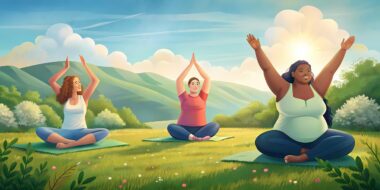
Postpartum fitness is essential for new mothers seeking to rebuild their strength, especially in the core region. After childbirth, many women experience significant changes in their bodies and fitness levels. Participating in a group Pilates class designed specifically for postpartum recovery can be tremendously beneficial. These classes create a supportive atmosphere, bringing together new mothers who share similar experiences and challenges. This camaraderie fosters encouragement and motivation, enabling participants to push through physical barriers. Furthermore, Pilates emphasizes deep abdominal strength, stability, and flexibility, ideal for rebuilding core muscles damaged during pregnancy and childbirth. Strengthening these muscles also assists in improving posture, which suffers during pregnancy due to the body’s shifting center of gravity. Additionally, specialized group classes often incorporate breathing techniques, which can be helpful for relaxation and stress relief. Finding a community that understands the postpartum journey can be empowering and invigorating for each mother. As mothers rediscover their strength, they also regain their confidence, which is crucial during such a transformative experience. Such classes ultimately contribute to overall wellness and allow women to focus on their health while bonding with their babies.
Importance of Core Strength
A strong core is fundamental for overall health and functionality, especially after pregnancy. It supports not only physical strength but also stability and posture during daily activities. In postpartum Pilates classes, core strengthening exercises are performed to help re-establish the connection between mind and body. Enhanced core strength alleviates strain on the back and pelvic region, which can often be vulnerable post-birth. The exercises focus on both the large muscle groups and the smaller stabilizing muscles. Intentionally engaging these muscles during training helps restore balance, which is particularly important for managing tasks related to motherhood, such as carrying and lifting the baby. Moreover, improved core strength contributes to greater overall fitness levels and can even ease some discomfort. Participants often report increased functional strength as they navigate their new routines with greater ease. Focusing on the core also helps in the rehabilitation of pelvic floor muscles, which may have been affected during childbirth. Gradually building strength in this area allows mothers to engage in a wider array of physical activities, fostering healthy habits that empower them in their parenting journey.
Participating in group Pilates provides numerous advantages beyond physical gains. Classes offer social interaction that can ease feelings of isolation many new mothers experience. This sense of community is invaluable, providing emotional support while navigating the complexities of motherhood. New friendships blossom as mothers share stories, tips, and challenges during their pregnancy and postpartum journeys. This shared experience strengthens bonds and cultivates trust among attendees. Furthermore, group classes led by experienced instructors ensure that women receive proper guidance. Instructors can offer modifications for each exercise, ensuring that each participant works within her capability level while feeling challenged. By creating an encouraging environment, mothers can engage more effectively in their practice. The group dynamic also promotes accountability; mothers are more likely to commit to regular sessions and stay motivated when surrounded by others with shared goals. Postpartum Pilates classes can often evolve into a source of personal empowerment, allowing mothers to reclaim their fitness and self-esteem. The social support and encouragement experienced in these classes contribute to mental well-being, which is crucial during the postpartum phase.
Choosing the right postpartum Pilates class is vital to ensure an optimal experience. Aspiring participants should look for classes that specifically state they cater to postpartum women. The right class will prioritize safety measures and offer a supportive atmosphere for mothers. Therefore, seeking out instructors with specialized training in postpartum fitness is crucial in minimizing the risk of injury during exercises. Additionally, it is important to acknowledge that every woman’s postpartum journey is distinct. Some might have undergone a C-section, while others experienced vaginal births, and these factors influence individual recovery timelines and exercise capabilities. Before beginning any class, consultation with a healthcare professional is highly recommended. This ensures it’s safe for mothers to start exercising and allows them to clarify any concerns regarding their unique situation. Word-of-mouth recommendations can be extremely helpful given their inherent personal insights. Online platforms exist where mothers can share their experiences and preferences, streamlining the class selection process. Finding a class that aligns with personal goals and provides the needed support for recovery can make a significant difference in each mother’s postnatal healing journey.
What to Expect in Class
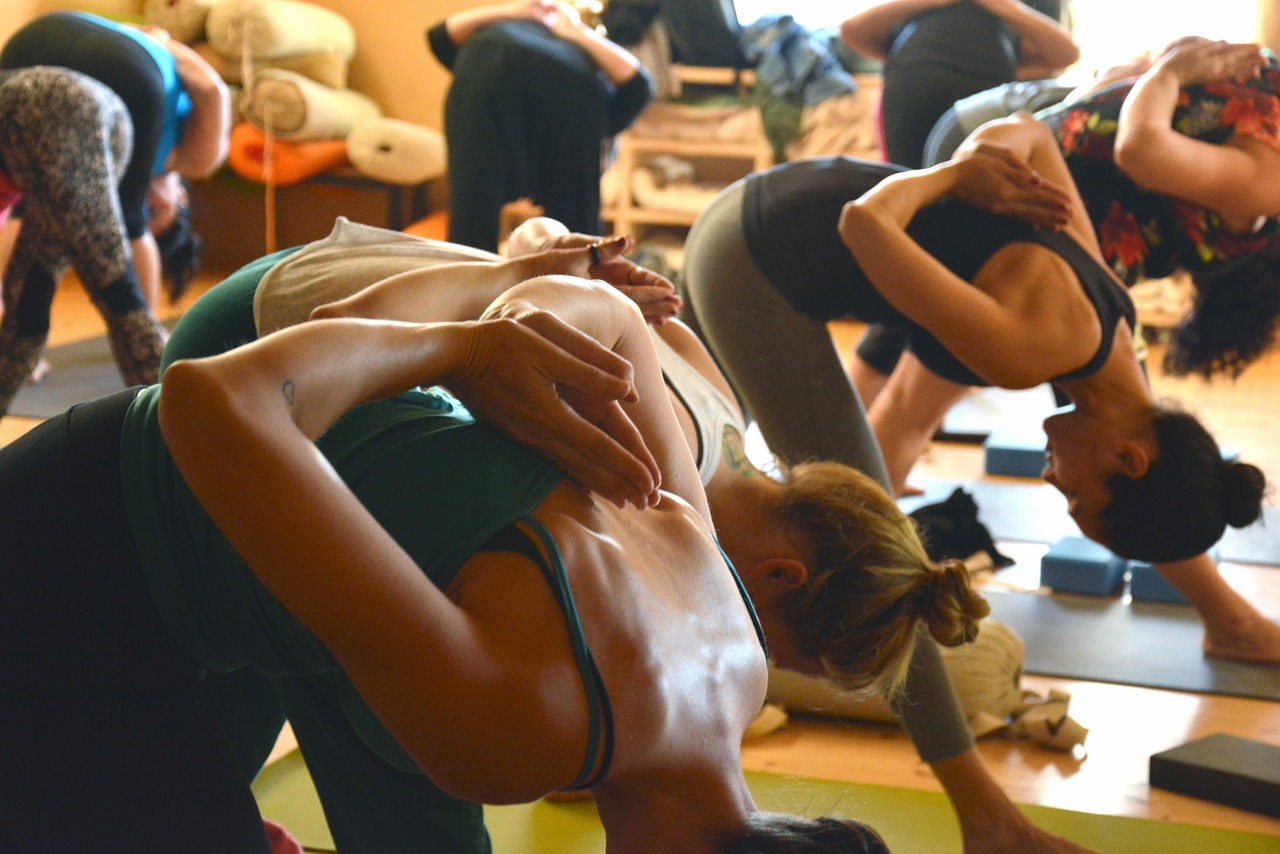
In postpartum Pilates classes, participants can expect a combination of stretching, strengthening, and restorative exercises designed specifically for their needs. These classes typically focus on stabilizing the pelvis and rebuilding core strength, gradually progressing from gentle movements to more intense workouts as strength returns. This incremental approach helps prevent injury while ensuring mothers can safely engage in physical activity that respects their postpartum bodies. Participants will learn to connect their breath with movements, which further enhances awareness and facilitates relaxation. Many classes incorporate props such as small balls, resistance bands, or weights to diversify the exercises and increase muscle engagement. Each session often begins with a warm-up followed by targeted exercises focusing on areas most affected during pregnancy. Classes usually conclude with a stretching routine aimed at relieving tension and promoting relaxation. This multifaceted approach ensures that newly delivered mothers can experience physical rejuvenation while also seeking mental clarity. As the classes progress, mothers may notice positive physical changes, including increased energy levels, improved posture, and enhanced flexibility, all crucial benefits when adjusting to new routines.
Hydration and nutrition are vital components of postpartum training and recovery. As mothers engage in Pilates, they should ensure they remain hydrated to support their bodies effectively. Proper hydration enhances energy levels and promotes better recovery after each session. Furthermore, maintaining a balanced diet rich in essential nutrients supports overall wellness. Including high-quality protein sources, healthy fats, and an array of fruits and vegetables can be beneficial choices. For nursing mothers, nutritional needs may increase, making sustenance even more crucial. Collaborating with specialists like nutritionists can provide tailored dietary recommendations that complement fitness routines. It’s also helpful for mothers to prioritize meal prepping to alleviate the pressure of cooking healthy meals on busy days. Joining online or local communities focused on postpartum nutrition offers further support, providing new ideas and recipes. Gradually integrating wholesome eating habits can bolster physical health and stability, enhancing the overall experience in Pilates classes. Therefore, mothers must consider not only their exercise programs but the nutritional aspects of their postpartum recovery as well.
Finally, the benefits of postpartum Pilates extend beyond physical recovery. Engaging in mindful movements can significantly improve mental health and emotional well-being. Many mothers find that group fitness classes offer a therapeutic outlet, allowing them to process their experiences and emotions during the transition into motherhood. The combination of physical activity and community support fosters a sense of empowerment and resilience. Regular participation may help alleviate symptoms of postpartum depression and anxiety, which often accompany the challenges of new motherhood. Mothers embarking on this fitness journey frequently discover newfound strengths within themselves, both physically and emotionally. These transformations can instill a lasting sense of confidence as they navigate their roles. Thus, the impact of postpartum Pilates can ripple outwards, encouraging balanced and fulfilling family dynamics. As mothers take time to care for themselves, they set an example for their children about the importance of self-care. Creating a routine that emphasizes both physical and mental health can be transformative, nurturing a holistic approach to motherhood. Joining a group Pilates class provides not just a fitness solution but a supportive network that positively influences life postpartum.
Overall, the essence of postpartum Pilates lies in its ability to create a nurturing and empowering environment. Group classes not only rebuild core strength but also foster lasting connections among mothers. The importance of social support during this transformative phase cannot be overstated. As mothers gain strength, flexibility, and resilience, they also cultivate friendships that enhance their overall experience. This collective journey nurtures community, vastly improving mental and emotional health. The rewarding experience of working through challenges together can render lasting memories and friendships. Additionally, many programs offer workshops that delve into topics like nutrition, self-care, and parenting. These supplementary activities enrich the postpartum experience, allowing mothers to grow comprehensively. New mothers are encouraged to explore diverse programs until they find the perfect fit for their needs. Now is the ideal time to embrace personalized wellness journeys, where dreams for fitness and motherhood intertwine. With every session, postpartum Pilates transforms lives, enabling mothers to reclaim their bodies and confidence. Stronger cores lead to empowered mothers, fostering resilience and better health for families. In conclusion, group classes provide an invaluable support system that positively influences the postpartum experience.