
Community Fitness Challenges Aimed at Reducing Chronic Disease Risks
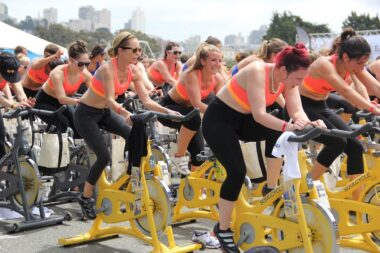
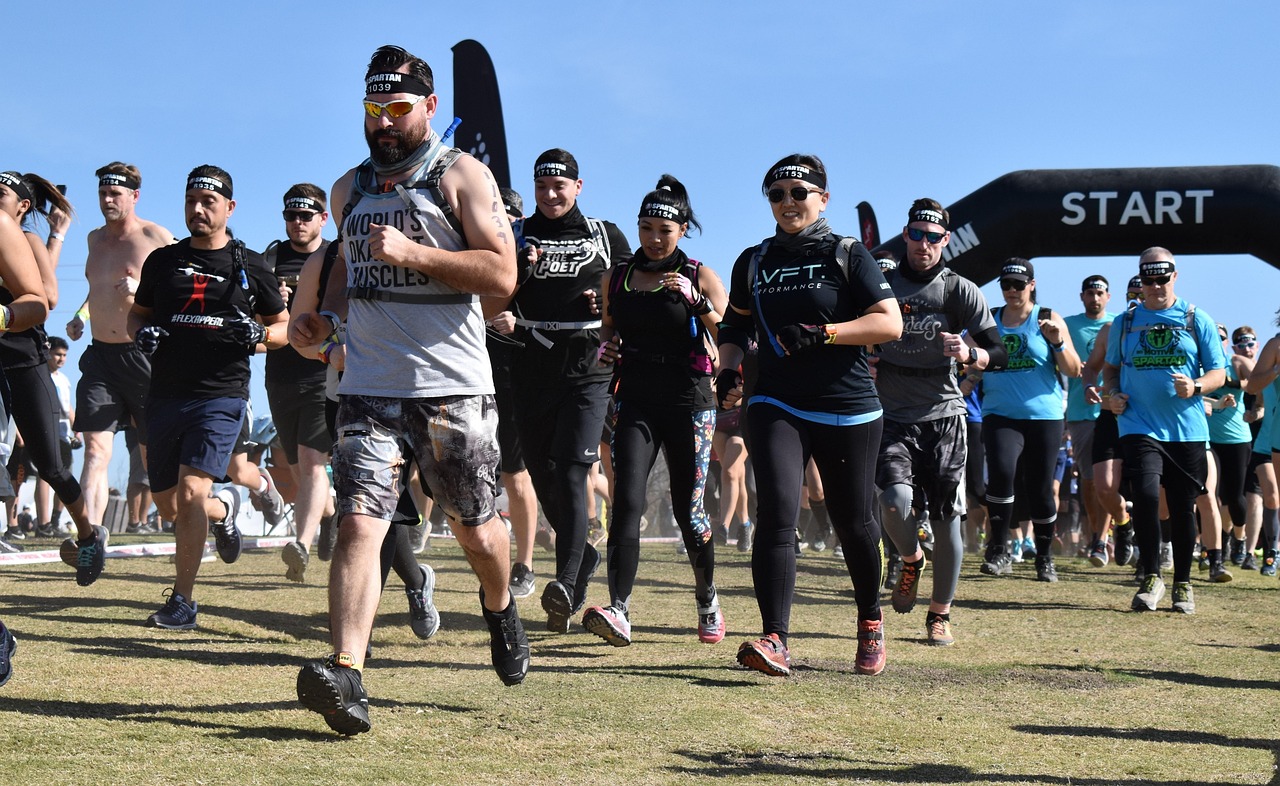
Chronic diseases such as diabetes or heart disease can significantly impact individuals and communities. Community fitness challenges play a crucial role in promoting healthy lifestyles and reducing these risks. Engaging more people in physical activities creates broader awareness about fitness and health. A fitness challenge can consist of various competitions ranging from walking and running to group sports or yoga sessions. These initiatives encourage camaraderie and support, fostering a sense of belonging among participants. Additionally, local organizations often collaborate with fitness experts to provide resources, ensuring participants have the knowledge to succeed. Many challenges also offer educational workshops on nutrition and health management. Local healthcare providers may join forces to share screening services, contributing to preventive healthcare efforts. Involving local businesses can incentivize participation by providing rewards, like discounts or free product samples. By joining forces, communities can effectively decrease the prevalence of chronic diseases while building lasting relationships. Ultimately, these fitness initiatives lead to stronger communities that prioritize health and wellness. Each small step taken in fitness challenges can have a monumental effect on reducing chronic disease risks at the community level.
Implementing community fitness challenges can take many forms, encouraging diverse participation. One popular approach is organizing a “step challenge” where participants aim for specific walking goals over time. Participants can use pedometers or smartphone apps to track their daily steps, fostering a sense of achievement. Another effective method includes team sports tournaments, allowing members to engage with neighbors and build camaraderie. Outdoor activities, such as hiking or cycling events, can also promote interest in healthy routines while showcasing local trails or parks. Additionally, fitness classes in local community centers can introduce individuals to new forms of exercise. Activities may range from dance fitness to martial arts, offering something for everyone. Social media can also play a significant role in attracting participants. Creating groups online allows individuals to share achievements and challenges, making fitness more engaging. Community challenges often encourage families to participate together, fostering a healthy lifestyle from an early age. Having a supportive environment can significantly enhance motivation and success rates. Establishing fitness challenges can lead to lasting behavioral changes that impact health positively, creating a ripple effect that encourages others to join in.
Incentives and Motivations for Participants
Incentives are crucial when organizing fitness challenges, as they motivate participants to engage. Research has shown that when individuals have tangible rewards, they tend to push themselves harder. Incentives can be as simple as recognition certificates or medals, providing public acknowledgment of their efforts. Local businesses can also contribute by sponsoring prizes like discounts, gym memberships, or fitness apparel. This partnership not only boosts morale but strengthens community ties. Additionally, creating a leaderboard for participants reinforces friendly competition, encouraging participants to improve their performance continually. Social recognition through social media posts and community announcements further elevates participants’ spirits. Moreover, offering educational opportunities and fitness workshops as part of the challenge enhances participants’ knowledge about leading a healthier lifestyle. These aspects can help individuals realize their potential, thereby enhancing their motivation. Bringing a sense of purpose, such as raising funds for a local charity, can also increase engagement levels. Participants are often more willing to push themselves when their physical efforts contribute to a greater good, making the challenge more fulfilling for everyone involved.
Feedback and follow-up from community fitness challenges can provide essential insights for future events. Participants often appreciate receiving follow-up surveys soliciting their opinions regarding the challenge structure and overall experience. Their feedback helps organizers understand what worked well and where improvements are necessary. Additionally, sharing testimonials of participant experiences can boost interest in future fitness events. For instance, showcasing success stories, including weight loss journeys or health improvements, can inspire others to take part. Organizers should also highlight the collective achievements of the community, emphasizing the benefits realized by everyone involved. Furthermore, discussing the long-term outcomes of past challenges sets a precedent for success, showcasing potential continued engagement amongst participants. Collaboration among community leaders, healthcare providers, and local businesses can result in ongoing fitness opportunities beyond the initial challenge. Creating a calendar of such events encourages continuous participation in fitness-related activities while compounding health benefits. Importantly, keeping participants informed about local health resources strengthens community health initiatives further. By fostering feedback loops and consistent engagement with participants, communities can successfully implement sustainable fitness support networks.
Success Stories: Real Impact on Community Health
Successful community fitness challenges often yield tangible results regarding chronic disease risk reduction, creating real-life success stories. Participants frequently report weight loss, reduced medical risks, and enhanced mental health following community fitness events. For example, a local initiative that encouraged monthly walking marathons helped 20% of participants lower their cholesterol levels significantly. Testimonials reveal stories of motivation and support among participants, emphasizing the friendships formed during the challenges. Success stories can inspire curiosity and encourage more individuals to join similar endeavors, ultimately expanding the reach of future initiatives. Additionally, platforms that share inspiring health transformations can bolster community morale, showcasing the benefits of collective health improvement actions. Moreover, local healthcare providers may find valuable data through these initiatives, enabling them to understand the positive effects of community programs on public health. Gathering data on participant health outcomes is crucial for evaluating initiatives’ effectiveness. By highlighting strong community ties formed during these challenges, local leaders can propel further health initiatives, allowing other communities to replicate successful methods. Furthermore, promoting successful health outcomes may motivate local policymakers to invest in sustained community health programs focused on fitness.
Incorporating various community inputs can strengthen the execution of fitness challenges aimed at chronic disease reduction. Collaborating with local experts, such as nutritionists and fitness trainers, enriches the overall program structure. These individuals can offer tailored guidance or resources during the challenges, enabling participants to make informed choices. Involving schools, local governments, and health organizations can create a more inclusive and comprehensive approach to designing fitness initiatives. Additionally, having diverse community representations ensures different perspectives are accounted for, promoting a wider acceptance within the community. Gathering information about community preferences is vital when planning activities aligned with interests. Hosting focus groups or surveys to solicit feedback encourages individuals to voice their preferences regarding potential activities. This involvement can enhance ownership over community fitness events, contributing to heightened participation levels. It’s also beneficial to integrate culturally relevant activities to make initiatives more appealing to diverse populations. Highlighting community diversity through fitness challenges ensures feeling included and valued. As a result, establishing strong partnerships across various sectors can lead to impactful initiatives, fostering a healthier community overall and reducing chronic disease risks effectively.
Looking Ahead: Sustaining Community Fitness Initiatives
Sustaining community fitness initiatives is essential to ensure long-lasting impacts on chronic disease prevention. Establishing a consistent fitness calendar encourages year-round engagement encouraging collective accountability. Seasonal fitness challenges can maintain momentum, while regular social events can keep participants connected. Local governments and organizations should emphasize the importance of health promotion through funding and resources to support ongoing initiatives. Creating community coalitions that prioritize health can enhance partnership opportunities for sustainability. Furthermore, incorporating fitness into existing community programs, such as schools or recreational centers, can normalize an active lifestyle within the community. Continuous promotion of health awareness, including educational workshops and health fairs, strengthens participants’ commitment to their fitness journeys. Ensuring initiatives adapt and evolve based on participants’ needs will keep interest levels high, enabling the program’s relevance. Encouraging local leaders to champion fitness initiatives prevents complacency and fosters accountability within the community. Ultimately, a focus on establishing long-term connections will contribute to healthier lifestyles and reduce chronic disease risks effectively. By prioritizing community health as a continuous endeavor, we can create a culture of wellness that promotes long-term success and lasting change.
The role of community partnerships in enhancing fitness challenge success cannot be overstated. Collaborative efforts increase resources, knowledge, and outreach opportunities, amplifying overall impact. Local schools, non-profits, and healthcare entities can all contribute valuable insights while engaging diverse participants. Active participation from local businesses can also offer logistical support, from funding to in-kind donations, ensuring events run smoothly. For example, local gyms may provide trainers or fitness equipment for challenges, enhancing accessibility for participants. Using shared marketing strategies can extend event reach, increasing participation significantly. Event organizers can also leverage social media platforms to spread awareness quickly and efficiently. Partnering with community leaders can help relay motivations for participation, emphasizing the importance of collective health improvement goals. Regular community planning meetings encourage ongoing engagement, facilitating collaboration among various stakeholders. By addressing potential roadblocks together, communities can overcome challenges and sustain engagement in fitness initiatives. Continuous evaluation based on feedback functions as a guiding framework, allowing corrections and adaptations along the way. Ultimately, engaging and fostering robust community partnerships will significantly amplify the effectiveness of fitness challenges aimed at reducing chronic disease risks.