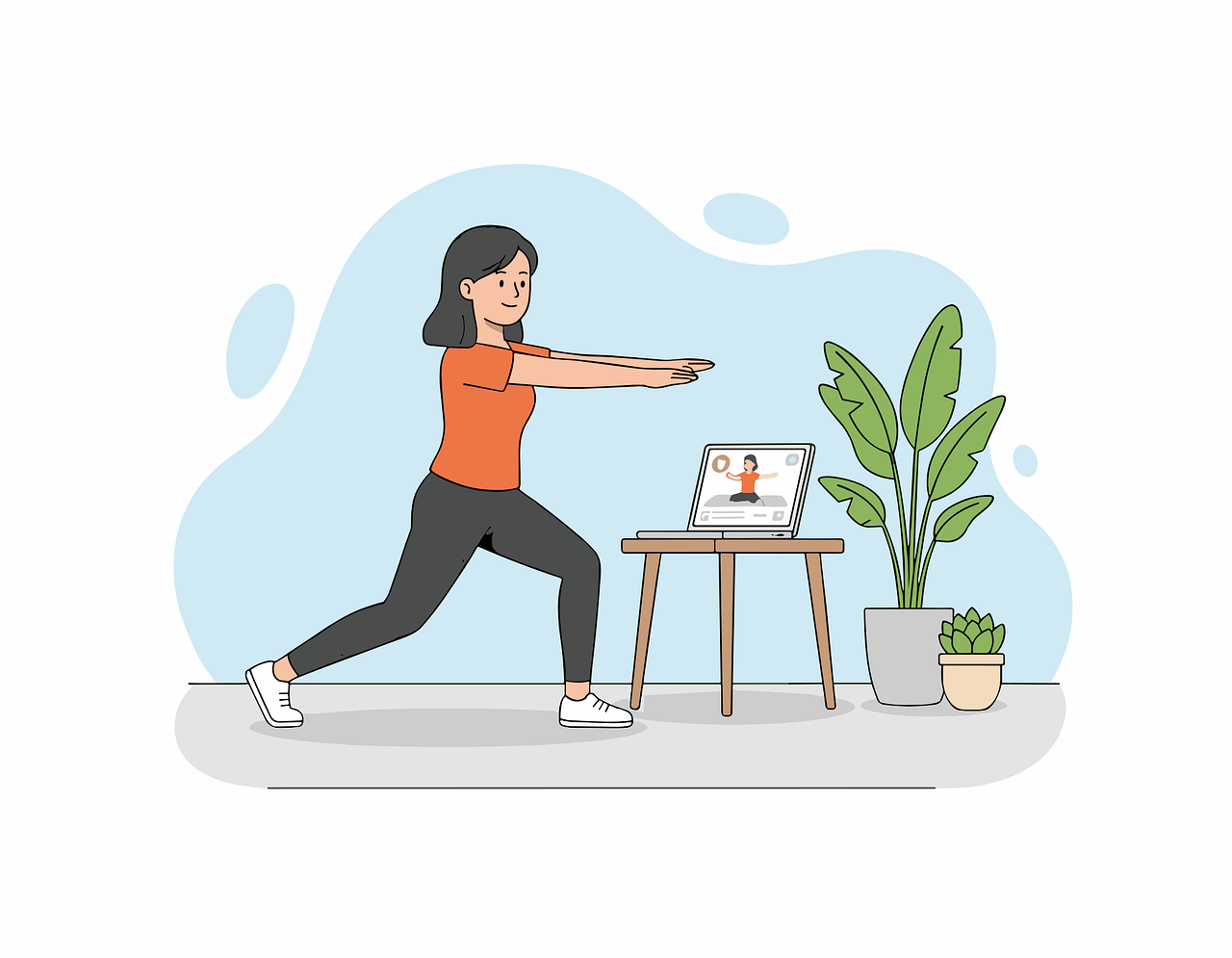

Adaptive Fitness Challenges and Goal-Setting from Home
Engaging in adaptive fitness from the comfort of home presents various challenges. Individuals with disabilities often face physical limitations, but with the right mindset and goals, these challenges can be overcome. Adaptive fitness integrates exercises tailored to unique abilities, fostering a sense of achievement. A crucial first step is assessing one’s current physical condition and identifying specific fitness goals. Personal objectives could range from improving strength, increasing flexibility, or enhancing overall wellness. Online resources offer valuable guidance, including adaptive workout videos and virtual classes. Support groups can also provide motivation and accountability in a home setting. Setting realistic and measurable goals is essential; using SMART criteria (Specific, Measurable, Achievable, Relevant, Time-bound) ensures a structured approach. Participants should regularly re-evaluate their progress, celebrating small victories to stay motivated. Additionally, tracking workouts and physical improvements can serve as a powerful motivator. Ultimately, home-based adaptive fitness fosters independence and encourages individuals to thrive against the backdrop of their unique circumstances. Building a personalized workout plan that adapts to individual abilities is vital in achieving lasting fitness success.
To enhance your adaptive fitness journey, it’s vital to create an engaging and motivating environment at home. Start by selecting a dedicated space that resonates positivity and energy. This area should be free from distractions to help maintain focus during workouts. Additionally, incorporating elements that inspire you can greatly improve your mood and dedication. For example, utilizing inspirational quotes, images of personal role models, or visual reminders of fitness goals can significantly elevate motivation levels. Moreover, consider utilizing fitness technology like smartwatches or fitness apps. These tools provide valuable feedback on workouts while tracking progress towards fitness goals. Social engagement can also play a crucial role; connecting with online communities or fitness groups can foster a sense of belonging. Sharing progress through social media platforms or group chats can boost accountability. Participating in virtual fitness challenges encourages engagement and promotes healthy competition among peers. Remember to maintain a balance between physical activities and rest; recovery is essential for preventing burnout. Healthy nutrition further enriches fitness journeys and boosts overall well-being. Building a sustainable and enjoyable fitness routine enables consistency, leading to long-term benefits.
Creating Effective Workout Routines
When developing an adaptive fitness routine at home, inclusivity and versatility are key components. Begin by selecting exercises that accommodate various levels of ability and fitness. Balance strength training with cardiovascular activities to achieve a comprehensive workout. Exercises such as seated resistance training, chair yoga, or low-impact aerobics can provide effective workouts. Integrating modifications into routines ensures safety while maximizing effectiveness, catering to individuals with different needs. Taking breaks and allowing for rest days encourages recovery and prevents injury, significantly improving the overall experience. Within this workout structure, it’s critical to ignite excitement and interest; rotating exercises can help maintain motivation and engagement. Remember, personalized adaptive fitness routines should evolve, accommodating shifts in abilities, goals, and preferences. Embrace creativity by trying diverse equipment like resistance bands, stability balls, or even household items; each can offer unique advantages. Schedule specific workout times to establish consistency in your routine; this disciplining approach fosters habit formation. Moreover, listening to your body is integral; adjust intensity based on how you feel. Celebrating milestones achieved along the way is essential for sustaining motivation throughout your adaptive fitness journey.
Nutrition plays a pivotal role in supporting a successful home-based adaptive fitness program. To enhance workout performance and overall health, individuals must prioritize balanced dietary choices. Focus on incorporating a variety of food groups, including lean proteins, whole grains, fruits, and vegetables to fuel your body. Ensuring adequate hydration is also essential; staying well-hydrated before, during, and after workouts can optimize performance. Planning meals and snacks in advance helps individuals remain organized and make healthier choices. Additionally, consult with healthcare professionals or nutritionists specializing in adaptive nutrition to tailor approaches to personal needs. Nutrient timing is another aspect to consider; consuming nutrients strategically can promote recovery and enhance workout outcomes. Supplements may also provide added benefits, but always consult a healthcare professional before introducing them. Maintaining an open mind towards various dietary options and being flexible can support ongoing adaptation to personal dietary needs. Social dining experiences or meal-prepping with friends can also make nutritious eating more enjoyable and sustainable. Overall, establishing healthy eating habits supports enhanced performance in adaptive fitness programs while promoting a balanced lifestyle at home.
Overcoming Mental Barriers
Even though physical challenges in adaptive fitness are significant, mental barriers can be just as critical. Individuals may find themselves grappling with self-doubt or lack of confidence in their capabilities. To combat these feelings, developing a positive mindset through affirmations is beneficial; reminding oneself of past successes can empower and encourage individuals to set reasonable and attainable fitness goals. Furthermore, visualization techniques can aid in fostering a growth mindset, imagining achievements and daily workout routines. Seeking support from peers, family, or therapists can also provide necessary encouragement when doubts arise. Building belief in one’s potential elevates motivation and resilience, permitting individuals to meet adaptive fitness obstacles head-on. Setting aside moments for mindfulness practices, such as meditation or quiet reflection, aids in promoting overall mental well-being. Breaking down larger goals into smaller, manageable tasks can significantly alleviate feelings of overwhelm, allowing individuals to focus on gradual progress while experiencing satisfaction from completing challenges. In challenging moments, having a solid support system can provide encouragement and transform setbacks into opportunities for growth, reinforcing the belief that adaptive fitness is attainable and rewarding.
Building a community around adaptive fitness creates a supportive network of individuals who share similar experiences and goals. Utilizing social media platforms, blogs, or forums can facilitate connections, motivating individuals to engage in each other’s journey actively. Some platforms provide space for sharing tips, success stories, and encouragement that can nurture a sense of belonging. Local organizations may also host virtual fitness classes tailored for individuals with disabilities, which fosters connections and camaraderie. Moreover, participating in adaptive fitness events can bring people together and inspire individuals to achieve personal goals. Virtual competitions or challenges allow for engagement without geographical barriers. Unity among adaptive fitness enthusiasts fosters a strong community spirit, amplifying motivation. Moreover, emphasizing shared journeys can reduce feelings of isolation; many struggle with similar physical and mental challenges. Nurturing friendships through shared workouts or challenges can enhance accountability while encouraging active participation in fitness. Attending workshops or seminars can provide further resources for improving skills and knowledge. Ultimately, a supportive community enhances the adaptive fitness experience, paving the path for collaboration and shared success.
As individuals embark on their adaptive fitness journey from home, celebrating successes no matter how small becomes vital. The path toward improved health and fitness is often filled with various ups and downs. Recognizing and appreciating small victories can significantly impact motivation and self-esteem. For instance, acknowledging completion of workouts, improvements in mobility, or reaching a milestone encourages individuals to strive for more. Keep in mind that healthy competition, whether against oneself or peers, can stimulate progress. Tracking daily or weekly achievements facilitates this celebration, producing a sense of accomplishment that fuels further commitment. Utilizing journaling or digital tools can help document these successes effectively. Sharing these achievements with friends, family, or through social media can cultivate a sense of pride and community support. Incorporating these celebrations within the fitness routine will anchor wellness to every experience, making it enjoyable and rewarding. Remember that setbacks are a natural part of growth. Equip yourself with coping strategies for potential obstacles, allowing room for a positive response. Embracing both challenges and successes offers a holistic approach to adaptive fitness, ultimately leading to progress and fulfillment in achieving personal health goals.
To enhance your adaptive fitness journey, it’s vital to create an engaging and motivating environment at home. Start by selecting a dedicated space that resonates positivity and energy. This area should be free from distractions to help maintain focus during workouts. Additionally, incorporating elements that inspire you can greatly improve your mood and dedication. For example, utilizing inspirational quotes, images of personal role models, or visual reminders of fitness goals can significantly elevate motivation levels. Moreover, consider utilizing fitness technology like smartwatches or fitness apps. These tools provide valuable feedback on workouts while tracking progress towards fitness goals. Social engagement can also play a crucial role; connecting with online communities or fitness groups can foster a sense of belonging. Sharing progress through social media platforms or group chats can boost accountability. Participating in virtual fitness challenges encourages engagement and promotes healthy competition among peers. Remember to maintain a balance between physical activities and rest; recovery is essential for preventing burnout. Healthy nutrition further enriches fitness journeys and boosts overall well-being. Building a sustainable and enjoyable fitness routine enables consistency, leading to long-term benefits.