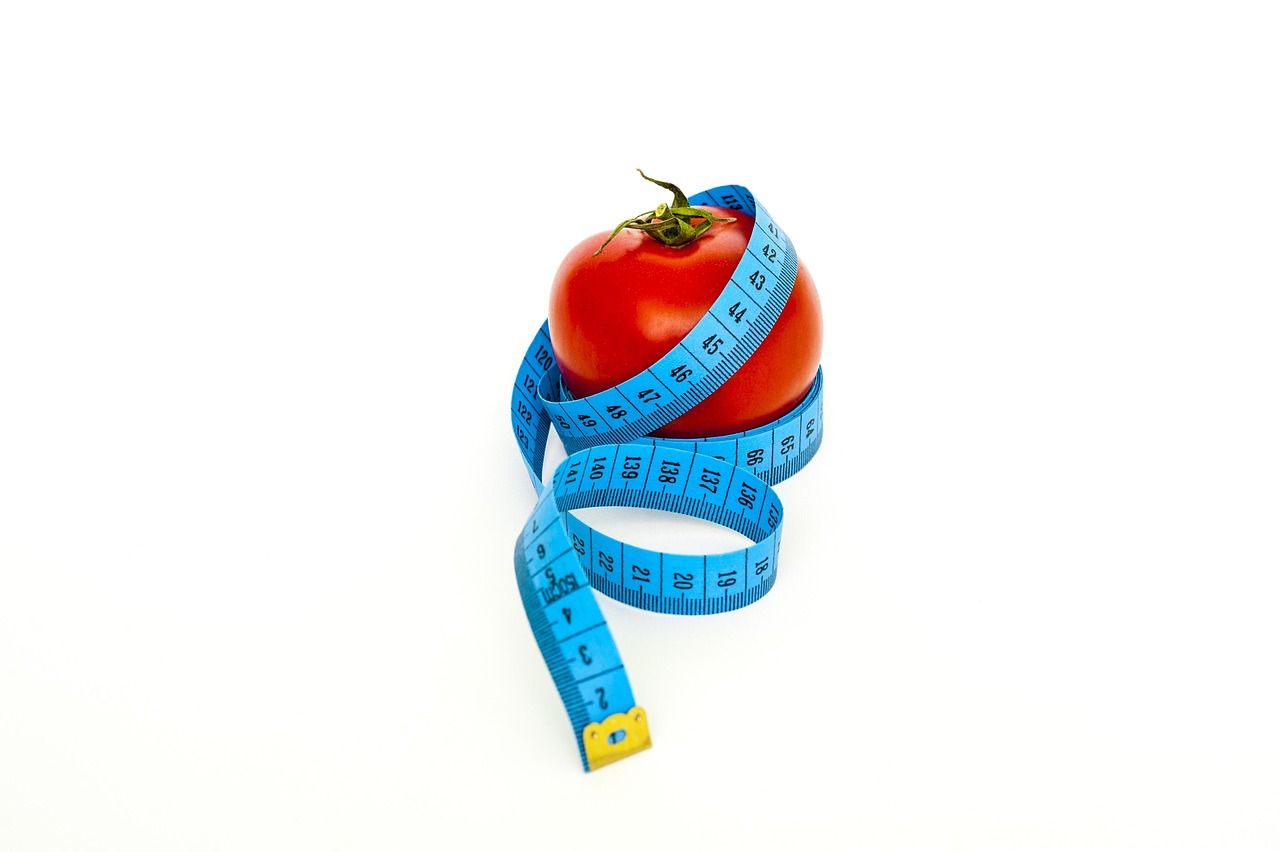

Measuring Portions: Tools and Tricks for Accurate Eating
When pursuing weight loss, portion control is a fundamental strategy that requires practice and consistency. One effective method is using measuring cups and spoons to serve food accurately. These tools help ensure that you adhere to recommended serving sizes, which can significantly affect your daily caloric intake. Gradually, you can train your eye to recognize appropriate portions without relying on these tools. Additionally, digital kitchen scales provide an incredibly precise way to gauge food weight, especially for those who prefer measuring ingredients in grams or ounces. A scale is invaluable for tracking progress and adjusting portion sizes as needed during your weight loss journey. Furthermore, portion control plates are designed with sections that indicate appropriate servings for different food groups. Using these specially designed plates can help simplify meal preparation and make portioning much more visual. Mindful eating is another instrumental technique in portion control. By slowing down during meals, focusing on your food, and savoring every bite, you can better gauge when you’re satiated. Engaging all the senses enhances your eating experience and helps prevent overeating.
Another fantastic method to aid portion control is the use of smaller plates and bowls. Research suggests that individuals tend to eat less when served on smaller dishware, as portions appear larger than they truly are. This psychological trick effectively influences eating behavior and can promote a healthier relationship with food. Furthermore, pre-preparing meals in advance can also support portion control. Meal prepping allows you to plan, measure, and pack meals systematically. This practice not only saves time but also makes it easier to choose healthier options rather than becoming overwhelmed by junk food choices. Additionally, using clear containers instead of opaque ones allows you to see the food inside, thus helping you gauge how much remains. It’s important to note that snacks can impact daily calorie intake significantly, so using portion-controlled snack bags can help curb overindulgence. Also, keep healthy snacks available and pre-portion them for convenience. For those who enjoy beverages, measuring out serving sizes for juices or alcoholic drinks can reduce caloric intake while still allowing for enjoyment. Portion control, when incorporated into daily routines, becomes a vital part of one’s diet management strategies.
Mindful Eating Practices
Mindful eating is an excellent practice that complements portion control techniques effectively. This approach encourages individuals to be present during meals, paying attention to the flavors, textures, and aromas of the food. By focusing solely on the eating experience, you can better tune into feelings of hunger and fullness. Taking the time to chew slowly not only enhances the enjoyment of your meal but also aids digestion. Make it a habit to put down your utensils between bites, allowing moments to savor the flavors while monitoring your body’s response. Another prudent strategy is to limit distractions during meals; this includes turning off the television or putting the phone down. When consuming food mindfully, you are more likely to notice when you start to feel satisfied, helping to avoid unintentional overeating. Practicing gratitude before meals can also enhance mindfulness, promoting a positive perspective on the nourishment you are receiving. Keeping a food journal to document portion sizes, feelings, and hunger levels can assist in creating better awareness around eating habits. Over time, this practice can help reinforce healthier eating patterns while assisting in the journey toward effective weight loss.
Implementing the concept of “plate method” can also effectively promote portion control. This technique advocates dividing your plate into distinct sections for various food types: half for vegetables, a quarter for lean protein, and a quarter for whole grains. This balanced approach helps ensure nutrient diversity while controlling overall portion sizes. When dining out, it can be beneficial to ask for half portions or to share a meal with a friend. Restaurant portions are typically larger than recommended serving sizes, leading to overeating and poor nutritional choices. By sharing meals, you can enjoy the dining experience without excessive caloric intake. It’s also wise to explore clearly defined serving sizes on packaging when purchasing groceries. Understanding what constitutes a single serving can guide your meal preparation and snacking decisions significantly. Additionally, hydration can play a crucial role in portion management. Drinking water before meals can help curb overeating by stabilizing hunger signals. In contrast, feeling thirsty can often be mistaken for hunger, leading to unnecessary snacking. Incorporating these strategies into your routine can empower you to stick to healthy eating habits while enjoying the process.
The Role of Visual Aids
Visual aids are wonderful tools for managing portion sizes effectively. Many resources provide visual comparisons to common household items to help you accurately gauge serving sizes. For instance, a fist is roughly the size of a cup, while a thumb’s width can represent a tablespoon. Utilizing these visual cues can simplify the process of estimating portions without reliance on measuring tools. Engaging in workshops or using apps focused on portion sizes can further reinforce your understanding of accurate measurements. These applications often include databases of traditional serving sizes that can be practical when dining out or experimenting with new recipes. Learning to create your visual aids by taking photos of ideal portions can offer a tangible reference point for future meals. Engaging the power of technology, various apps can support logging meals and tracking portion sizes, showcasing progress, and refining strategies to improve your weight loss journey. In addition, considering the role of color can enhance your meals visually while encouraging healthier choices. By incorporating a colorful variety of fruits and vegetables, meals become not only more appealing but also packed with necessary nutrients.
It can also be beneficial to involve friends and family in your portion control journey. Sharing your goals with loved ones promotes accountability and support, making the process more enjoyable. They can help create an environment where healthy portion sizes are the norm. When attending social gatherings, don’t hesitate to bring healthy dishes that align with your portion control goals. This ensures that you have options available that align with your wellness objectives. Sharing experiences with others can provide additional ideas and strategies for managing portions efficiently. For parents, teaching children about portion sizes from a young age instills healthy habits that can last a lifetime. Encouraging them to become involved in meal prepping or cooking can also foster awareness about portion sizes. Additionally, using educational resources, such as books or online articles that emphasize healthy eating habits, can further reinforce good habits through shared learning. The collective support of family and friends can truly enhance personal accountability, making the journey of weight loss much more rewarding and manageable.
The Importance of Consistency
Consistency in portion control ultimately leads to improved weight loss results and a healthier lifestyle. It helps ingrain habits that make healthy eating second nature over time. One effective practice is setting personal goals regarding portion sizes. Visualizing your goal meal plates and striving for balance every time you eat helps establish solid nutrition habits. Regular self-reflection can enhance accountability, too, as you assess your choices weekly and adapt accordingly based on what worked or didn’t. By journaling or using apps to track food intake, you can clearly identify patterns and develop further strategies to control portions effectively. Moreover, remember that fluctuations in body weight are normal, especially throughout life changes or holidays. Adapting to these fluctuations with flexible portion control will help you maintain overall wellness. Additionally, sharing victories—big or small—with friends or family can keep you motivated. Engage in dialogue surrounding portion management and celebrate progress collectively to reinforce healthy behavior. Lastly, remember that portion control is a journey, not a destination. Staying adaptable while developing these habits will create lasting results, supporting a healthier lifestyle and achieving your weight loss goals.