
The Role of Protein in Martial Arts Training and Recovery
In martial arts, protein is an essential nutrient that plays a crucial role in training and recovery. It is vital for muscle repair and growth, which is especially important for martial artists who engage in intense physical activity. Incorporating sufficient protein into one’s diet can enhance performance, allowing practitioners to train harder and recover faster. The amino acids found in protein serve as building blocks for muscles, promoting strength and endurance during rigorous workouts. Consuming an adequate amount of protein can help to prevent muscle loss, particularly during cutting phases or weight management. This ensures that athletes maintain optimal muscle mass while engaging in their training regimens. A common misconception is that only athletes lifting weights need additional protein, but martial artists require this nutrient for the same reasons. Not only does protein support muscle maintenance, but it also aids in repairing tissues damaged during training sessions. Including protein-rich foods in your diet can replenish energy levels, speed up recovery, and prepare the body for the next training session.
Sources of protein for martial artists vary widely, catering to both omnivorous and vegetarian diets. Animal protein sources, such as lean meats, poultry, fish, and eggs, offer complete protein profiles with all essential amino acids. For those who prefer plant-based options, legumes, tofu, tempeh, lentils, and quinoa provide excellent alternatives. Additionally, dairy products like Greek yogurt and cottage cheese are also rich in protein and can be easily incorporated into meals or snacks. Supplements, such as whey protein or plant-based protein powders, can offer convenient options for those struggling to meet their daily protein requirements through food alone. Protein timing is also essential; consuming protein-rich meals or snacks within 30 minutes to two hours post-training can significantly enhance recovery. It is important to spread protein intake throughout the day to maximize muscle protein synthesis. Athletes should aim to include a source of protein in every meal, along with carbohydrates and healthy fats, to ensure a balanced diet that supports their training needs effectively. This balance helps maintain energy levels and promotes overall health.
Protein Needs Based on Training Intensity
The protein needs of martial artists can vary based on their training intensity, duration, and individual goals. Generally, those participating in high-intensity training sessions should aim for higher protein intake to support muscle repair and growth. For martial artists, a general guideline is to consume 1.2 to 2.0 grams of protein per kilogram of body weight daily, depending on their specific training goals and intensity levels. For instance, a martial artist focusing on strength and muscle gain may lean toward the higher end of this spectrum while someone in a maintenance phase might require less. Keeping track of protein intake can help athletes adjust their diets based on their training cycles and recoveries. Female athletes, and those in lighter weight classes, should equally consider their daily protein needs, often needing ample protein for recovery and performance. By focusing on some key protein-rich foods, martial artists can easily reach their daily targets. These adjustments not only support muscle health but also contribute to overall athletic performance and wellbeing.
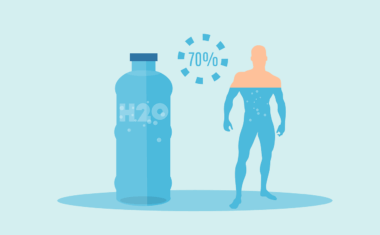
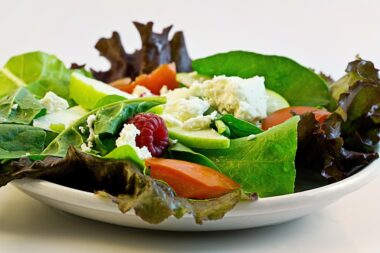
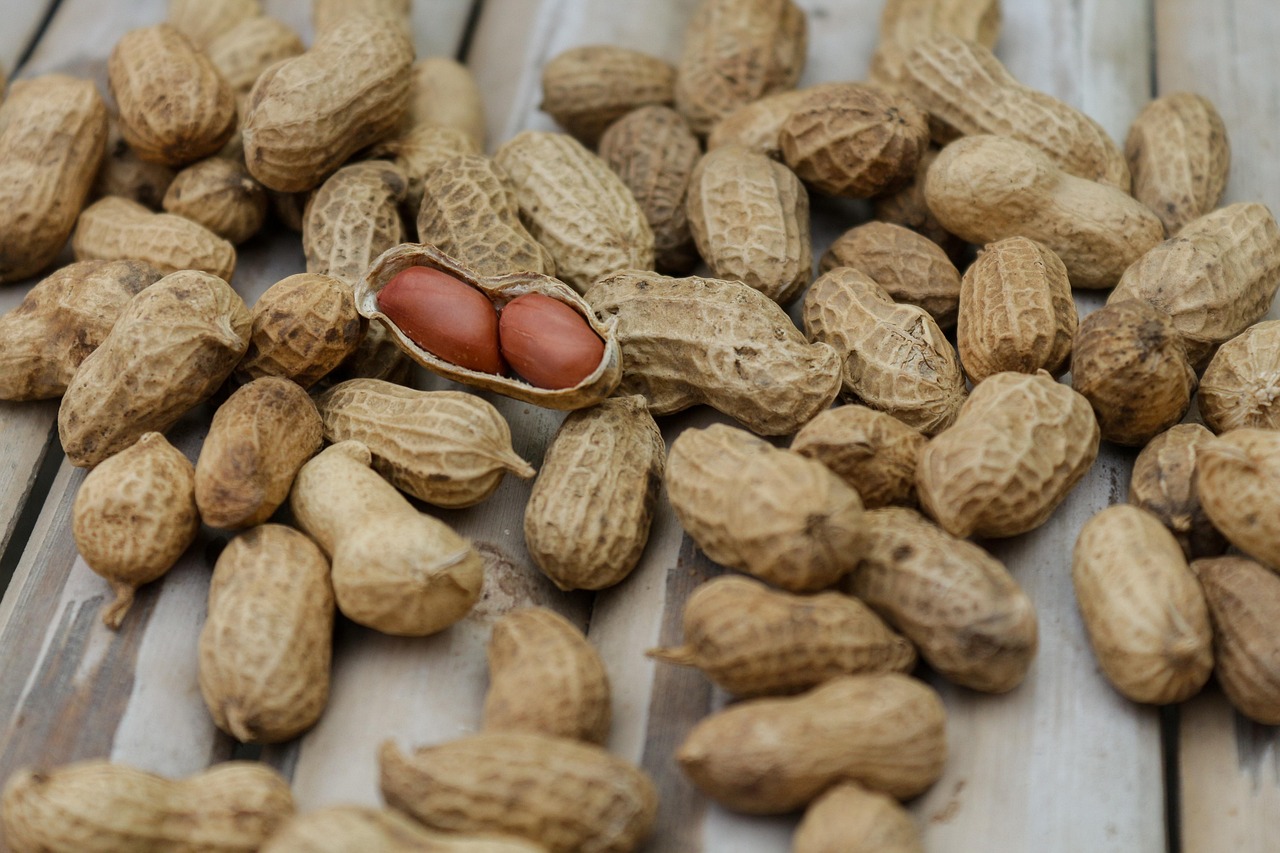
As martial artists advance in their training, understanding protein’s role in performance becomes even more significant. Integrating a variety of protein sources into the diet can keep meals exciting and nutritious. Variability in dietary choices ensures that practitioners not only receive essential amino acids but also necessary micronutrients that support muscular strength and recovery. Some ideal meals could include chicken stir-fry with vegetables and brown rice, or a quinoa salad topped with chickpeas and avocado. These meal choices not only provide protein but also carbohydrates for energy replenishment. Aside from whole foods, specific snacks like nut butter on whole-grain toast or a protein shake with fruit can facilitate recovery after intense sessions. Sticking to whole, minimally processed foods allows martial artists to fuel their bodies with micronutrients that aid in performance as well. Staying hydrated is also crucial, as fluids contribute to the overall ability to metabolize nutrients effectively, including protein. Testing different dietary strategies, including meal timing and distribution of protein, can help identify what best supports individual training requirements.
Main Takeaways on Protein in Martial Arts
In summary, protein plays a pivotal role in martial arts training by enhancing muscle recovery, supporting performance, and promoting overall health. Adequate protein intake is crucial for sustaining energy levels and facilitating growth, essential for martial artists pushing their limits regularly. Understanding how much protein is needed, based on personal training intensity and goals, allows martial artists to optimize their nutrition effectively. The diversity of available protein sources means that it can fit seamlessly into various diets, whether omnivorous or plant-based. A focus on meal composition and timing can further enhance recovery and prepare athletes for successive training sessions. Practitioners should continuously assess their dietary needs, ensuring a comprehensive approach to nutrition by considering other nutrients like carbohydrates and fats. Seeking support from nutritionists or dietitians specialized in sports nutrition can provide tailored advice, highlighting individualized requirements based on specific training regimens. Overall, prioritizing protein within a balanced diet lays the foundation for improved strength, endurance, and recovery capabilities, crucial attributes for any dedicated martial artist aiming to excel in their discipline.
Ultimately, the effective integration of protein into a martial artist’s diet can make a significant difference in performance and recovery. This nutrient is vital for building and repairing muscle tissue, integral in various martial arts disciplines. Finding the right balance of protein sources and total daily intake can enhance recovery and help martial artists reach their goals. Furthermore, meal planning that incorporates various protein-rich foods ensures athletes maintain adequate nutrition without boredom in their diet. Meal prep strategies can aid martial artists in planning their nutrition effectively, allowing consistent access to healthy options throughout busy training schedules. Creating a consistent habit of eating meals and snacks that include protein prevents deficiencies and enhances overall health. Tracking daily intake via apps or journals might assist those looking to monitor their protein consciously. The relationship between protein, training intensity, and overall recovery can become clearer through such strategies. Awareness of personal needs and appropriate nutritional choices ultimately leads to improved training outcomes, making sustained performance improvements possible for dedicated martial artists.
Concluding Thoughts on Healthy Martial Arts Nutrition
In conclusion, protein serves a critical purpose in the nutrition of martial artists, aiding in training and recovery functions. By understanding the importance of this nutrient, martial artists can make informed dietary choices that directly impact their performance. Incorporating a variety of protein sources and maintaining an appropriate intake are essential strategies. As martial artists work towards their fitness goals, a solid nutritional foundation helps optimize training outcomes and minimize injury risks. Awareness of the role of protein in muscle recovery leads to better management of training loads and enhanced overall performance. Allowing flexibility in dietary intake while emphasizing whole food sources ensures that nutrition remains enjoyable and effective. As athletes evolve in their martial arts journey, adapting their dietary patterns to individual preferences becomes key to sustained success. Future training goals should always consider nutritional needs to maximize efficiency and maintain energy throughout challenging schedules. Prioritizing a balanced, protein-rich diet ultimately supports peak performance and rapid recovery, which remains vital for long-term success.