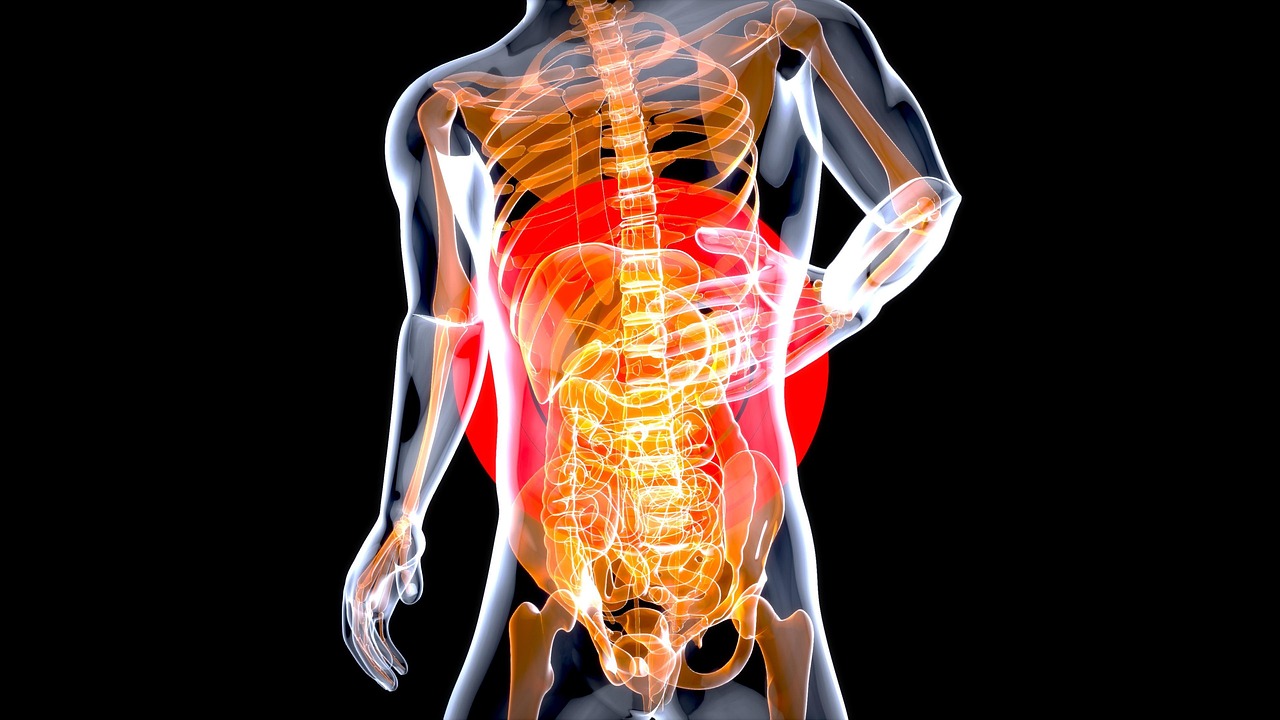

Fixing Digestive Issues That Occur During Intermittent Fasting
Intermittent fasting (IF) can lead to various digestive issues, which, if left unresolved, may discourage individuals from continuing this beneficial lifestyle. Some common problems include bloating, gas, and constipation. These symptoms often stem from dietary choices made during eating windows. To combat these issues, consider regarding the types of foods consumed. High-fiber foods such as fruits, vegetables, and whole grains are essential for gut health. Additionally, hydration plays a crucial role in digestion, so drinking sufficient water during fasting windows can alleviate constipation and support overall gut function. Lastly, listening to your body and adjusting dietary habits is vital. If certain foods trigger discomfort, it is important to eliminate them. Keeping a food journal can track symptoms associated with meals, leading to better dietary decisions. This awareness is crucial for long-term fasting success. Hence, experimenting with different food combinations during eating periods will aid in identifying what works best for your digestion. Incorporating probiotics through yogurt or fermented foods may further enhance gut flora, providing relief from any adverse digestive reactions encountered during intermittent fasting.
Another common issue faced during intermittent fasting is experiencing acid reflux or heartburn. These conditions can arise from prolonged periods without food or from eating heavy meals after fasting. To manage these symptoms effectively, gradual reintroduction of food is recommended. Begin with lighter meals such as soups or smoothies that are easier to digest. This will help your stomach gradually adjust to the intake of food after fasting. Additionally, eating smaller portions can prevent overwhelming the digestive system, reducing the risk of reflux. When it comes to food choices, avoiding spicy, acidic, or fatty foods during your eating window could provide relief from acid-related discomfort. Proper timing of meals contributes too, as consuming your last meal a few hours before lying down is essential for minimizing heartburn occurrences. If symptoms persist, consider consulting a healthcare professional, as they can recommend tailored dietary adjustments or treatments. Overall, understanding your body’s signals while practicing intermittent fasting is crucial for eliminating discomforts and ensuring a positive experience, leading to successful and sustainable fasting.
Managing Bloating and Gas
Bloating and gas can be frustrating symptoms faced by individuals practicing intermittent fasting, often resulting from sudden dietary changes. To mitigate these symptoms, it is advisable to incorporate digestive enzymes, which can be taken as supplements or found in food sources, such as pineapple and papaya. These enzymes help break down food more effectively, promoting better nutrient absorption and reducing gas formation. Additionally, mindful eating strategies, such as chewing food thoroughly and avoiding talking while eating, can significantly minimize the intake of air, which also contributes to bloating and gas. Avoiding carbonated beverages during fasting and eating windows is another recommendation, as these drinks may exacerbate these symptoms. Consuming herbal teas, such as peppermint or ginger, may aid digestion and provide relief from gas and discomfort. You might also consider keeping a food diary, tracking which foods trigger these unpleasant symptoms. Ultimately, the combination of dietary adjustments, proper food choices, and mindful eating can significantly improve digestive comfort during intermittent fasting, ensuring that the fasting experience remains positive and beneficial.
Constipation is another challenge some may encounter during intermittent fasting. A lack of regular food intake, coupled with low fiber consumption, can disrupt normal bowel movements. To combat constipation, it is important to prioritize high-fiber foods during your eating windows. Foods rich in fiber, such as beans, lentils, and whole grains, are essential. Additionally, staying hydrated is crucial, as sufficient water intake aids in softening stool, making it easier to pass. Incorporating healthy fats like avocados, nuts, and seeds offers dual benefits of promoting satiety and encouraging regular bowel movements. Regular physical activity is also beneficial for gut health; a simple daily walk can stimulate digestion. If necessary, consider the use of natural laxatives, such as prunes or flaxseeds, to support regularity without the need for harsh medications. It is important to honor your body’s natural rhythm and recognize any signs of discomfort, as this allows for prompt action and adjustments within your eating plan. Therefore, finding the right balance of foods, hydration, activity, and recognizing your personal digestive signals is key to maintaining digestive health during intermittent fasting.
Identifying Trigger Foods
During intermittent fasting, individual responses to specific foods can vary greatly. Identifying trigger foods that may exacerbate digestive discomfort is crucial for a smoother fasting experience. Keeping a food diary can be beneficial, as recording meals and any subsequent symptoms will help pinpoint problematic foods. Common culprits include highly processed foods, dairy, and gluten-containing grains, which can lead to bloating, gas, or reflux for some people. Once identified, consider eliminating these foods for a period to see if symptoms improve. Gradually reintroducing them one at a time can provide insight into how your body reacts, allowing for informed dietary choices in the future. Another approach is opting for whole, nutrient-dense foods that are easier on digestion, such as lean proteins, quinoa, and seasonal vegetables. Listening to your body and making adjustments based on these observations will enhance your intermittent fasting experience and reduce the chances of unpleasant digestive syndromes. Ultimately, knowledge is power; by becoming attuned to your body’s responses, you will be better equipped to maintain a successful fasting regimen that supports your personal health goals.
Stress can also contribute to digestive issues faced during intermittent fasting. It’s critical to recognize the mind-gut connection; high stress levels can worsen symptoms like bloating and acid reflux. Incorporating stress-reducing techniques such as mindfulness or meditation can significantly improve overall digestive health. Engaging in yoga or gentle stretching during fasting periods not only promotes relaxation but also encourages digestion. Setting aside time for relaxation and self-care during fasting days can help maintain an optimal emotional state, positively impacting your digestive health. Moreover, prioritizing sleep is crucial, as lack of sleep can elevate stress hormones and amplify digestive concerns. Aim for 7-9 hours of quality sleep each night to support your body’s healing processes. Taking breaks throughout the day to reset and recharge will help mitigate stress management. In turn, this will influence how effectively your digestive system functions during fasting. Therefore, embracing holistic approaches toward stress management, relaxation, and restorative practices can foster a healthier gut and improve your overall experience with intermittent fasting.
Progress & Adjustments
As you embark on your intermittent fasting journey, adjusting to dietary changes can take time and patience. It is essential to regularly assess and track your digestive health to ensure a positive experience. At various points, you may need to adjust your eating windows, food choices, or address any discomforts that may arise. Being flexible in your approach will allow for a customized plan that suits your body’s unique requirements. For instance, if you notice that certain foods consistently result in digestive discomfort, it may be time to explore alternatives or consult a nutritionist for tailored guidance. Your body’s response can change over time, indicating that regular evaluation of your fasting strategy is necessary. Communicating with others who practice intermittent fasting may provide additional insights or shared experiences. Finally, remember that everyone’s journey is different, and finding the most effective plan takes experimentation. Ultimately, remaining committed to making adjustments, being aware of how your body reacts, and being persistent is key in successfully navigating intermittent fasting, leading to better digestive health.
In conclusion, overcoming digestive issues during intermittent fasting requires understanding, patience, and adaptability. By paying attention to what you eat and how your body reacts, you can make necessary changes for a more comfortable fasting experience. Engaging in practices such as mindful eating, regular hydration, and incorporating high-fiber foods will not only alleviate unpleasant symptoms but also enhance your overall health. Stress management techniques, food journaling, and recognizing trigger foods contribute significantly to establishing a sustainable fasting routine. Remember, intermittent fasting is a journey and it may take time to find what works best for your body. Be open to trial and error, and don’t hesitate to reach out to professionals if needed. The objective should always be a health-focused experience that promotes well-being. As you continue on your fasting path, prioritize your comfort and digestive health, making alterations along the way as needed. Ultimately, finding the right balance entails understanding your unique digestive needs and fostering an environment that supports your well-being throughout your intermittent fasting journey.