
Dynamic Imaging Techniques in Assessing Muscle Function and Composition
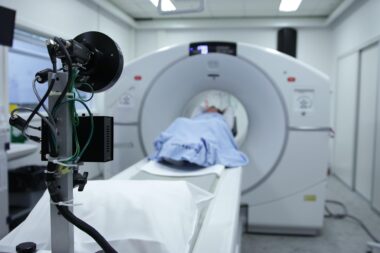
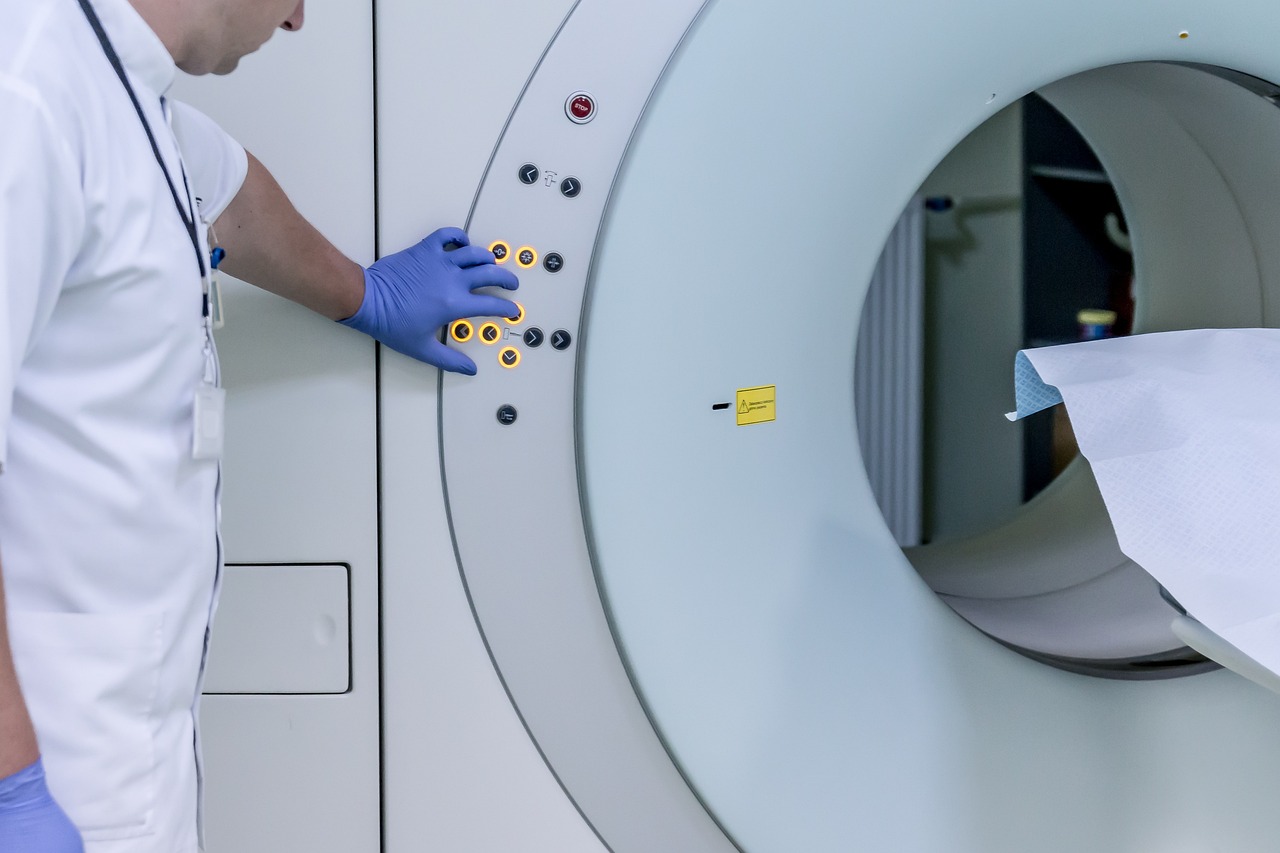
Assessing body composition has evolved tremendously with technological advances. Combining imaging techniques allows for refined analyses of muscle function and overall composition. Body composition analysis employs methods such as MRI, CT scans, and DEXA scans, each offering unique insights. MRI stands out for providing detailed soft tissue images, useful in evaluating muscle quality and distribution. On the other hand, CT scans excel in assessing visceral fat, which is crucial for understanding health risks. DEXA scans offer advantages in measuring bone density alongside body composition. By integrating these techniques, researchers can obtain a comprehensive depiction of the body’s functional and structural components. This integration can reveal how muscle tissue responds to various stimuli, including exercise and nutrition, leading to more tailored health and fitness regimens. Furthermore, using these methods in tandem enriches data, enhancing reliability and accuracy in health assessments. With such synergistic approaches, practitioners can develop more effective interventions for improving muscle health and body composition. This convergence of imaging technologies represents a significant step forward in the pursuit of understanding human health and performance, opening doors to advanced body composition analysis methodologies.
The Importance of Muscle Function Assessment
Muscle function is vital for everyday activities and overall well-being. To conduct a thorough body composition analysis, focusing on muscle functionality is essential. Several imaging techniques, when combined, enhance the understanding of muscle dynamism and overall body mechanics. Methods such as electromyography (EMG) can be utilized alongside imaging technologies. EMG measures electrical activity in muscles, providing insight into muscle activation patterns and potential dysfunctions. Coupled with imaging data, it creates a robust framework for evaluating how muscles perform under various conditions. This dual approach is vital for clinical diagnostics and sports science alike. Athletes seeking optimal performance can benefit greatly by understanding their muscle functions through this integrated perspective. It emphasizes not just how muscles look but how effectively they work. Additionally, employing several imaging techniques caters to a range of populations, including older adults, who may experience muscle degeneration. Employing this comprehensive view helps address specific health challenges, paving the way for personalized fitness initiatives. As science continues to fine-tune these methodologies, the importance of such assessments in fostering better health outcomes becomes increasingly evident. Broader implications arise in rehabilitation and physical therapy, showcasing the potential for enhanced recovery strategies.
Incorporating advanced imaging techniques into body composition analysis delivers greater empirical depth. When researchers merge data from multiple modalities, they significantly improve the robustness of their findings. Each imaging method, whether CT, MRI, or DEXA, provides a different yet complementary perspective. This multifaceted approach enables more precise assessments of fat distribution, lean mass, and bone density. For instance, MRI can show muscle degradation while DEXA quantifies body fat percentages accurately. Through synergy, the data derived from these techniques contribute to a holistic view of an individual’s health. Moreover, new algorithms enhance the analysis of these imaging modalities. Developments in software enable faster processing, enriching practitioners’ capacity for real-time assessments. In achieving accurate evaluations, health practitioners can set better, individualized health goals for their clients. Real-time feedback is instrumental in motivating clients to adhere to prescribed exercise and nutritional plans. Thus, practitioners can modify strategies based on dynamic results observed from this advanced technology. This paradigm shift in body composition assessments resonates well within clinical settings. Hence, ongoing advancements in imaging will likely further evolve evidence-based practices in fitness and rehabilitation sectors, fostering improved client outcomes across the board.
Future Directions in Body Composition Analysis
Looking ahead, the integration of artificial intelligence with imaging techniques holds transformative potential for body composition analysis. Machine learning algorithms can analyze vast amounts of imaging data, identifying patterns that may not be visually evident to clinicians. By automatically processing images from multiple modalities, AI can assist in predicting individual health outcomes based on body composition metrics. Embracing machine learning can streamline processes, thereby maximizing efficiency and accuracy. Moreover, the ease and accessibility of such technology encourage broader application in routine clinical practice. Implementing AI-driven analysis can foster early detection of health issues related to body composition, such as metabolic syndrome. Continuous monitoring powered by AI ensures that adjustments to individual health plans occur in real-time, enhancing patient engagement. Innovations are needed not only in diagnostic imaging techniques but also in treatment protocols related to muscle function and overall body weight management. Emerging technologies promise to create personalized fitness experiences, connecting users with tailored exercise regimens. As fitness and health become increasingly data-driven, the aforementioned advancements in imaging techniques and AI will play vital roles as we transition into a new era of personalized healthcare through body composition assessment.
Combining imaging technologies allows for better understanding of body composition across various demographics. These techniques empower healthcare providers to devise effective interventions tailored to individual needs. For example, seniors might struggle with age-related muscle loss. Through integrated assessments, healthcare providers can successfully identify muscle weakness, informing critical rehabilitation strategies. In the case of athletes, imaging techniques can reveal the effects of rigorous training and potential injury predispositions associated with muscle function. This knowledge is invaluable in both recovery and injury prevention strategies. For children and adolescents, those imaging insights help detect growth anomalies or unhealthy body composition trends. Health professionals can thus implement corrective measures early, impacting lifelong health trajectories positively. Additionally, combining these imaging techniques fosters interprofessional collaboration within healthcare environments, enriching discussions among specialists. Multidisciplinary teams, including dietitians, physical therapists, and physicians, leverage data obtained through body composition assessments. These discussions culminate in comprehensive care models that address the multifaceted nature of body composition and overall health. Harnessing collaborative efforts further enhances clinical efficacy while advancing the quest for optimal health solutions rooted in scientifically-backed facts.
Challenges in Implementing Advanced Imaging Techniques
Despite the promising benefits, challenges exist regarding the implementation of advanced imaging techniques for body composition analysis. Firstly, accessibility can be a significant barrier; these advanced technologies are often available in specialized facilities. Many practitioners can lack the resources to invest in expensive imaging equipment, posing limitations in urban or rural settings. Additionally, training for healthcare professionals in interpreting these complex images is essential. Without proper education, the potential insights derived from advanced imaging remain underutilized. There is also the challenge posed by ensuring patient safety and comfort during imaging procedures, especially in cases involving radiation exposure with CT scans. Adhering to safety guidelines and employing alternatives when possible is crucial to fostering trust between practitioners and patients. Moreover, interpreting the data requires multi-disciplinary expertise, necessitating collaboration among diverse professionals. Creating standardized protocols for combining findings across imaging modalities can also be complex. Without clear guidelines, discrepancies might arise, potentially compromising data integrity. As the field progresses, addressing these challenges is paramount. Incentives for institutions to invest in training and technology must be prioritized to reach the full potential of combined imaging approaches in the field of body composition analysis.
In conclusion, combining imaging techniques plays a pivotal role in the evolution of body composition analysis. By synthesizing multiple modalities, professionals gain deeper insights into muscle function and overall health. This sophisticated computational analysis delivers precise data that individuals can leverage for tailored health regimens. Furthermore, the continuous refinement of these techniques ensures accuracy, subsequently enhancing the standard of care across medical and fitness landscapes. The coalescence of imaging techniques fosters innovative diagnostics, benefiting clinical practice and athletic performance alike. As the future unfolds, the potential for integrating artificial intelligence with advanced imaging technologies promises to revolutionize how we approach body composition analysis. Personalized, data-driven health initiatives will likely become the norm rather than the exception, leading to better health outcomes. However, addressing access and training challenges is crucial to harnessing these techniques’ full potential. Stakeholders need to collaborate to cultivate an inclusive environment where knowledge regarding advanced technologies is disseminated widely. As we embrace this transformative journey, it is vital to remain committed to improving understanding and management of body composition through dynamic imaging methods, ensuring optimal health for future generations.