
Circadian Rhythm Disorders and Their Effect on Athletic Performance
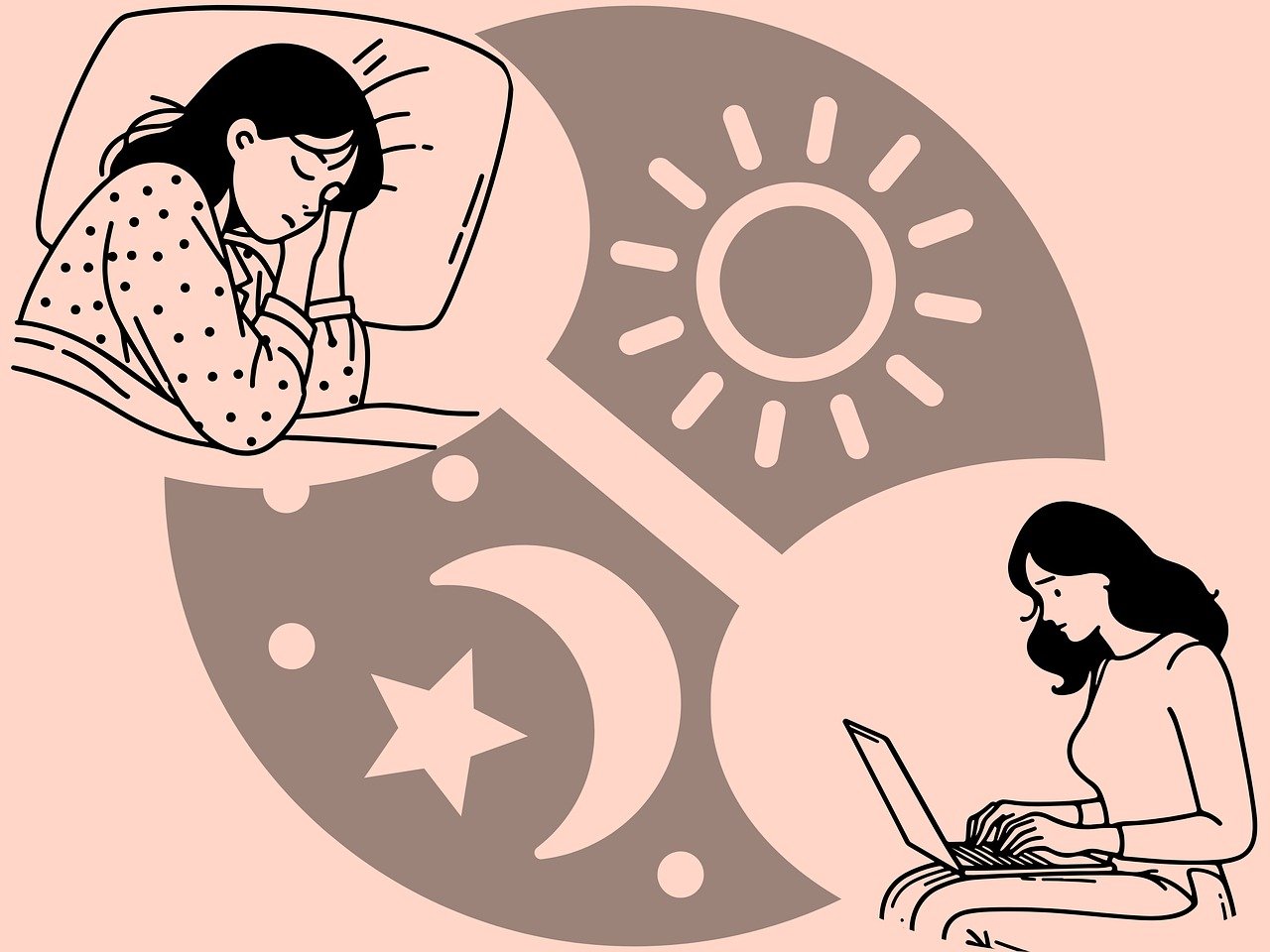
Circadian rhythms regulate numerous biological processes, including sleep, hormone release, and metabolic activity, making them crucial for athletes. Disruptions in these rhythms can lead to circadian rhythm disorders, which negatively impact sleep quality and duration. Poor sleep affects recovery, performance, and overall well-being, risking injury and long-term health issues for athletes. To understand the relationship between circadian rhythms and athletic performance, we must consider factors such as shift work, travel across time zones, and inconsistent sleep habits. Inconsistency in these areas can lead to chronic fatigue, decreased focus, and impaired decision-making during sports activities. Addressing circadian rhythm disorders requires a multi-faceted approach. Strategies may include developing a consistent sleep schedule, utilizing bright light therapy, and implementing relaxation techniques. Additionally, mindfulness and meditation can help improve sleep quality, thereby enhancing performance. Athletes can benefit from education about their body’s natural rhythms, enabling them to make healthier choices around sleep and recovery. Taking proactive steps in managing circadian rhythms ensures athletes stay at the top of their game, equipping them with the necessary tools to train, recover, and compete effectively.
The Impact of Light Exposure on Athletic Recovery
Light exposure significantly influences circadian rhythms, directly affecting athletic recovery. Artificial light, especially during the evening, can disrupt melatonin production, leading to sleep disturbances that interfere with performance. Athletes are prone to these disruptions due to training and competition schedules that often require late-night practices. Optimizing light exposure can enhance recovery rates and elevate athletic performance. For instance, using natural light during the day supports the body’s internal clock, improving alertness and mood while encouraging better sleep. Athletes should prioritize exposure to sunlight in the morning and minimize blue light exposure during the evening. There are various techniques to reduce evening light exposure, including wearing blue-light-blocking glasses and using dim lights at night. Moreover, investments in light therapy devices can help normalize sleep patterns for those struggling to adapt. Implementing these practices consistently can help athletes recover more effectively between training sessions and competitions. When athletes feel energized and rested, they can benefit from enhanced focus and motivation, leading to improved performance. In the competitive sports world, understanding the relationship between light exposure, circadian rhythms, and recovery is essential for optimal performance.
Circadian rhythm disorders can manifest in various ways, and understanding these variations is vital for athletes. Common disorders include delayed sleep phase disorder, advanced sleep phase disorder, and non-24-hour sleep-wake disorder. Delayed sleep phase disorder leads to insomnia and excessive daytime sleepiness, impacting training and performance quality. Athletes may struggle to wake up early for training sessions, leading to reduced energy and focus during competitions. On the other hand, advanced sleep phase disorder results in early sleep and wake times, creating conflicts with typical athletic schedules. Non-24-hour sleep-wake disorder mainly affects individuals who are blind, causing them to experience inconsistent sleep patterns that could hinder their performance. Identifying and categorizing these disorders allows athletes to seek appropriate treatment and support. Solutions can include cognitive behavioral therapy for insomnia, melatonin supplementation, or light therapy. Addressing the specific disorder is essential to tailor effective treatments for each individual’s needs. By implementing effective strategies, athletes can improve their sleep quality and ensure their performance remains top-notch, aligning their training, recovery, and peak action times with their natural circadian rhythms.
Nutrition and Circadian Rhythms
Nutrition plays a crucial role in regulating circadian rhythms, significantly impacting athletic performance and recovery. A well-timed diet can help synchronize the body’s internal clock, optimizing energy levels and boosting metabolic processes. Understanding the timing of nutrient intake is essential for athletes to enhance performance and recovery. Consuming carbohydrates and proteins at strategic times, such as post-workout, aids in muscle repair and replenishing glycogen stores. Additionally, meal timing should correspond to the body’s natural rhythms. Breakfast should be nutrient-dense, providing key energy sources for training, while lighter dinners allow the body to prepare for sleep. Incorporating whole foods rich in vitamins and antioxidants can also support overall health. Athletes should consider mini-meals or snacks throughout the day to maintain energy and prevent large, heavy meals that can disrupt sleep. Staying well-hydrated is equally important, as dehydration can lead to fatigue and diminished focus. By aligning nutrition with circadian rhythms, athletes can maximize their potential and improve physical performance. Ultimately, nutrition’s impact on sleep and recovery is essential for sustained athletic success.
Traveling across time zones presents unique challenges for athletes, particularly concerning circadian rhythm disorders. Rapid travel can disrupt circadian rhythms, resulting in jet lag, which negatively impacts athletic performance. Athletes may experience fatigue, decreased cognitive function, and impaired reaction times during competitions following long-haul flights. Adjusting to new time zones requires careful planning and strategies to minimize these effects. Athletes can gradually shift their sleep schedules a few days before travel to help their bodies adapt to the target time zone. Exposure to natural light upon arrival can also signal the body to adjust, promoting a smooth transition. Staying hydrated during travel is crucial for mitigating fatigue. Consuming nutrient-rich snacks instead of relying on heavy airplane meals can enhance overall well-being. Some athletes may benefit from using melatonin supplements to help regulate sleep patterns more quickly. Additionally, maintaining a consistent routine as much as possible during travel ensures that the body can adapt more effectively. By addressing the challenges associated with time zone transitions, athletes can optimize their performance and minimize disruptions to their competitive readiness.
The Psychological Aspects of Circadian Rhythm Disorders
The psychological impact of circadian rhythm disorders on athletes should not be underestimated. Sleep disturbances can lead to increased anxiety, depression, and decreased motivation, affecting performance levels. When athletes face difficulties with sleep, their mental resilience can be compromised, leading to adverse consequences on training and competition outcomes. Mental health often intersects with physical performance; impaired focus and attentional control can stem from poor sleep quality. Implementing stress-reduction techniques can improve sleep and recovery, thereby enhancing performance. Techniques such as mindfulness meditation, yoga, and deep-breathing exercises can help mitigate negative psychological effects. Additionally, fostering a supportive team environment encourages dialogue about mental health and sleep challenges, normalizing these discussions within the sports community. Professional support from psychologists or sleep specialists can also provide tailored strategies to cope with circadian rhythm disorders. When athletes prioritize their mental well-being and address psychological barriers, they can cultivate better focus and motivation in their training. Ultimately, recognizing the complex interplay between sleep disorders and mental health empowers athletes to achieve their goals more effectively.
In summary, circadian rhythm disorders pose significant challenges for athletes, affecting sleep, recovery, and overall performance. A comprehensive understanding of these disorders is essential for developing effective strategies to mitigate their impact. Athletes should be educated about the implications of impaired circadian rhythms on their performance. Through lifestyle modifications such as optimizing sleep schedules, light exposure adjustments, and nutrition timing, athletes can enhance their recovery process. Moreover, incorporating stress reduction techniques and fostering mental wellness is vital for successful performance and health. With the integration of these strategies, athletes can adapt their training and recovery to align with their natural circadian rhythms, thus maximizing their potential in their respective sports. Ultimately, recognizing the importance of sleep and circadian rhythms provides athletes with the tools to navigate the challenges posed by modern athletic demands, ensuring that they can perform at their best. Further research into the intricate relationship between sleep, circadian rhythms, and athletic performance will continue to shed light on how athletes can optimize their routines for the finest results in their respective areas.