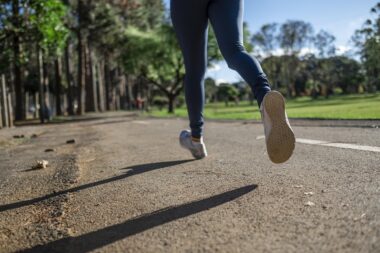

The Role of Plyometrics in Speed Training for Joggers
Plyometrics, a dynamic form of exercise, plays an essential role in speed training specifically for joggers. This training approach emphasizes quick and explosive movements, targeting muscle fibers critical for sprinting. By incorporating plyometric exercises, joggers can enhance their muscle power, leading to improved overall performance. Such workouts augment the ability to run faster by developing strength and speed simultaneously. Plyometrics also contribute to better coordination and balance, essential factors in enhancing running efficiency. Further, they stimulate the central nervous system, preparing it for more rigorous exercise. Among the most effective plyometric exercises are box jumps, jump squats, and bounding drills. Engaging in these movements boosts explosive strength, translating to improved sprinting speed. Additionally, practicing these workouts can aid in injury prevention through the enhancement of joint stability and muscle resilience. While integrating plyometrics into a training routine, it is paramount to ensure proper technique to maximize benefits while minimizing injury risks. Joggers should focus on starting slowly, gradually increasing intensity and volume over time to adapt safely.
One significant benefit of plyometric training is the increased efficiency of the neuromuscular system. This efficiency enables the body to react faster during a run, allowing for quicker strides and a more sustainable pace. Plyometrics enhances the stretch-shortening cycle, which is the muscle’s ability to stretch and then contract rapidly. This cycle is crucial for runners, enabling them to cover greater distances in less time by harnessing stored elastic energy. Furthermore, improved neuromuscular efficiency contributes to faster recovery times, letting runners train more frequently. Balance and agility play vital roles in running performance, especially in varied terrains. Plyometric drills refine these skills by challenging a jogger’s stability while maintaining speed. Joggers who engage in plyometrics can also observe improvements in their overall athletic capability. Enhanced leg strength will translate to better hill climbing and overcoming obstacles on trails, thus broadening a runner’s skillset. Essential for time-efficient training, plyometrics can be incorporated into a workout regimen without extensive equipment. Utilizing basic items such as benches or sturdy boxes makes it effective within various environments, including home workouts or parks.
Implementing Plyometrics into Routines
Incorporating plyometrics into a jogging program requires a structured approach to maximize effectiveness. A well-rounded routine should balance plyometric work with traditional endurance training to create a holistic fitness plan. Zoning in on specific days dedicated to plyometric exercises will help maintain energy levels, allowing for optimal performance. For instance, many joggers opt to include plyometrics one to two times a week. Sessions could consist of exercises lasting between 20 to 30 minutes, often including a warm-up to prepare muscles adequately. Each session should feature various exercises, focusing on explosive movements such as lateral jumps, tuck jumps, or depth jumps. It is beneficial to warm up and cool down properly to prepare muscles and prevent injuries. Joggers might also integrate plyometric sessions into their regular speed workouts to enhance their efficiency for those critical moments. Such techniques, when blended with interval training, can be game-changers. By varying your distances and efforts, you can better apply the explosive muscle gains from plyometrics during races or sessions. This approach also maintains interest and reduces training boredom, encouraging consistent improvements.
Consistency is key when it comes to realizing the benefits of plyometrics in speed training for joggers. It is imperative to track progress, ensuring each workout builds on the last to foster growth. Monitoring achievements allows for small adjustments tailored to individual performance. Time-oriented aspect could include incorporating time trials and intervals, which measure improvements directly. Moreover, establishing clear goals for distance or speed can maintain motivation through this training phase. Feedback may also come from running communities or training partners, offering beneficial insights. Receiving diverse perspectives can help joggers pinpoint specific areas needing improvement. Additionally, seeking professional coaching can elevate the benefits of plyometric training through personalized guidance. Coaches can assess form and technique, ensuring that plyometric movements are executed correctly for maximum advantage. There are myriad resources available, including online tutorials and fitness classes focusing on plyometric training for joggers. As you venture into integrating these exercises, personalizing your regimen will cultivate a tailored strategy that aligns with your overall fitness objectives. Ultimately, adaptation and consistency will lead to marked improvements in speed and performance, making plyometrics an invaluable addition.
Safety Considerations and Precautions
While plyometric exercises can provide numerous benefits for joggers aiming to increase speed, safety should always be a priority. Exercises must be performed on suitable surfaces, minimizing impact, particularly for beginners. Ideal surfaces include grass, turf, or athletic mats versus hard concrete. Joggers should also ensure proper footwear is worn, giving support and cushioning during explosive movements. Thorough warm-ups focusing on dynamic stretches will prepare the body, reducing injury risks. Plyometrics place significant stress on the joints, especially the knees and ankles, therefore recognizing personal limits is essential. Progress should occur incrementally, and attempting advanced plyometric exercises without prior conditioning can lead to injuries. Listening to one’s body is crucial; if any pain persists, individuals should halt the exercise and reassess their approach. Incorporating rest days between intense plyometric sessions will facilitate recovery, preventing overtraining. Females and males may have differing responses to plyometric training, so it’s vital to appreciate these distinctions. Consulting with healthcare or fitness professionals before starting such workouts can ensure that the chosen approaches align with individual fitness levels and goals, ensuring an effective training experience.
In conclusion, plyometrics holds a transformative role in speed training specifically designed for joggers. By engaging in these explosive exercises, joggers can significantly enhance their running efficiency, power, and overall performance. Combining strength with speed most effectively encapsulates the purpose of plyometric training, making it indispensable for serious enthusiasts. Variety follows suit, as the multitude of exercises available means that there’s something for everyone regardless of their skill level. Moreover, this modality aids in increasing explosiveness and promotes lower body resilience. When incorporated correctly, one can find unique and thrilling ways to boost workout intensity and achieve speed goals effortlessly. Pioneering a newfound awareness of one’s physical capability can be a confidence booster. Transformational benefits extend beyond speed alone, fostering greater athleticism and general fitness. Ultimately, the balanced addition of plyometrics into a training regimen can lead to new personal records and a rewarding running experience. Through patience and persistence, joggers willing to embrace plyometric workouts will surely notice a remarkable difference in their sprinting capabilities. Therefore, consistency, safety, and a tailored approach remain essential for realizing plyometric benefits.
As joggers explore plyometric training, a wealth of resources can provide essential information on techniques and variations. Various online platforms can host instructional videos and guide materials on appropriate exercises, ensuring individuals understand execution principles effectively. Fitness apps can also assist in structuring workout plans, offering reminders and monitoring progress over time. Engaging with social media platforms can connect joggers with experienced enthusiasts to share tips and motivate one another. Participating in forums can expand knowledge regarding plyometric exercises, providing tips and experiences for others to learn from. Educational workshops often feature industry professionals offering exciting insights into plyometric training tailored for runners. Such events can dispel myths and reinforce proper methodology for safe training. Joining local clubs or fitness groups can cultivate a community atmosphere that encourages commitment. Engaging in group workouts or challenges will help maintain motivation levels high. Continuous learning will ensure that joggers remain informed about emerging trends in speed training. Ultimately, the collaborative approach supports individual growth and promotes advancements in speed training performance through memorable experiences with like-minded individuals.
Conclusion and Future Implications
Overall, plyometrics must be embraced to elevate speed training, paving the future for joggers seeking to enhance performance. Ongoing research continues revealing insights into developing training methods, emphasizing plyometric practices’ positive impact on running. This exploration encourages existing runners to adapt and innovate their routines actively. There is also a growing understanding that efficiency in running can be multifaceted, incorporating strength, flexibility, and speed as interconnected components. The synthesis of these elements will lead to well-rounded athletes capable of excelling in future challenges. Fitness professionals must prioritize educating joggers about these methodologies to achieve comprehensive training. As technology continues to grow, the integration of wearables and fitness trackers may further enhance understanding and management of plyometric training. These advancements may lead to tailored strategies promoting peak performance without compromising joint health. The potential for customized plyometric plans will transform approaches for athletic improvement. As the fitness industry evolves, a focus on plyometrics highlights the critical nature of incorporating various techniques into jogging routines. Overall, fostering a culture that encourages innovation can significantly boost running communities, cultivating a new generation of highly competent runners.