
Are Snacks Sabotaging Your Diet? The Truth Revealed
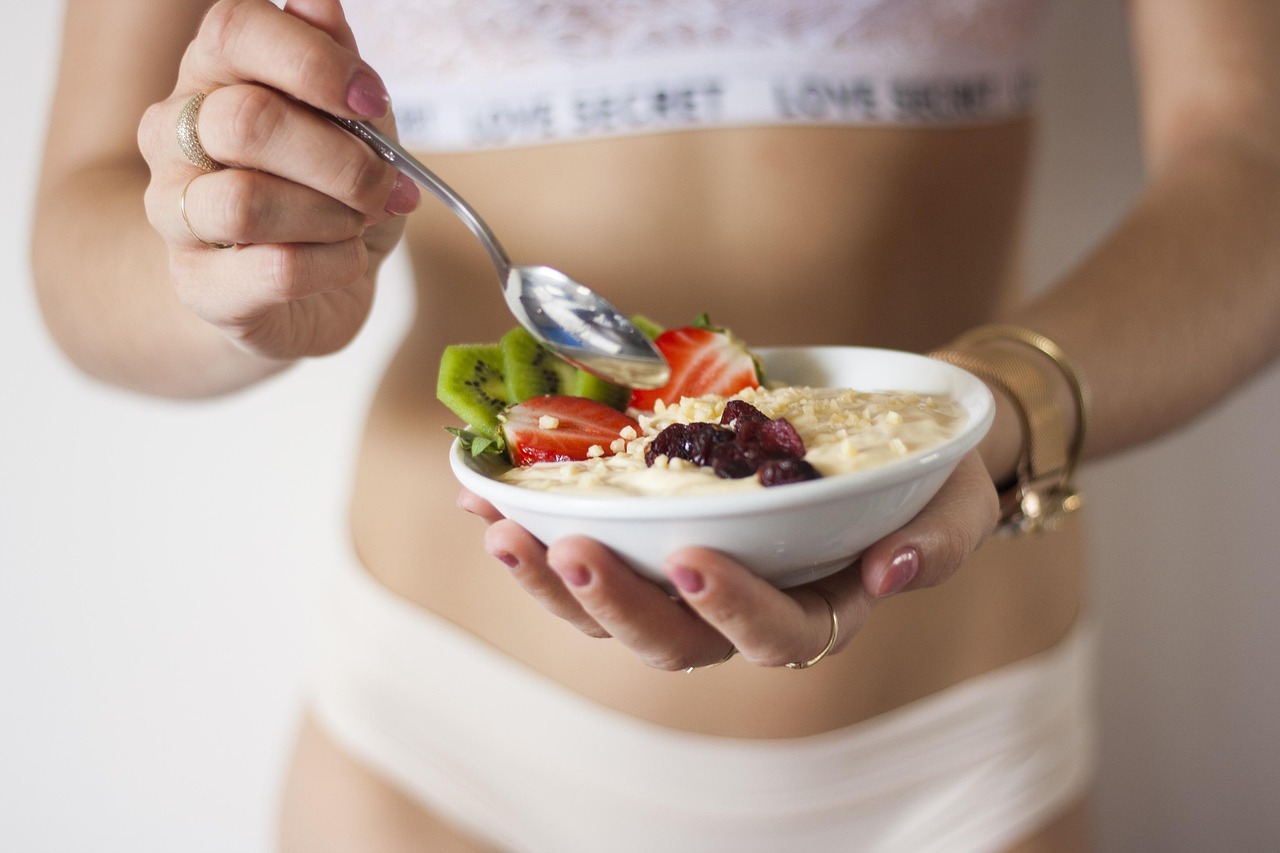
In the realm of nutrition, many commonly held beliefs can be misleading. One prevalent myth is the idea that frequent snacking leads to weight gain. However, the truth is that snacks can support healthy eating habits. The key lies in making the right food choices when snacking. Instead of reaching for chips or sugary treats, opt for nutritious alternatives such as fruits, nuts, or yogurt. These options can help curb hunger and provide essential nutrients, ultimately contributing to your overall diet. Portion control is also vital; the way you consume snacks can influence their impact on your health. Consuming smaller portions more frequently can even stabilize energy levels throughout the day. This, in turn, may prevent overeating during meals. Therefore, it is crucial to reconsider this myth and focus on conscious, healthy snacking. Experts suggest that snacks, when chosen wisely, can indeed complement your diet rather than sabotage it. Educating yourself about healthy snack options can be a game changer and can shift your perception of how snacks fit into your nutrition plan, potentially benefiting your fitness goals significantly.
Another common misconception is that eating more frequently increases metabolism, thus aiding in weight loss. While it’s true that the thermic effect of food can temporarily boost metabolism, the overall impact of eating often is not straightforward. Research indicates that meal timing and composition are more critical than frequency. Instead of constantly eating, focusing on balanced meals rich in proteins, healthy fats, and fiber might be more beneficial. It is essential to observe that snacking might not prevent hunger effectively for everyone. For some individuals, frequent eating may lead to increased total caloric intake, countering weight loss efforts. Furthermore, snacks high in added sugars or refined carbs may contribute to unhealthy cravings. To promote healthier eating habits, shift your focus toward the quality of your food rather than the quantity of eating occasions. Assessing your personal hunger cues can help distinguish between true hunger and mindless eating. Incorporating mindful eating practices can ultimately lead to better dietary choices, empowering you to build a healthier lifestyle that aligns with your goals while perhaps debunking this frequent myth about eating frequency.
Understanding the Role of Snacks in Diets
Snacks can serve as beneficial allies in maintaining balanced nutrition, particularly when chosen with care. The misconception that all snacks lead to unhealthy outcomes fuels confusion among dieters. Snacks rich in nutrients, such as fruits, vegetables, and whole grains, can support energy levels and provide essential vitamins and minerals. When included in a diet, they have the potential to bridge gaps between meals, ensuring your body receives adequate fuel. This is especially helpful for those with busy lifestyles who might otherwise skip meals. Moreover, well-planned snacks may help regulate blood sugar levels, minimizing unwanted spikes and crashes that can affect your mood and energy. The psychological component of snacking cannot be overlooked, as it offers comfort and enjoyment. This emotional relationship with food highlights the significance of incorporating healthy snacks without guilt. When approached correctly, snacks become a positive aspect of your dietary habits, rather than a hurdle. Embracing the variety that healthy snacking offers fosters a more enjoyable and sustainable way of eating, aiding in achieving long-term dietary success without feeling deprived.
Reassessing how we view snacks can greatly impact our relationship with food. Instead of thinking of snacks as detrimental, consider them opportunities to nourish your body throughout the day. Engaging in pre-planning, where you set aside time to prepare snacks, can make a significant difference. This proactive approach can help avoid impulsive junk food purchases during hunger pangs. Creating a snack basket filled with wholesome options can help in maintaining healthy habits. Including items like mixed nuts or dried fruits ensures convenient access to nutrients. Additionally, portion control ideas such as pre-portioning snacks into small containers can help regulate intake. It’s also important to embrace flavors and textures that satisfy your cravings; combining different snacks can keep boredom at bay. Experimenting with homemade alternatives for your favorite sweets provides a fun and fulfilling way to snack healthily. This makes it easier to stay committed to dietary goals while enjoying what you eat. By reshaping our snack perceptions, it’s possible to create a balanced approach to nutrition that feels satisfying and beneficial.
Snacking Strategies for Success
Implementing smart snacking strategies can amplify your dietary success while dispelling common nutrition myths. First, always prioritize having healthy snacks readily available; this diminishes the temptation of unhealthy options. It’s wise to analyze your daily routine and identify the times when snacking is most likely to occur, allowing you to prepare accordingly. For example, planning nutritious snacks before heading out can eliminate uncertainty and promote mindful eating. Incorporating a variety of snacks will keep things interesting, making it less likely to fall into unhealthy habits. Focusing on portion control is also essential; measuring out snack servings can minimize overconsumption without depriving yourself. This strategy allows you to savor your chosen snacks meaningfully, promoting a positive relationship with food. Furthermore, focusing on snacks that are rich in fiber and protein can help sustain energy longer and ward off cravings. Healthy snacking becomes particularly beneficial after workouts, providing the necessary nutrients to aid recovery. Overall, these strategies can promote a healthier approach to snacking and reshape how you view your diet. Gradually, such methods can shift the perspective of snacks from guilt-inducing to empowering components of a balanced lifestyle.
The impact of snacking on one’s health varies greatly among individuals, which emphasizes the need for personalized dietary approaches. It’s essential to consider not only what foods are consumed but also to reflect on the context of individual lifestyle choices. Many people underestimate the power of their own unique nutritional requirements and how they interact with their snacking habits. Personal preferences, energy needs, activity levels, and metabolic rates should all guide snack choices. For example, athletes may benefit from more frequent, protein-packed snacks compared to a more sedentary individual who might require fewer snack breaks. The variation in digestive health can also determine how often individuals require nourishment throughout the day. Keeping a food diary could enhance awareness of your body’s signals, offering insights on snack timing and choices. Attuning your snacking to your lifestyle can, in effect, optimize health benefits. This individualized approach to snacking promotes self-compassion and understanding of one’s body, dismantling the blanket assumptions surrounding frequency and eating. Ultimately, personalizing snacking habits fosters healthy living that accommodates each unique dietary journey.
Moving Forward with Healthy Snacking
Moving beyond myths surrounding snacks enables a more empowered perspective on nutrition. A healthy diet involves embracing a variety of foods and respecting individual choices. Recognizing that not all snacks are detrimental can create balance in your eating habits. Educating oneself remains crucial in developing informed snacking practices. Engage in research about wholesome snack options so you can make educated decisions that align with your health goals. Implementing a balanced approach, combining healthy snacks with regular meals contributes to overall weight management and nutritional fulfillment. Establishing routines around meal prep and snacking can further enhance your relationship with food, diminishing guilt and fostering enjoyment. Setting clear intentions for why you’re choosing particular snacks can assist in remaining focused on your health journey. Additionally, sharing experiences with friends or family regarding snacking gives a sense of community and support. This openness invites collective learning about the best snacking strategies for a healthier lifestyle. By shifting the narrative of snacking to one of nourishment rather than guilt, you empower yourself and others to embrace healthier eating habits moving forward without frustration or restraint.
In conclusion, are snacks truly sabotaging your diet? The evidence suggests a nuanced perspective. Rather than shunning them entirely, a balanced view reveals that snacks hold the potential to complement your nutrition plan skillfully. The essential focus resides upon the quality of snacks and how intentionally one incorporates them into their daily routine. By understanding your body’s needs and making healthier choices, snacks can effectively enhance your overall dietary experience. Discarding common myths and educating ourselves creates a healthier relationship with food and empowers long-lasting transformations. Remember, it’s not solely about frequency — it’s about choosing nutritious options that genuinely satisfy hunger and nourish your body. In pursuing healthy living, snacks can play a beneficial role rather than being seen as obstacles. Ultimately, advocating for a mindful approach to snacking can foster sustainable dietary behavior, guiding individuals toward heightened health and wellness. The journey to better nutrition is personal; it involves navigating choices that resonate with your lifestyle. Embrace the possibilities offered by healthy snacking, choose wisely, and savor the benefits of this misunderstood aspect of your diet.