
Wearable Devices That Help Track Stress Levels During Exercise
In the modern era, technology plays a crucial role in improving mental health thanks to innovative wearable devices. These gadgets track stress levels effectively during exercise, providing essential data to users. Monitoring stress while exercising helps individuals understand their emotional state. This understanding can lead to better decision-making regarding mental health strategies, promoting a more focused and consistent routine. Major brands have invested significantly in wearable technology, creating products with advanced sensors designed to monitor heart rate, sweat levels, and skin temperature. These parameters serve as important indicators of stress and mental well-being. Furthermore, integrating this data with fitness apps allows users to receive tailored feedback on their overall stress levels. Many wearables also come equipped with guided breathing exercises and mindfulness activities, helping users to further mitigate their stress. Continuous tracking can enhance awareness, fostering a proactive approach to stress management. These devices not only help during workouts but also encourage healthier lifestyle choices which can lead to long-term improvements in mental health and emotional resilience. Embracing such technology can be a game-changer in managing mental health through fitness.
Understanding how wearable devices measure stress levels is essential for maximizing their benefits. Most devices utilize biometric sensors that focus on heart rate variability (HRV), skin conductance, and breathing patterns. HRV provides insights into the autonomic nervous system’s functioning, which is directly linked to stress responses. A lower HRV often indicates higher stress levels, while a higher HRV points to better stress coping mechanisms. Wearables, therefore, can track fluctuations throughout an exercise routine, allowing users to identify when stress peaks. Furthermore, skin conductance sensors measure how much moisture is on the skin, with increased sweating often correlating to discomfort or anxiety during physical activities. By analyzing these metrics, wearables enable users to adapt their workouts according to their mental states. Many brands, including Fitbit and Apple, have incorporated this technology into their wearables, providing real-time alerts during workouts. These alerts can prompt a user to slow down, breathe deeply, or take breaks as needed. Such real-time data empowers individuals to manage their exercise intensity in relation to their stress levels, promoting a healthier approach to physical fitness and mental wellness.
Popular Wearable Devices for Stress Tracking
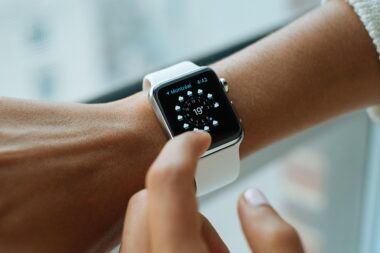
Several popular wearable devices are available on the market, designed specifically for tracking stress during workouts. The Fitbit Charge 5 stands out with its advanced heart rate monitoring features, providing stress scores that help users gauge their mental state. Another flagship product is the Apple Watch Series 7, which offers comprehensive health tracking with built-in mindfulness apps. These apps guide users through breathing exercises aimed at reducing stress. The Garmin Venu 2 integrates stress tracking with exercise mode, offering a seamless experience for users looking to balance fitness and mental health. Each of these devices utilizes sensors and algorithms to provide insightful data tailored to user preferences. These wearables not only monitor physical activity but also make mental wellness a priority. The integration of third-party apps such as Headspace or Calm into these wearables enhances their capabilities, allowing users to engage in stress-relief practices like meditation. This creates an all-in-one platform for maintaining both physical and mental health. Investing in such technology can lead to an enhanced workout experience and significantly improve users’ mental resilience over time.
Another notable advancement is the use of mobile applications that pair with wearables to provide deeper insights into stress levels. Many fitness applications can analyze the data collected from wearables, converting it into actionable insights, thus enhancing users’ understanding of their mental health. For instance, apps like Wellness Coach or Stress Management offer personalized recommendations based on the collected metrics. After monitoring stress levels and bodily responses, these applications suggest specific breathing exercises, calming techniques, or rest days as applicable. This combination of wearables and apps creates a holistic approach to managing stress and integrating fitness into daily life. Users can set goals and track their progress over time, which not only motivates but creates accountability in maintaining mental wellness. With the capabilities of artificial intelligence, these applications continuously learn from user behaviors and can become increasingly accurate in their insights. Being empowered with knowledge is empowering, offering users a chance to take charge of their mental health while exercising. Such advancements position technology as an indispensable ally in the fitness journey, catering not just to the body but to the mind as well.
Benefits of Using Wearables for Mental Wellness
Wearable devices provide numerous benefits when it comes to promoting mental wellness, especially during exercise. One key advantage is the ability to provide immediate feedback. This feedback can assist users in making informed decisions while exercising, adjusting their routines based on their stress levels. Moreover, these devices encourage greater awareness of one’s mental state. Increased awareness often leads to more focused practices surrounding mental health management. Regular use of wearables fosters the habit of self-reflection, where users can gauge their emotional responses to various workouts and refine their strategies accordingly. These constant reminders promote consistency in mental health practices, which is crucial for long-term wellness. Additionally, tracking progress over time can be immensely rewarding, as users can visually see the links between their physical activity and improvements in stress management. Ultimately, this leads to a more fulfilling and balanced lifestyle. By cultivating a harmonious relationship between body and mind, wearables create a supportive environment for individuals on their wellness journey. Such transformation reinforces the importance of integrating fitness and mental health, leading to a comprehensive approach to overall well-being.
Research shows that exercise positively affects mental health, making wearables a valuable tool in this regard. When users engage in physical activity, their bodies release endorphins, which are natural mood lifters. By monitoring stress levels throughout these activities, wearables help users stay within optimum stress thresholds. Staying within these limits can enhance overall productivity during workouts while optimizing emotional responses. Many individuals experience overwhelming stress from both workout intensity and life pressures; hence, tools that facilitate better management are crucial. By understanding physical limits and mental responses, users become more attuned to what triggers stress. This awareness aids in selecting suitable exercise routines tailored to personal mental health needs. Furthermore, wearables foster community engagement by offering features that allow users to connect with friends or join fitness groups. Access to varied perspectives enhances motivation and provides a support system crucial for consistent wellness efforts. Engaging with a community provides social interaction, which is invaluable for mental health. Such integrations in wearables fortify the connection between the mental and physical aspects of health, thus promoting a comprehensive approach for users.
The Future of Wearable Technology in Mental Health
Looking ahead, the future of wearable technology in mental health appears promising. Continuous advancements in sensor technology and artificial intelligence pave the way for future iterations of wearables designed to monitor stress levels even more accurately. The emergence of more sophisticated capabilities, including predictive analytics, will likely transform the user experience. For instance, wearables might evolve to predict stress episodes before they manifest based on subtle physiological changes. Integrating such features can lead to pre-emptive measures, allowing users to mitigate stress proactively. Additionally, personalization will remain a key trend, with wearables analyzing unique data for tailored recommendations. As mental health awareness continues to rise, the demand for technology to support emotional well-being will also increase. More companies will likely invest in research and development focused on this niche, promising a steady stream of innovative devices in the market. Furthermore, collaboration with mental health professionals will enhance credibility and effectiveness, ensuring that users receive the best support possible. The synergy of fitness and mental health through wearable technology can substantially impact users’ overall experience in managing stress and achieving wellness.
In conclusion, wearable devices play a crucial role in tracking stress levels during exercise, paving the way for improved mental health management. They facilitate a better understanding of how physical activity relates to mental wellness, allowing for tailor-made experiences. By making informed choices based on real-time data, users can effectively practice stress management strategies during workouts. With numerous options available on the market, individuals should consider the specifics of each wearable, focusing on features that meet their unique needs. The integration of wearables with mobile applications enhances their functionalities, creating a comprehensive health toolkit. The benefits of utilizing these devices extend beyond physical fitness, significantly impacting emotional well-being. Research emphasizes the importance of a balanced approach to mental health, highlighting the role of exercise in reducing stress. Continuous innovations in technology promise an exciting future for wearable devices in mental health support. With ongoing development, these devices can evolve to offer personalized, predictive insights, ultimately becoming vital assets in everyday mental wellness journeys. As individuals continue to embrace technology in pursuit of better health, the synergy between fitness and mental wellness will likely flourish, leading to lasting positive changes.